Science
Tesla, Edison and the inventors who wired the world
AC v DC, Niagara, the light bulb and Tesla’s lightning: the inventors who wired modern life.
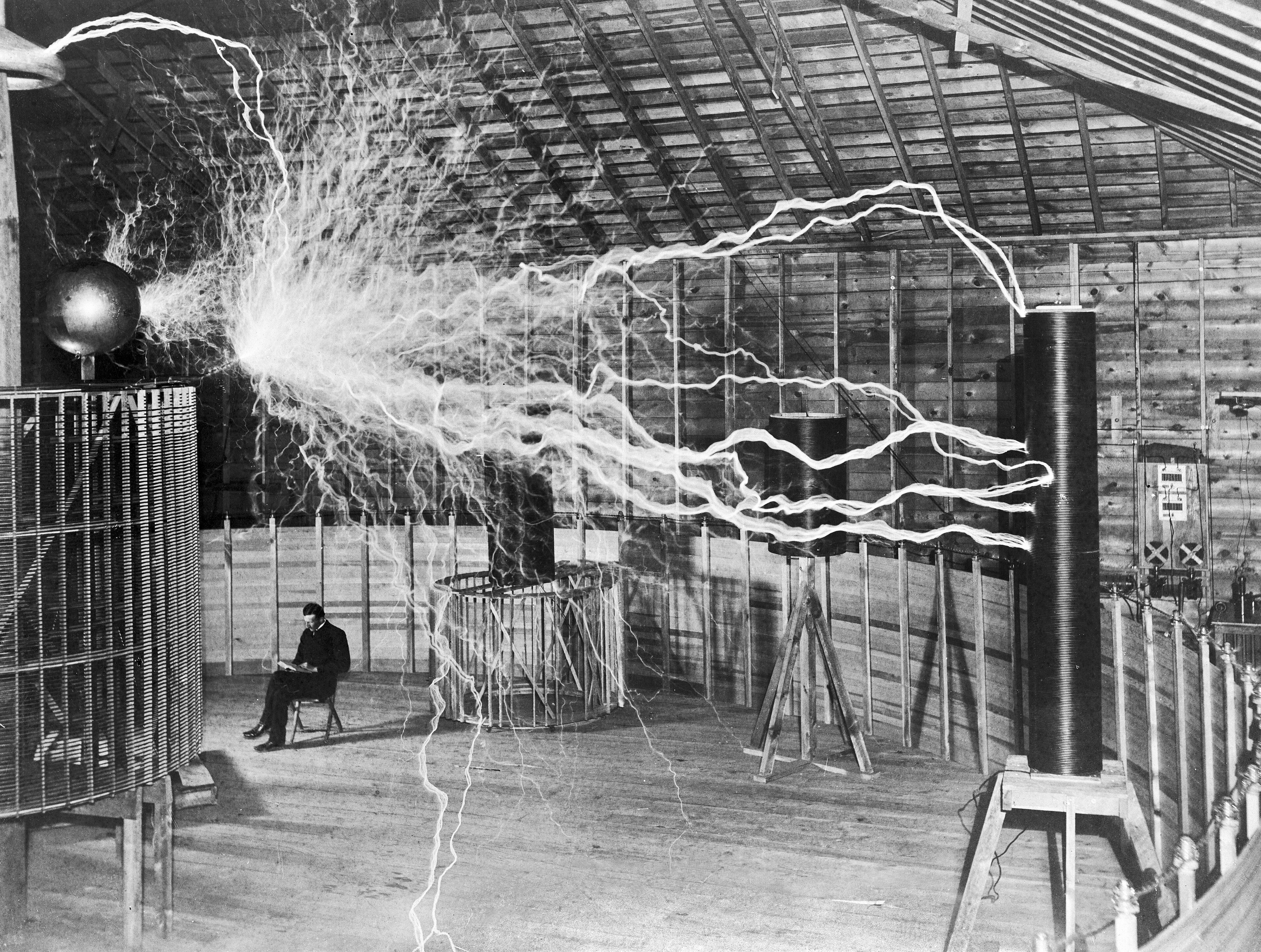
Photo Credit
Image courtesy of © Dickenson V. Alley, 1899 (public domain), restored by Lošmi, via Wikimedia CommonsIn the 1880s two men in one city disagreed about electricity, and the argument decided how every socket on Earth would work. Thomas Edison built the system and the fortune; Nikola Tesla supplied the idea that won, then died in a hotel room feeding pigeons. Here is the war of the currents, why it ended as it did, and the dreamers from Faraday to Lovelace who made it possible.
Two men, one city, one current
In June 1884 a tall young engineer from Smiljan, a village on the Austrian Empire’s military frontier and now in Croatia, arrived in New York to work for the most famous inventor alive. Nikola Tesla lasted months at the Edison Machine Works. His diary records the parting in a single line scrawled across the pages for the turn of 1885: “Good By to the Edison Machine Works”. Rarely has a resignation note carried so much voltage.
Edison: the man who invented invention
Thomas Alva Edison, born in Milan, Ohio, in 1847, had little schooling and was deaf in one ear and barely hearing in the other, which did not stop him inventing the phonograph in 1877 and, by his own account, testing it with “Mary Had a Little Lamb”. His greatest invention may have been the method: Menlo Park in New Jersey is considered the first industrial research laboratory, a factory whose product was ideas. His name is on 1,093 US patents.
Edison did not invent electric light; arc lamps already glared over city streets. He chased a lamp gentle and long-lived enough for a drawing room, then built everything behind it: dynamos, cables, meters and fuses. His team found that carbonised bamboo filaments could last over 1,200 hours. On 4 September 1882 his Pearl Street Station in Manhattan switched on, serving 82 customers and 400 lamps.
The flaw in the copper
Pearl Street ran on direct current at 110 volts, and that was its weakness. Low-voltage DC bleeds power in the wires, so Edison’s stations had to sit in the middle of town and could reach customers only within about a mile. A city lit by Edison would have needed a power station in every neighbourhood, humming away like a parish church. Alternating current had the transformer, which steps voltage up for the journey and down again at the door.
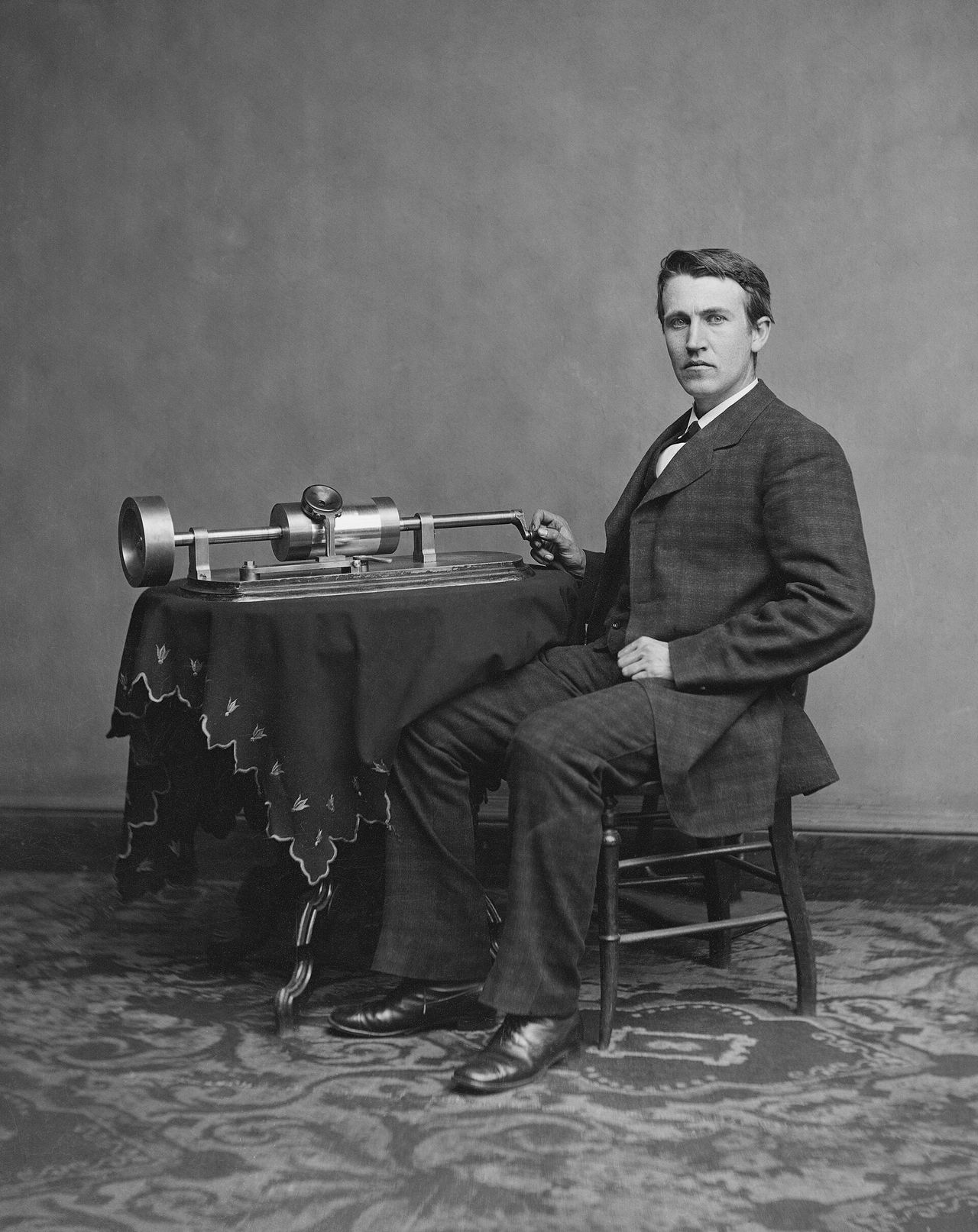
Photo Credit
Image courtesy of © Levin C. Handy, Library of Congress (public domain), via Wikimedia CommonsWhat AC lacked was a good motor, and that was Tesla’s gift. His induction motor, patented and demonstrated in May 1888, ran on a rotating magnetic field, with no sparking brushes to wear out. George Westinghouse, the Pittsburgh industrialist already selling AC lighting, licensed the patents that July for $60,000 in cash and stock plus a royalty of $2.50 per horsepower. For a while, Tesla was a rich man.
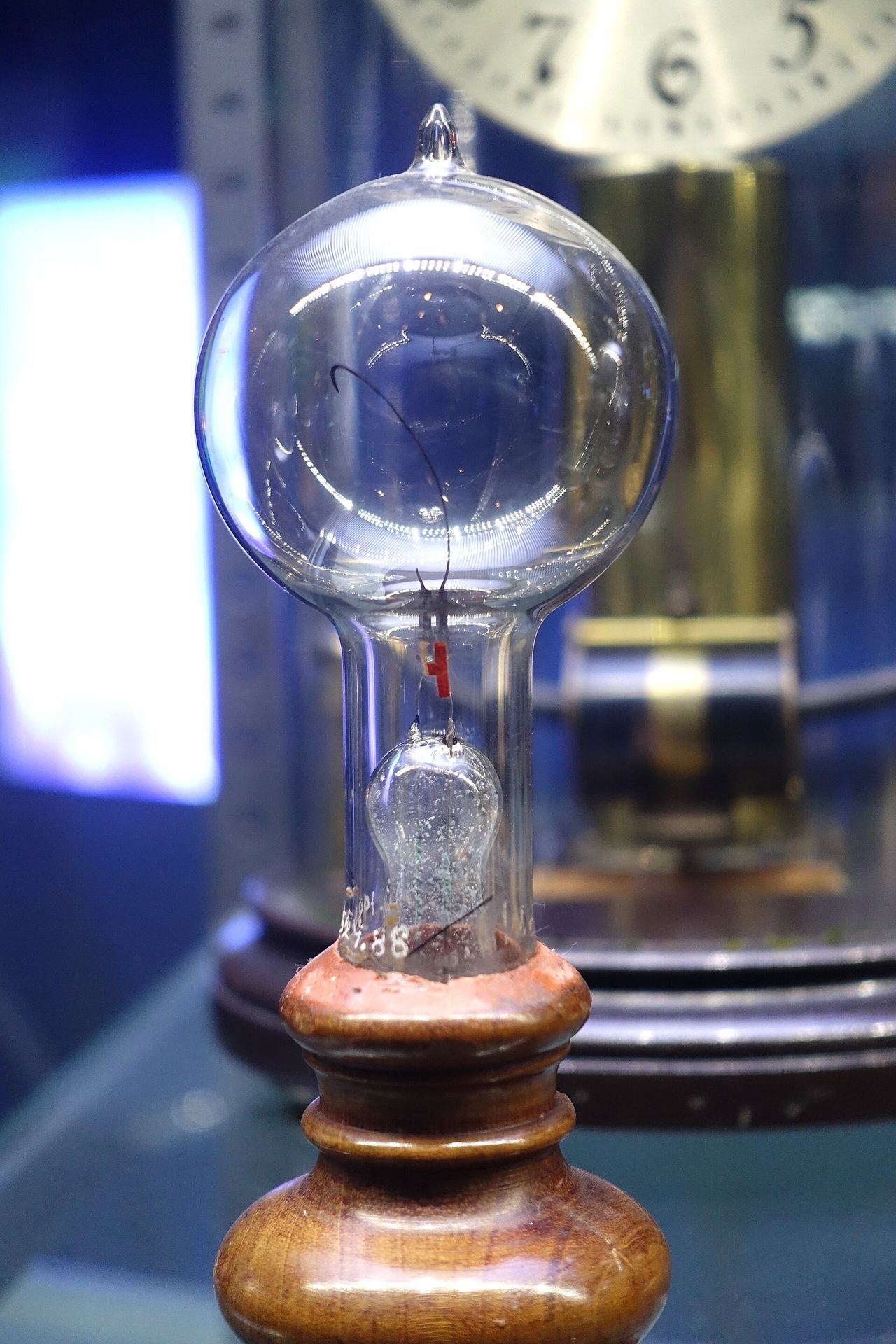
Photo Credit
Image courtesy of © Daderot, Museum of Science and Industry, Chicago (CC0), via Wikimedia CommonsThe war of the currents
What followed was less a debate than a brawl. Edison’s company insisted DC was the safer system, and an engineer named Harold Brown set out to prove AC deadly by killing animals in public, with technical help from Edison’s side. They also made sure the first electric chair, used in New York on 6 August 1890, ran on a Westinghouse AC generator. It was marketing by association, at its grimmest, and it did not work.
The turning point was a fair. In 1892 Westinghouse underbid General Electric to light the World’s Columbian Exposition in Chicago, made no profit on the job, and in 1893 showed the public a safe, flexible AC system running everything from lamps to motors. By then the war was ending in the boardroom: Edison’s company had merged with Thomson-Houston in 1892 to form General Electric, which was soon building AC equipment itself.
Niagara: where the argument was settled
The real prize was Niagara Falls. Edward Dean Adams, whose company was harnessing the falls, asked Tesla’s advice, and the contract went to Westinghouse for two-phase AC generators, with General Electric building the lines. The Adams power plant, the first large-scale AC generating station, went into operation on 25 August 1895, its voltage stepped up to 20,000 for the run to Buffalo. Niagara had become a wall socket.
Why Edison won the money and Tesla the future
Edison knew an invention is only half a product; the rest is finance, factories, patents and publicity. Tesla preferred the next idea to the last cheque. In 1891, with Westinghouse squeezed by its lenders after the panic of 1890, he agreed to release the company from his royalty clause. Westinghouse later bought the patent outright for $216,000. Loyal, generous and, as accountancy goes, catastrophic.
Yet the future belongs to Tesla’s idea. Almost every home on Earth draws alternating current from the wall, while direct current retreated so completely that New York’s last DC utility service was shut down only in 2007. The honest verdict is that both were right about different things: Edison about systems and business, Tesla about physics. The modern world is the merger, which is roughly what General Electric was.
Edison built the business of electricity; Tesla built its future. The world needed both, and paid only one of them properly.
Lightning in a barn: the Tesla coil
In 1891 Tesla patented the Tesla coil, a resonant transformer that turns ordinary current into very high voltage at high frequency, and in 1899 he took it to a laboratory in Colorado Springs. The famous photograph of him reading calmly beneath a storm of artificial lightning is a double exposure, and Tesla admitted as much in his notes: the discharge was not playing while he sat there. Showmanship was always part of the science.
Wardenclyffe and the dream of wireless power
Tesla wanted more than wires. In March 1901 the financier J. P. Morgan agreed to fund the Wardenclyffe Tower on Long Island, which Tesla hoped would carry messages, and eventually power, across oceans without cables. The money ran out, the project was abandoned, and in 1917 the tower was demolished for scrap to settle his debts. In 2013 a crowdfunding campaign bought the site for a future Tesla science centre.
His last decades were spent in New York hotels, unpaid bills trailing behind him, walking out to feed the pigeons. He moved into the Hotel New Yorker in 1934 and died in New York in January 1943. Five months later, the US Supreme Court ruled on Marconi’s radio patents, restoring earlier patents including Tesla’s. In 1960 the SI unit of magnetic flux density was named the tesla. Recognition, as so often, arrived after the guest had left.
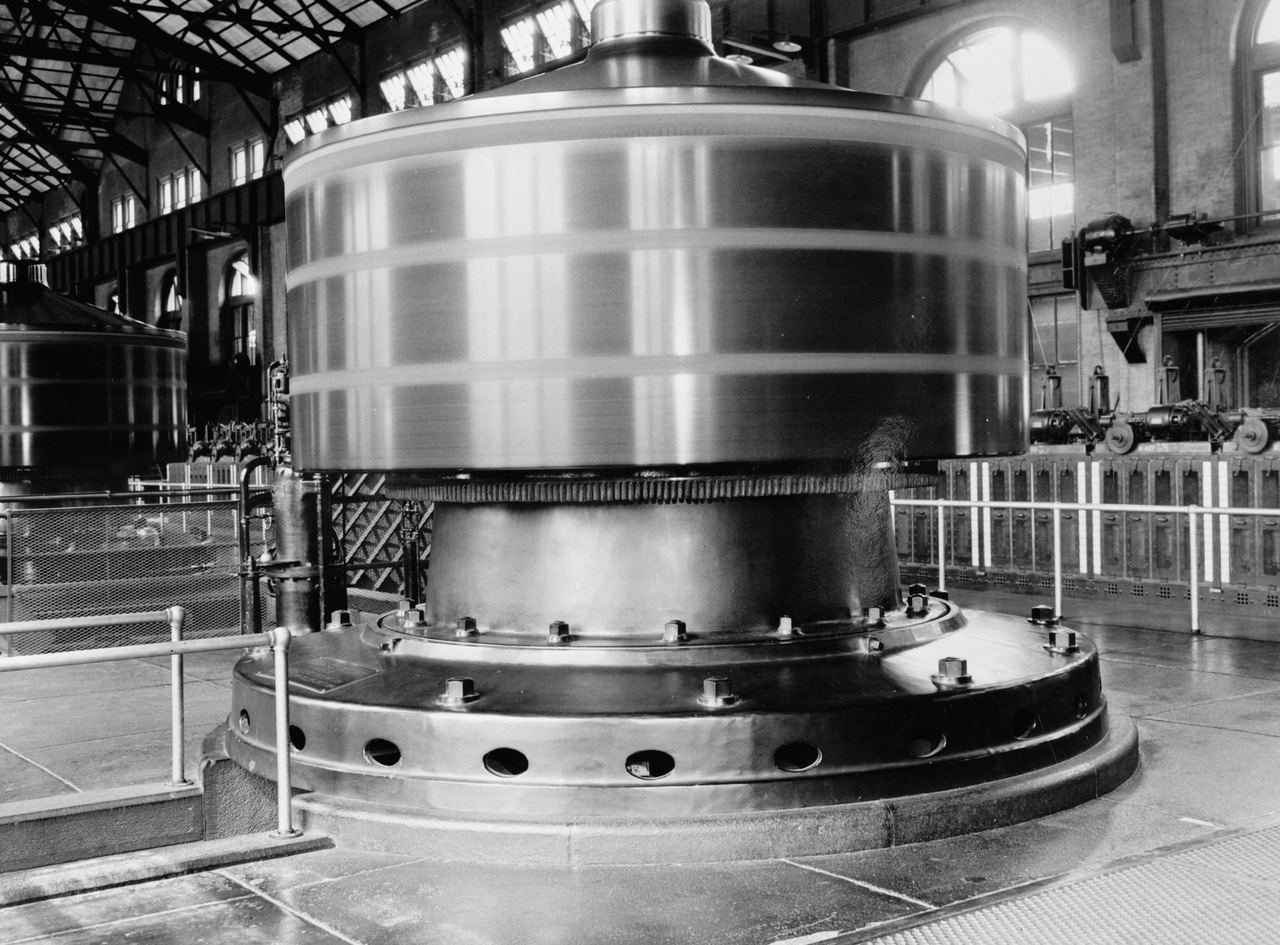
Photo Credit
Image courtesy of © Historic American Buildings Survey, Library of Congress (public domain), via Wikimedia CommonsWhy a car company took his name
In July 2003 Martin Eberhard and Marc Tarpenning incorporated Tesla Motors, named in tribute to the inventor. The choice was more than romance: the company’s older motor design is a three-phase AC induction motor, a direct descendant of the machine Tesla patented in 1888. Every time one of them glides silently away from a traffic light, a rotating magnetic field dreamt up in the 1880s is doing the work.
The gallery: five more who wired modern life
Michael Faraday was apprenticed to a London bookbinder at 14 and in 1831 discovered electromagnetic induction, the principle behind every generator and transformer in this story. He turned down a knighthood, preferring to remain “plain Mr Faraday”, and Albert Einstein kept his portrait on the study wall beside Newton and Maxwell. His Christmas Lectures at the Royal Institution still run.
A bookbinder’s apprentice, in other words, wrote the opening chapter of the electric age.
Alexander Graham Bell received his US telephone patent on 7 March 1876. Sound was a family business: his father and grandfather taught elocution, and both his mother and his wife were deaf. Guglielmo Marconi took the wire out of the telegraph, receiving a signal across the Atlantic at Signal Hill, Newfoundland, on 12 December 1901, and shared the 1909 Nobel Prize in Physics. The Titanic’s radio operators were Marconi employees.
Charles Babbage designed mechanical computers the Victorians never finished; a Difference Engine built from his plans between 1989 and 1991 works perfectly well. Half his brain is preserved at the Hunterian Museum in London, the other half at the Science Museum. Ada Lovelace, Lord Byron’s daughter, published notes on his Analytical Engine in 1843, including a method for computing Bernoulli numbers often called the first published program.
Lovelace called her approach “poetical science”, and she also wrote that the Engine had no pretensions to originate anything. A century later Alan Turing, the English mathematician who founded theoretical computer science, answered her in his 1950 paper on thinking machines, naming her argument “Lady Lovelace’s Objection”. That debate is the history of artificial intelligence, and it has a story of its own.
Where to see it today
Our advice: in Belgrade, the Nikola Tesla Museum keeps his archive and his ashes, in a gold-plated sphere on a marble pedestal. In West Orange, New Jersey, Thomas Edison National Historical Park preserves his laboratory complex and his home, Glenmont. In London, the Science Museum shows Babbage’s Difference Engine, and the Royal Institution keeps Faraday’s world alive. At Niagara Falls, the Adams Transformer House still stands.
Why it's on our list
- The war of the currents, AC v DC
- Edison’s phonograph and light bulb
- Westinghouse, Chicago 1893 and Niagara
- Tesla’s coil and dream of wireless power
- Faraday, Bell, Marconi, Babbage and Lovelace
- Where to see it all today
Location
The map comes from Google Maps, which sets its own cookies once it loads.
More in depth
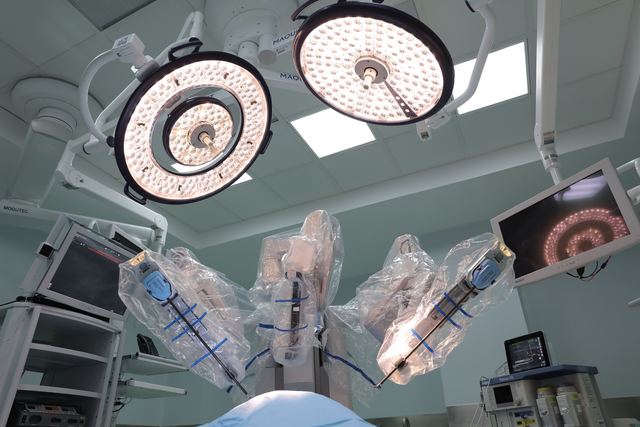 ScienceRobots, algorithms and the new medicineSurgical robots, AI that reads scans, AlphaFold and new drugs: the gains, the limits, the questions.
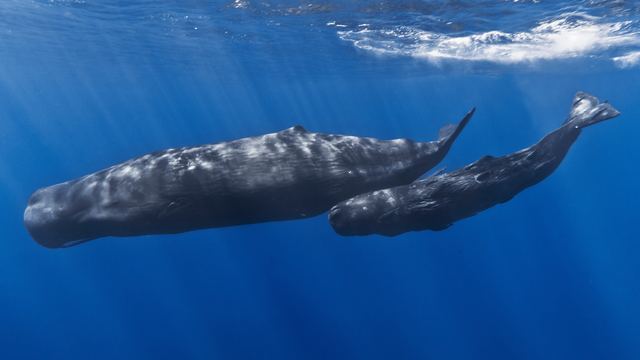 ScienceAI and wildlife: the machines that listen for the wildCamera traps, whale codas, ranger dashboards and satellites: how AI is changing conservation.
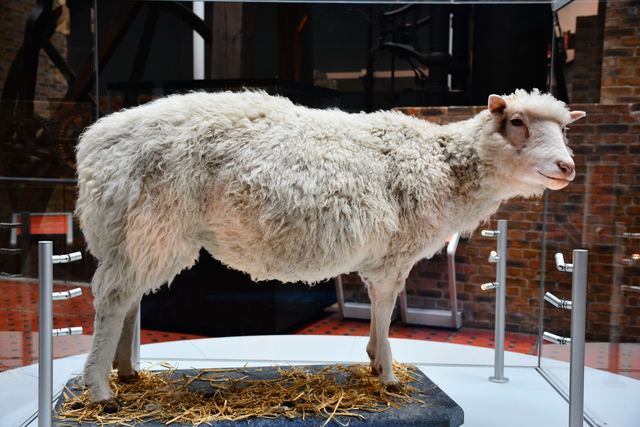 ScienceShould we edit life? The ethics of genetic engineeringFrom Dolly to CRISPR cures, gene drives and mammoths: the questions behind the science.