Science
Traditional, alternative and modern medicine: where they meet
Artemisinin, aspirin and acupuncture: what tradition gave medicine, and what the evidence says.
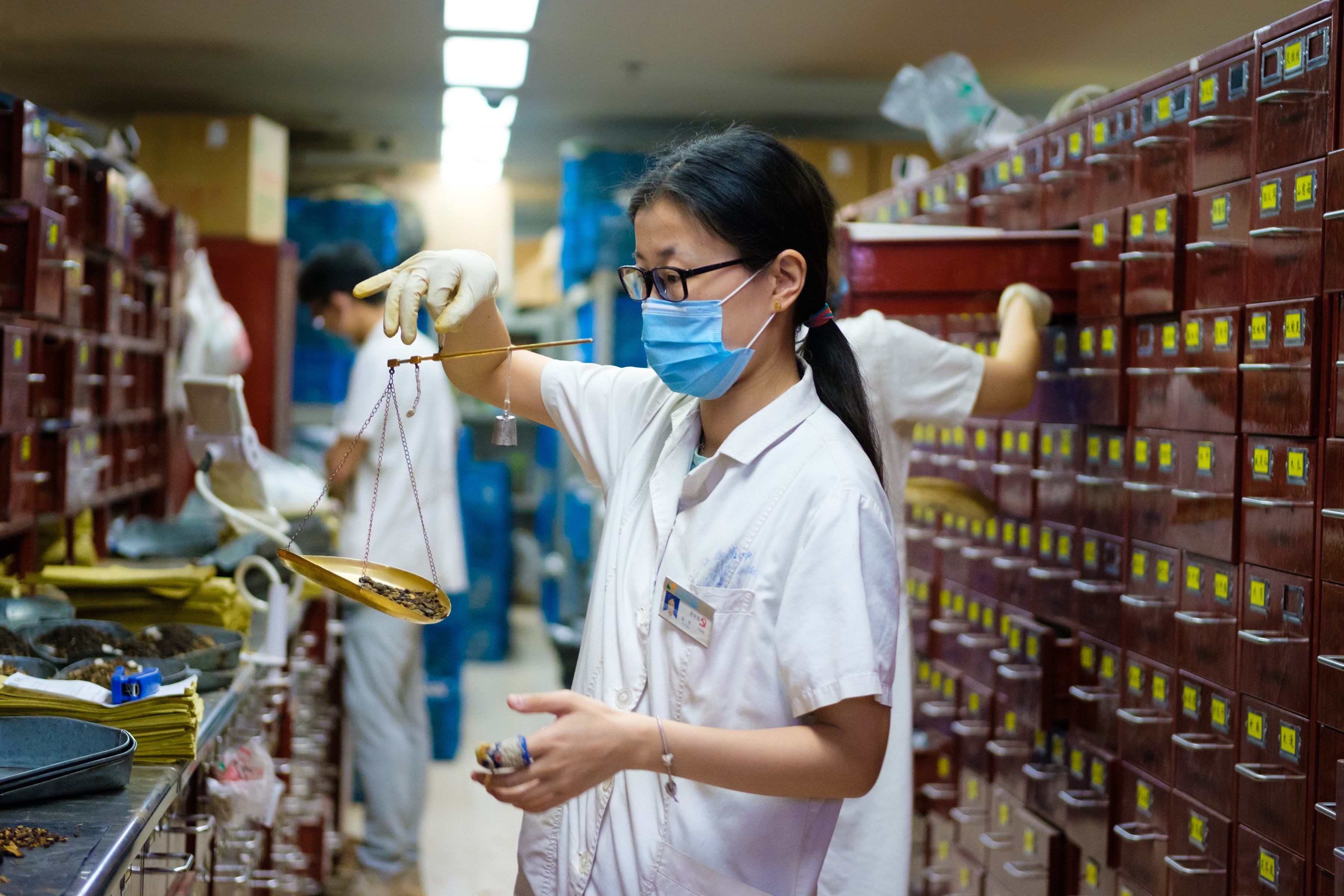
Photo Credit
Image courtesy of © Kristoffer Trolle, Wikimedia Commons, CC BY 2.0A Nobel Prize for a malaria drug found in a fourth-century Chinese text, a vicar tasting willow bark, a Birmingham doctor and his foxgloves: modern medicine owes more to tradition than it sometimes admits. Here is where Traditional Chinese Medicine, Ayurveda, complementary therapies and evidence-based medicine meet, what natural and synthetic really mean, and how a traveller should think about it.
Three ways of healing
In the pharmacy of a Chinese medicine hospital in Nanjing, a pharmacist in a white coat weighs dried roots on a hand-held brass balance, in front of a wall of numbered drawers. Around 90 per cent of the World Health Organization’s member states have reported on their use of traditional medicine, and for much of the world the question is not which kind of medicine to believe in, but how the kinds fit together.
The WHO has made that question official. In 2022 it opened the WHO Global Traditional Medicine Centre in Jamnagar, Gujarat, with founding support from the Government of India, to bring “ancient wisdom and modern science” together. On 26 May 2025 the World Health Assembly agreed a Global Traditional Medicine Strategy for 2025 to 2034, whose objectives begin with a stronger evidence base and better safety and regulation. Respect, in other words, but with data.
What the words mean
The vocabulary is slippery, so it helps to pin it down. The US National Center for Complementary and Integrative Health (NCCIH) calls a non-mainstream practice complementary when it is used together with conventional medicine, alternative when it is used instead of it, and integrative when the two are combined in a coordinated way. Most people who use such approaches, it notes, also use conventional care.
Traditional medicine refers to whole systems with long histories, such as Ayurveda in India and Traditional Chinese Medicine.
Ayurveda, which NCCIH describes as one of the world’s oldest medical systems, rests on classical writings and takes a holistic view of body and mind. Traditional Chinese Medicine combines herbal products with practices such as acupuncture and tai chi. Neither is a single remedy; both are philosophies of health, and judging either by one pill is like judging French cooking by a single croissant.
A fever cure in a fourth-century book
The most celebrated meeting of old and new began with a secret. In 1967 China launched Project 523 to find new drugs against malaria, and in 1969 Tu Youyou, a researcher at the Institute of Chinese Materia Medica, became a group leader. Her team combed old texts and found that the fourth-century physician Ge Hong had prescribed qinghao, sweet wormwood, for fevers, soaked in water rather than boiled. The detail mattered: heat seemed to destroy the active ingredient.
Tu’s team switched to a low-temperature extraction and isolated artemisinin. In 2015 she received half of the Nobel Prize in Physiology or Medicine for her discoveries on a new malaria therapy; the other half went to William C. Campbell and Satoshi Ōmura for avermectin, found in a soil microbe.
Artemisinin derivatives are now the backbone of malaria treatment, although the WHO’s 2025 malaria report warns that partial resistance has been confirmed in Eritrea, Rwanda, Uganda and Tanzania.
Then the story turned again. In April 2013 Sanofi began producing semi-synthetic artemisinin from yeast engineered by the company Amyris, building on work in Jay Keasling’s laboratory at the University of California, Berkeley. A molecule first described from a herb in an ancient book was now brewed, in part, by microbes in a fermenter. Ask whether that artemisinin is natural or synthetic, and the honest answer is: both.
Willow, foxglove and the birth of the pharmacy
On 25 April 1763 the Reverend Edward Stone wrote to the president of the Royal Society about the bark of the willow. He had tasted it, found it bitter, and tried the dried powder on about fifty people with fevers over five years. Chemists isolated salicin from willow bark in 1828.
On 10 August 1897 Felix Hoffmann, a chemist at Bayer, made pure acetylsalicylic acid, registered as Aspirin in 1899; a colleague, Arthur Eichengrün, later claimed he had directed the work.
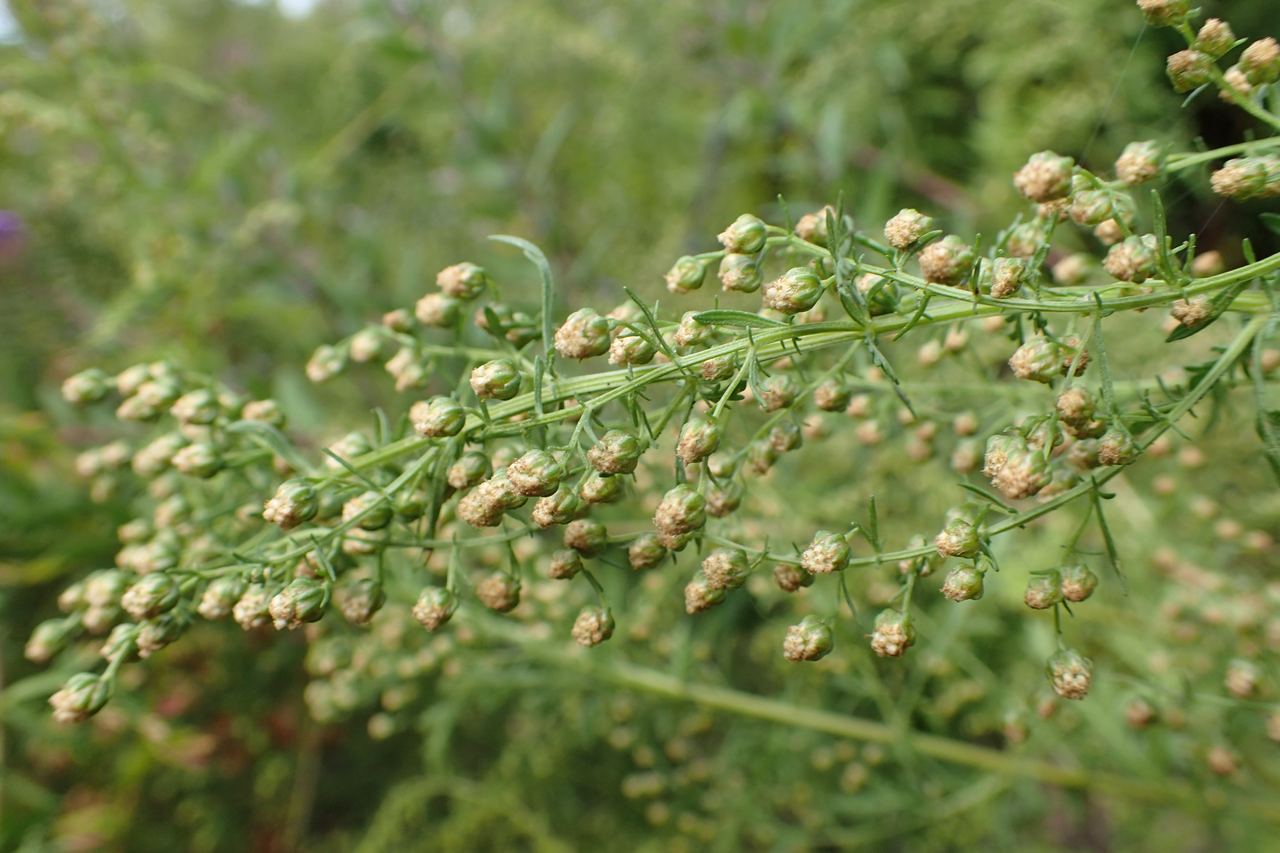
Photo Credit
Image courtesy of © Krzysztof Ziarnek, Kenraiz, Wikimedia Commons, CC BY-SA 4.0In 1785 William Withering, a Birmingham physician, published An Account of the Foxglove, drawing on 156 of his own cases to show that the plant, long used in folk medicine, could treat dropsy, the swelling of heart failure. Drugs derived from foxglove are still prescribed. The Pacific yew gave cancer medicine paclitaxel, and the Madagascar periwinkle gave vinblastine and vincristine, the first plant-derived cancer agents to reach clinical use. Many medicine cabinets are, at heart, herbaria with better labelling.
Natural, synthetic, and why neither means safe
A natural compound is one made by a living thing; a synthetic one is made in a laboratory; a semi-synthetic one starts with the first and finishes with the second. To the body, a molecule is a molecule, wherever it came from. What matters is what it is, how pure it is and how much you take. Withering’s lesson was about dose as much as discovery, because the plant that steadies a failing heart is also poisonous.
Tell your doctor or pharmacist about everything you take, herbal or not: herbs and drugs share a liver.
A cautionary tale comes from Belgium. In the early 1990s more than 100 patients of a slimming clinic developed kidney disease after a herbal preparation was made with Aristolochia fangchi, which contains aristolochic acid, apparently substituted by mistake for a different herb. The US Food and Drug Administration warned health professionals about aristolochic acid in 2000. “Natural” describes an origin, not a safety record.
What the evidence says
On acupuncture, NCCIH reports evidence that it may help some chronic pain, including low-back and neck pain and knee osteoarthritis, and may reduce tension headaches and help prevent migraines; it adds that some trials find real and sham acupuncture work about equally well, which suggests a placebo effect.
The NHS may offer acupuncture for long-term pain and migraine-type headaches, and advises choosing a practitioner on a register accredited by the Professional Standards Authority.
Herbal medicine is harder to summarise. A Cochrane review in 2008, pooling 29 trials with 5,489 patients, found that St John’s wort extracts worked better than placebo for major depression and about as well as standard antidepressants, with fewer side effects; its authors cautioned that products vary widely. Which raises an awkward question at the shelf: if one bottle differs from the next, which result did you buy?
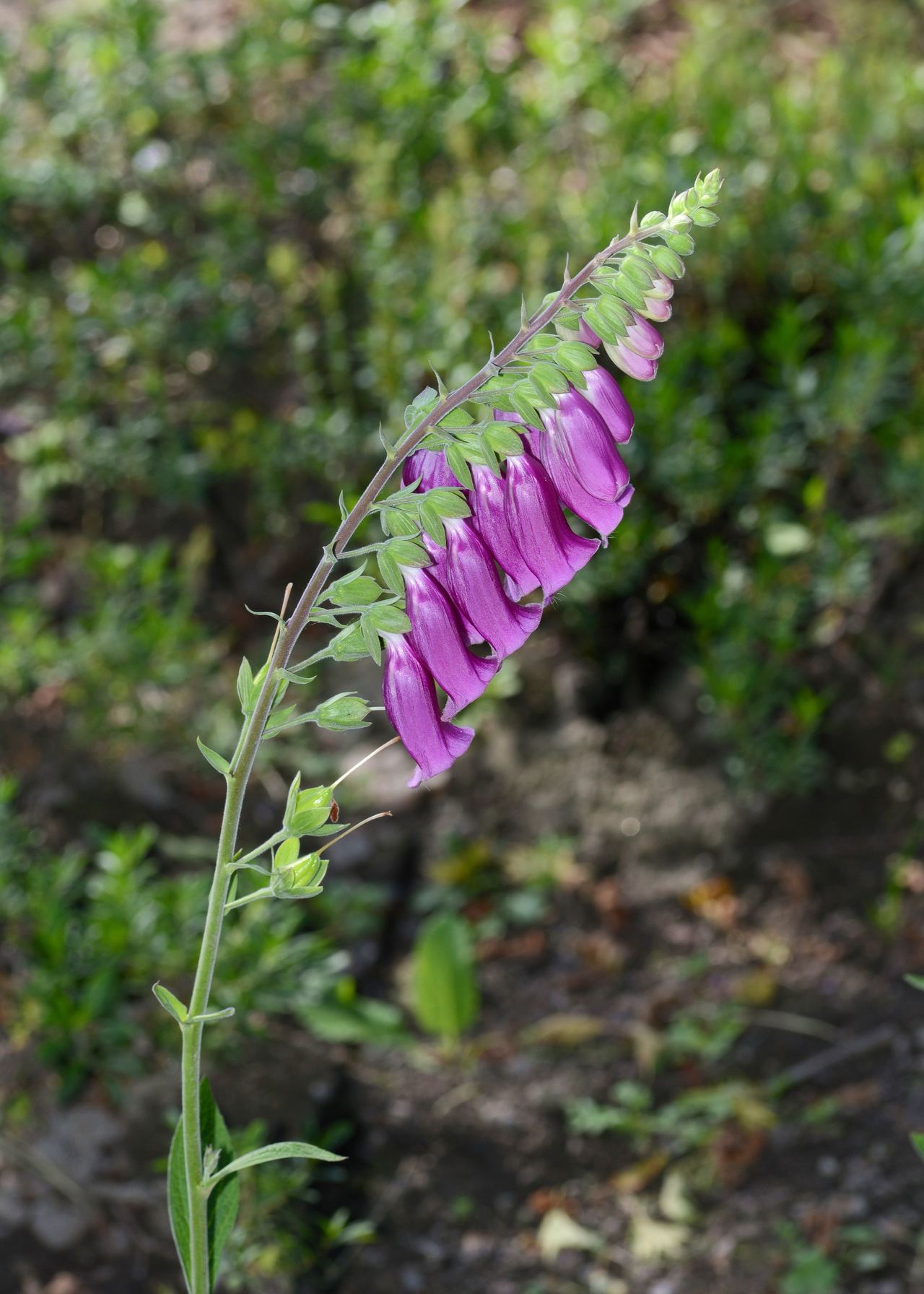
Photo Credit
Image courtesy of © Alvesgaspar, Wikimedia Commons, CC BY-SA 3.0NCCIH says many studies of Chinese herbal products are of poor quality, and that few well-designed trials support Ayurvedic approaches, although a 2013 trial for knee osteoarthritis found two Ayurvedic formulations comparable to glucosamine and the anti-inflammatory drug celecoxib. Weak evidence is not proof of failure; it is an absence of proof, a different and more frustrating thing.
At the other end of the scale, in November 2017 NHS England advised that homeopathy and herbal treatments should no longer be routinely prescribed in primary care, finding no clear or robust evidence to support them. The NHS also points out that herbal medicines and complementary therapies are not tested in the same way as standard medicines.
That does not mean nothing works; it means the proof is thinner, and the reader has to carry more of the judgement.
Safety, interactions and regulation
Herbs and drugs share a liver. St John’s wort speeds up the breakdown of some other medicines and can make the contraceptive pill less effective. NCCIH reports Chinese herbal products found contaminated with undeclared drugs such as warfarin and diclofenac, with heavy metals, or with the wrong herb. On Ayurveda, it cites a 2015 survey in which 40 per cent of people using Ayurvedic preparations had raised blood lead levels.
Regulation varies by country. In the UK, herbal medicines registered under the MHRA’s Traditional Herbal Registration scheme carry a number beginning “THR” and a certification mark, which tells you the product meets quality and safety standards and has a long history of traditional use; their claims are based on traditional use only, not on clinical trials.
Elsewhere, the same plant may be sold as a licensed medicine, a food supplement or with no oversight at all.
A traveller’s guide to the apothecary
A historic Chinese pharmacy or an Ayurvedic centre in Kerala can be among the most memorable cultural visits of a journey, and treating them with curiosity rather than condescension is part of good travel. Enjoy the ritual, the craftsmanship and the conversation. When it comes to swallowing something, though, the traveller’s rule is simple: tell your doctor or pharmacist about anything you take, herbal or not, before you take it.
Three practical points. If you take prescription medicines, especially blood thinners, the contraceptive pill or antidepressants, ask a pharmacist about interactions first. If you have acupuncture, check that needles are single-use and sterile. And mind customs: remedies made from protected plants or animals fall under the CITES treaty, and UK Border Force has seized weight-loss products containing crocodile blood and orchid extract. A souvenir should not need a permit.
Photo Credit
Image courtesy of © Daderot, Wikimedia Commons, CC0Where the roads meet
The best of this story is collaboration. Tu Youyou read an ancient text with the eyes of a scientist; Edward Stone tested a country remedy on fifty parishioners; Withering turned a folk recipe into a dose. The questions worth carrying home are the ones they asked: what is the active ingredient, how much is safe, and how do we know? Tradition can point to the medicine cabinet. Evidence decides what stays in it.
Why it's on our list
- Artemisinin, aspirin and other plant-born drugs
- Natural vs synthetic: what the words mean
- What NHS, NCCIH and Cochrane evidence says
- Interactions, contamination and regulation
- How to enjoy traditional medicine on your travels
Location
The map comes from Google Maps, which sets its own cookies once it loads.
More in depth
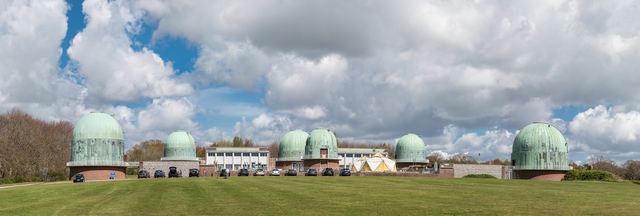 SpaceSpace near Brighton: observatories, dark skies and stargazersHerstmonceux’s observatory domes, the South Downs dark skies and the stargazing clubs near Brighton.
 ScienceAI in space: the machines that land, steer and exploreSelf-landing rockets, Starship, Artemis and the AI driving Perseverance: space exploration in 2026.
 SpaceHubble, Webb and the great telescopesFrom Hubble’s flawed mirror to Webb, Roman, Rubin and the ELT: how telescopes changed our place.