Science
Should we edit life? The ethics of genetic engineering
From Dolly to CRISPR cures, gene drives and mammoths: the questions behind the science.
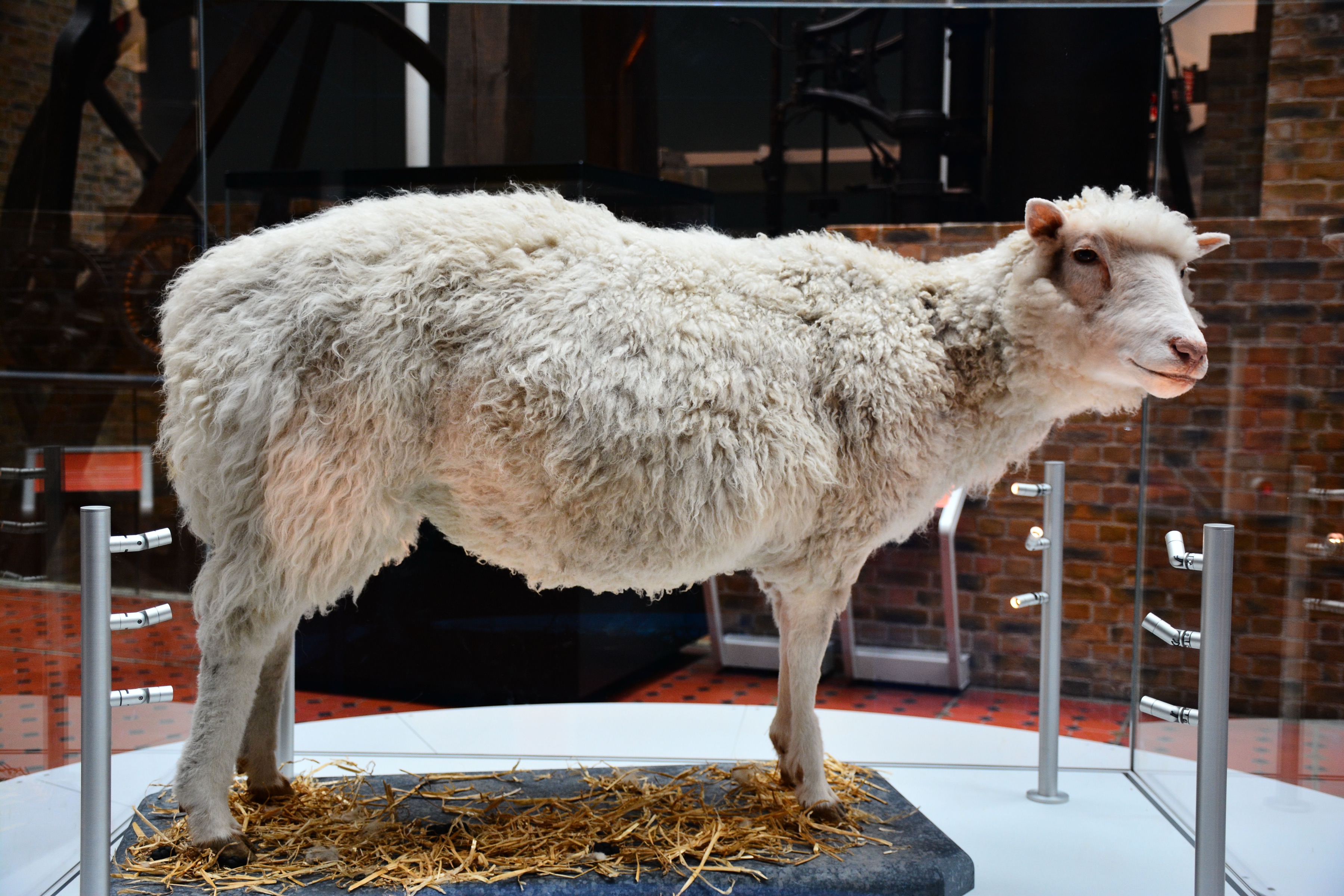
Photo Credit
Image courtesy of © Mike McBey, Wikimedia Commons, CC BY 2.0A stuffed ewe in Edinburgh started an argument that CRISPR has made urgent: if we can rewrite life, when should we? From Dolly and the Human Genome Project to the first CRISPR medicine, the He Jiankui affair, Golden Rice, gene drives and Colossal’s mammoth plans, here are the main positions, set out fairly, and the questions they leave for you.
A sheep called Dolly
In a glass case at the National Museum of Scotland in Edinburgh stands a Finn Dorset ewe on a bed of straw, looking faintly unimpressed by the crowds. Dolly was born on 5 July 1996 at the Roslin Institute, now part of the University of Edinburgh, cloned from a single mammary gland cell taken from an adult sheep. Her scientists named her after Dolly Parton.
The world learned of her in February 1997, and has been arguing about what she meant ever since.
Dolly lived for six years. A scan in February 2003 found tumours in her chest and she was put to sleep; she has been on display in Edinburgh ever since. Her real legacy is a question rather than a technique: if life can be copied, can it also be rewritten, and if it can, who decides when it should be?
Reading the book before writing in it
The Human Genome Project began in October 1990 and produced the first sequence of the human genome in April 2003, the same year Dolly died. Even that landmark left roughly 8 per cent of the genome unread, the knotted, repetitive stretches that defeated the machines of the day. The Telomere-to-Telomere Consortium published the first gapless sequence in Science on 31 March 2022. Reading took three decades; writing, it turned out, would arrive far faster.
The genetic scissors
In 2012 Jennifer Doudna and Emmanuelle Charpentier showed in Science that CRISPR-Cas9, a system bacteria use to fend off viruses, could be programmed to cut DNA at a chosen spot. Editing genes was no longer a craft for a handful of specialist laboratories; it became something closer to word processing.
In 2020 the pair received the Nobel Prize in Chemistry “for the development of a method for genome editing”, the first time two women had shared the chemistry prize.
Others reached similar ideas at around the same time, among them Virginijus Šikšnys of Vilnius University, and the patent disputes were long and costly. What matters for the ethics is the price of entry. When a tool is cheap, fast and widely taught, the old safeguard of sheer difficulty disappears, and rules, review boards and professional conscience have to do the work instead.
The first cure on prescription
In November 2023 the UK medicines regulator, the MHRA, authorised Casgevy, from Vertex Pharmaceuticals and CRISPR Therapeutics, for sickle cell disease and transfusion-dependent beta thalassaemia in patients aged 12 and over. It was the first licensed medicine anywhere to use CRISPR; the US Food and Drug Administration followed on 8 December 2023.
The edit is made to the patient’s own blood stem cells outside the body, and nothing passes to children. The argument is less about principle than about money.
NICE, which advises the NHS in England on value for money, at first declined to recommend Casgevy for sickle cell disease in March 2024. In January 2025 it approved it under a managed access agreement at a confidential discount on a list price of £1.65 million, with NHS England expecting to treat about 50 patients a year at first. A one-off cure can, in theory, save a lifetime of hospital care. The harder question is who gets it first, and who never does.

Photo Credit
Image courtesy of © Christopher Michel, Wikimedia Commons, CC BY-SA 4.0Who pays for a miracle?
The WHO says most babies born with sickle cell disease are born in sub-Saharan Africa, far from health systems that can pay seven figures for a cure. Its own 2021 framework on genome editing uses a proposed sickle cell trial in West Africa as a worked example, because those who take the risks of research are not always those who enjoy the results. Is a cure that only rich health systems can buy a triumph, or an accusation?
In May 2025 the Children’s Hospital of Philadelphia and Penn Medicine reported, in the New England Journal of Medicine, that a baby known as KJ, born with a severe liver disorder called CPS1 deficiency, had been treated with a base-editing therapy designed for his mutation alone. The team built it in about six months. It was moving, and it posed a new problem: how do you regulate, fund and fairly share a medicine made for one person?
The line that was crossed
Everything so far changes one patient. Editing an embryo changes every descendant, and here the scientific community drew a line, which He Jiankui stepped over. In November 2018 he announced the birth of twin girls whose genes he had edited as embryos.
On 30 December 2019 a court in Shenzhen sentenced him to three years in prison and a fine of 3 million yuan for illegal medical practice; the court found that ethical review documents had been fabricated and confirmed a third gene-edited child.
Ask of every new edit: for whom, at what price, with whose consent, and who answers if it goes wrong.
The response was collective. A WHO expert committee called in 2021 for a registry of genome editing trials and a confidential route for reporting unsafe research.
The Third International Summit on Human Genome Editing, held at the Francis Crick Institute in London in March 2023 by the Royal Society, the UK Academy of Medical Sciences, the US National Academies and The World Academy of Sciences, concluded: “Heritable human genome editing remains unacceptable at this time.”
Note the last three words. In the UK, editing embryos for a pregnancy is illegal, but research is allowed under licence: in 2016 the Human Fertilisation and Embryology Authority let Kathy Niakan’s team at the Crick edit donated embryos to study early development, on condition they were never implanted and were kept no longer than 14 days. The prohibition is firm; the door is not welded shut.
The case for, and the case against
The Nuffield Council on Bioethics, an independent UK body, reported in 2018 that heritable genome editing could be ethically acceptable if it met two principles: it must be intended to secure, and be consistent with, the welfare of the future person, and it must not increase disadvantage, discrimination or division in society. A conditional yes, not a green light.
Others object in principle; when the HFEA licensed embryo research in 2016, the campaign group Comment on Reproductive Ethics accused the regulator of “arrogance”.
Between those positions sit the questions any reader can test against their own conscience. A child cannot consent to an edit made before birth, but nor does any child consent to the genes chance hands them. Preventing a lethal disease feels different from choosing height or eye colour, yet the boundary between treatment and enhancement has a habit of moving.
And if editing ever becomes safe, would refusing it to a family facing a devastating inherited illness be caution, or cruelty?
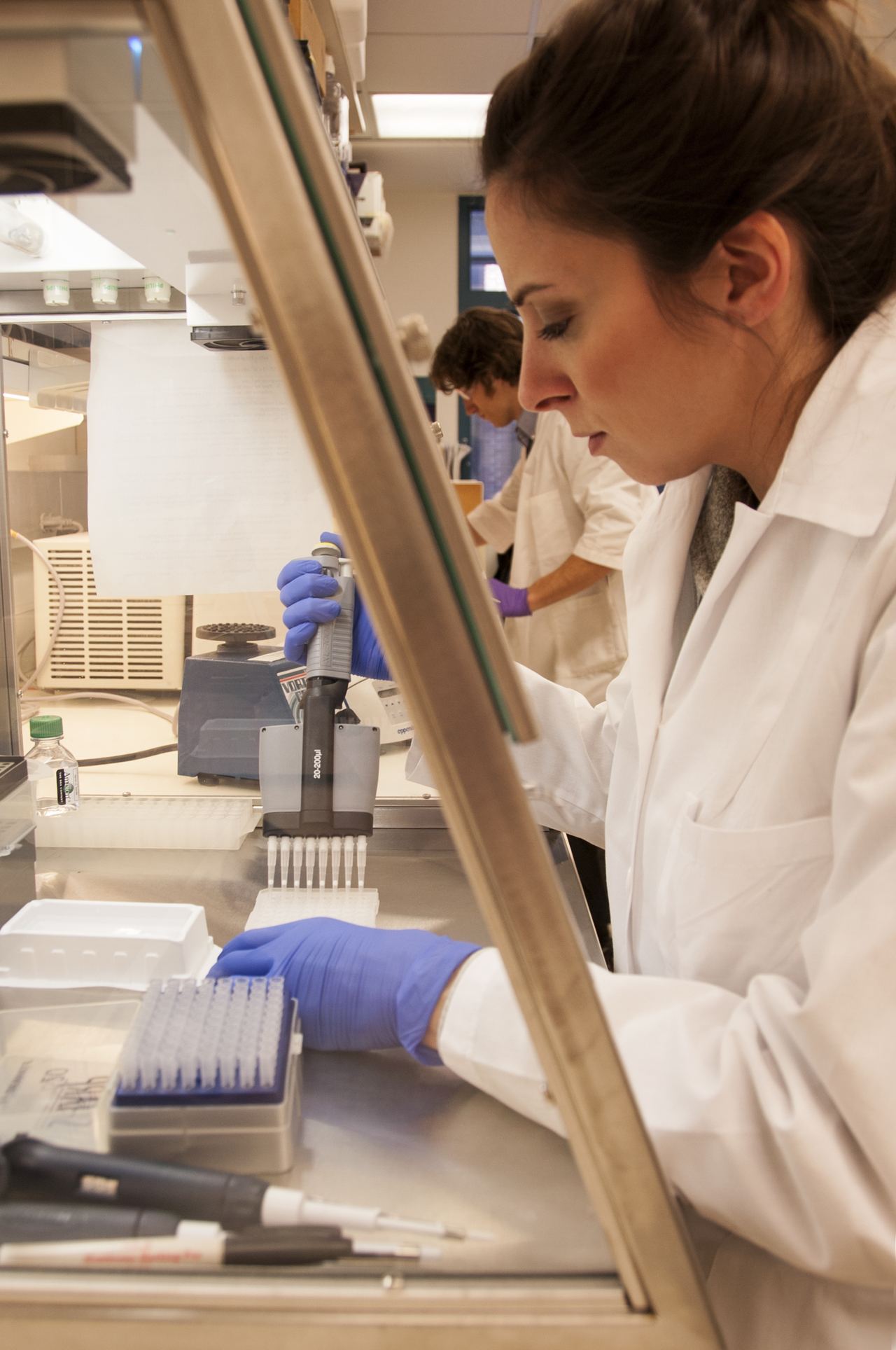
Photo Credit
Image courtesy of © U.S. Food and Drug Administration, Wikimedia Commons, public domainRice, livestock and the precautionary principle
Golden Rice, developed with the International Rice Research Institute, is engineered to produce beta-carotene, which turns the grain the colour of saffron and the body converts to vitamin A. The Philippines approved commercial propagation in 2021; in April 2024 its Court of Appeals halted it, citing a lack of “full scientific certainty” and applying the precautionary principle.
Supporters saw a nutritional tool held back; opponents, including Greenpeace, called the ruling a win for farmers. One golden grain: rescue to some, risk to others.
England has taken another path: since 13 November 2025 plants whose edits could have arisen through traditional breeding can be authorised as “precision bred”, while those carrying genes from other species are still regulated as GMOs.
For animals, the Nuffield Council warned in 2021 that editing could improve welfare, through disease resistance for example, or speed up intensive farming that harms it, and called for independent breeding standards and public dialogue before gene-edited animal products reach shops.
Gene drives: editing a whole species
A gene drive is a genetic change built to be inherited by more than the usual half of an animal’s offspring, so it can spread through a wild population in a few generations. Researchers see it as a way to suppress the mosquitoes that carry malaria, which the WHO estimates killed about 608,000 people in its latest annual count.
Target Malaria, a not-for-profit research consortium with core funding from the Gates Foundation, has worked towards this for years. The power and the problem are the same thing: a change designed to spread is, by design, hard to recall.
The ethical difficulty is that a mosquito does not respect a border or wait for a consultation. Whose consent is enough: a village, a nation, a region? In August 2025, after Target Malaria released about 16,000 genetically modified male mosquitoes in Burkina Faso (not gene-drive insects), national authorities asked it to suspend all its activities there.
The case shows how much of this science depends on public trust, and how quickly that trust can be withdrawn.
Bringing back the mammoth
Colossal Biosciences, a company in Texas, unveiled “woolly mice” in March 2025, edited for long, wavy coats as a step towards what it calls a proxy woolly mammoth, with calves it hopes for as early as 2028. In April 2025 it announced three wolf pups carrying 20 edits in 14 genes, which it presented as dire wolves.
Many scientists replied that a grey wolf with a few changes is not an extinct species returned; the company called the dispute a distraction.
Underneath the taxonomy is a better question. Is de-extinction a new conservation tool, whose techniques might one day help endangered species survive, or a spectacle that makes extinction look reversible and therefore less urgent? Both arguments are made in good faith. The mammoth, at least, has the advantage of not being consulted.
Questions to carry home
Dolly was an experiment, not a manifesto. Three decades on, a familiar pattern repeats: a technique arrives first, and the ethics arrive afterwards, out of breath. The useful questions are no longer whether we can edit life, but which edits, for whom, at what price, with whose consent, and who is accountable when something goes wrong. A visit to Dolly in Edinburgh is a good place to start thinking about the answers.
Why it's on our list
- Dolly, the genome and CRISPR, in brief
- Casgevy: the first CRISPR medicine, and its price
- Embryo editing and the He Jiankui case
- GM crops, gene drives and de-extinction
- What the WHO, Nuffield Council and academies say
Location
The map comes from Google Maps, which sets its own cookies once it loads.
More in depth
 ScienceTraditional, alternative and modern medicine: where they meetArtemisinin, aspirin and acupuncture: what tradition gave medicine, and what the evidence says.
 SpaceSpace near Brighton: observatories, dark skies and stargazersHerstmonceux’s observatory domes, the South Downs dark skies and the stargazing clubs near Brighton.
 ScienceAI in space: the machines that land, steer and exploreSelf-landing rockets, Starship, Artemis and the AI driving Perseverance: space exploration in 2026.