The Observatory
Nobody at the wheel: who is really driving the robotaxi?
Waymo, Tesla, Zoox, Wayve and Apollo Go: who drives itself, who is supervised, and where they run.
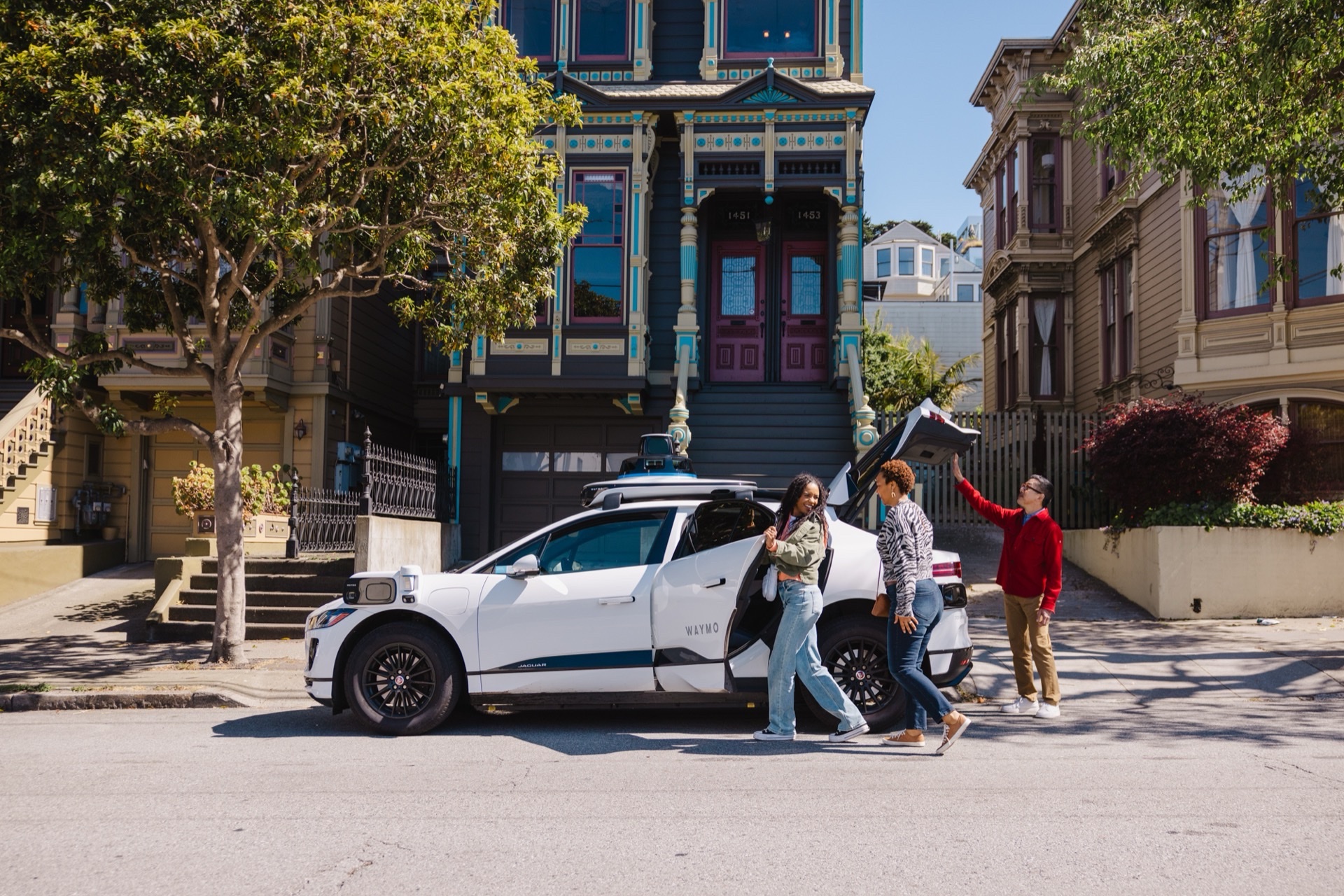
Photo Credit
Image courtesy of © WaymoA car with no one in the driver’s seat is now an ordinary sight in more than a dozen American cities, and a supervised one is picking up fares in London. But “self-driving” means very different things on Tesla’s, Waymo’s and Zoox’s own pages, and to the regulators who watch them. Here is who is driving what, and where, checked against the companies’ and regulators’ own pages in November 2026.
The ghost in the driver’s seat
Stand on a San Francisco corner long enough and a white Jaguar will draw up with nobody at the wheel, a sensor dome on its roof like a lighthouse that has learned to drive. Waymo, which began in 2009 as the Google self-driving car project, says it now gives fully autonomous rides in 14 cities across America, and is working towards its first passengers in London. Its co-chief executives are Tekedra Mawakana and Dmitri Dolgov.
The company’s favourite origin story has a passenger, not an engineer, at its heart. In 2015, Waymo says, Steve Mahan, who is legally blind, rode through the residential streets of Austin in Firefly, a small bubble-shaped prototype, with no human driver behind the wheel. Waymo calls him the first person in the world to ride in a fully autonomous vehicle. Today it counts more than 200 million fully autonomous miles; it was a modest start.
Zoox, led by chief executive Aicha Evans, built the car around the passenger instead. Its robotaxi has, in the company’s words, no front or back: four riders sit carriage-style, facing one another, and four-wheel steering tucks it into the kerb. Zoox opened on the Las Vegas Strip on 10 September 2025, won what it calls the first-ever NHTSA commercial exemption for a purpose-built robotaxi in July 2026, and may now charge for rides.
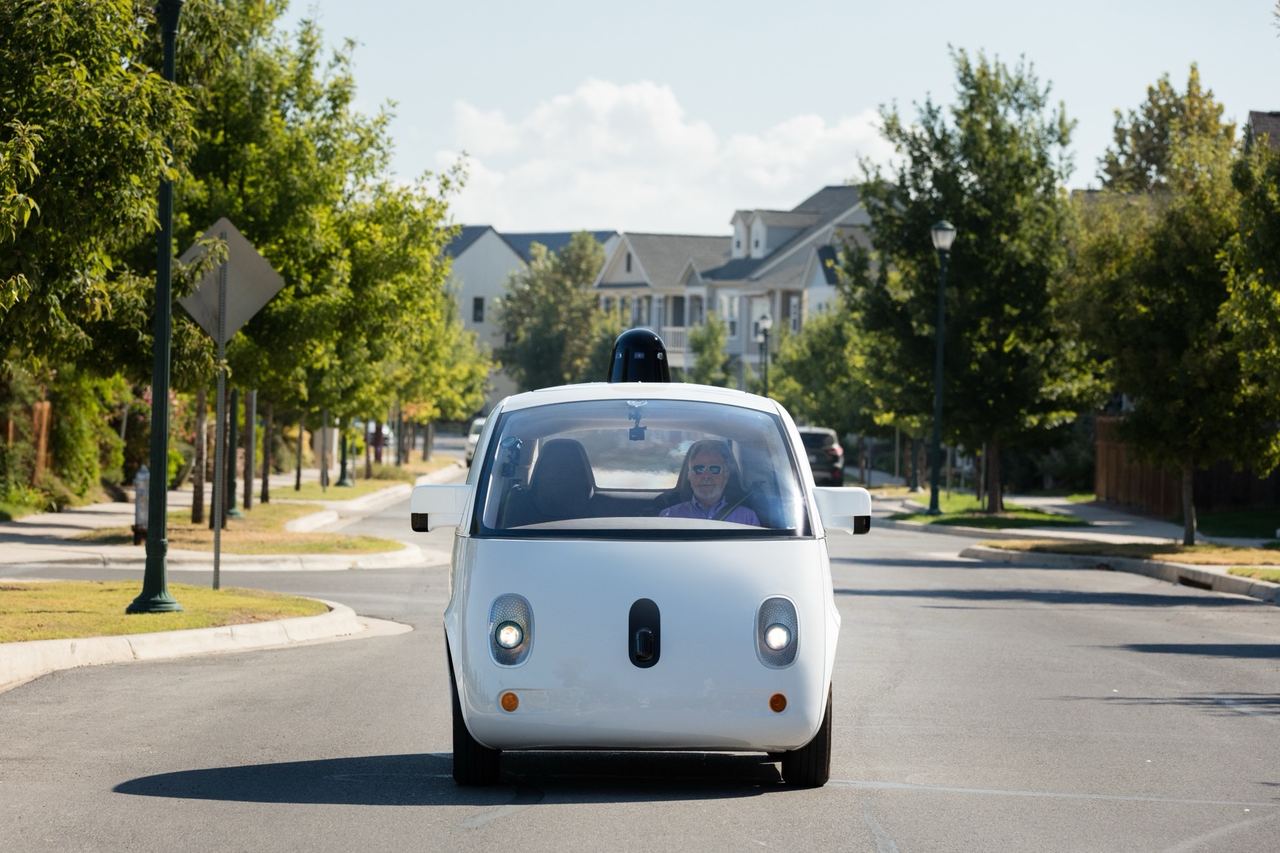
Photo Credit
Image courtesy of © WaymoSupervised, or not
Here the words matter more than the metal. Engineers use the SAE levels: at Level 2 the car steers and brakes but the human must stay fully engaged; Levels 3 to 5 are automated driving systems. NHTSA puts it plainly: even the highest level of automation on sale to consumers needs the driver’s full engagement and undivided attention. Tesla says the same of its Full Self-Driving (Supervised): its features “do not make the vehicle autonomous”.
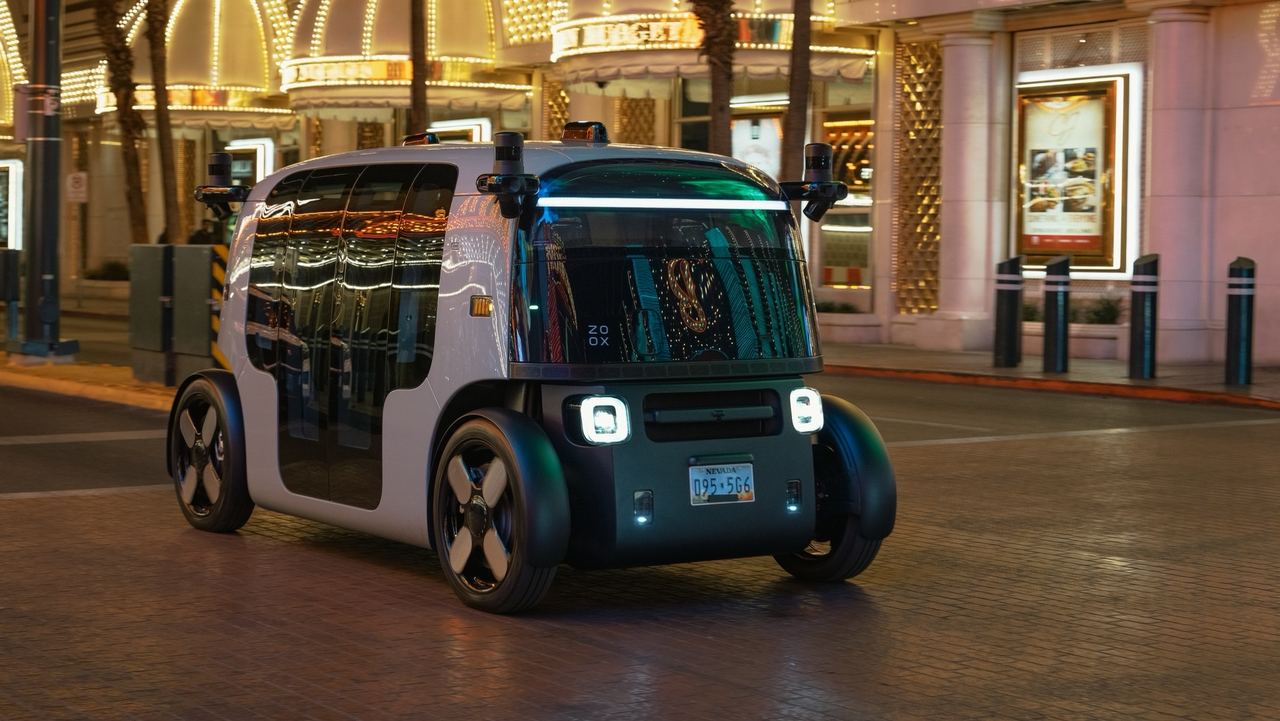
Photo Credit
Image courtesy of © ZooxTesla lists FSD (Supervised) in 18 countries, from the United States and China to Finland. In April 2026 the Dutch regulator RDW gave it a European type approval valid, for now, only in the Netherlands, after more than a year and a half of tests. On 3 November 2026 the RDW approved a change: there it is now called Tesla Assisted Driving, and the speed margin a driver may set fell from +50% to +10%. Rare is the product renamed to promise less.
Tesla’s Robotaxi is a different service: rides hailed in an app, in a Model Y or in the Cybercab, a two-seater built with no steering wheel or pedals and a boot Tesla says takes four suitcases. Its page lists Austin, Dallas, Fort Worth, Houston, Miami, Orlando, San Antonio and Tampa, with a Robovan for groups “arriving soon”. The page does not say which rides carry a safety monitor, so we do not either; ask in the app before you ride.
Every company here reports to the same American ledger. NHTSA’s Standing General Order, first issued in 2021 and amended in 2021, 2023 and 2025, requires reports of certain crashes when an automated driving system, or Level 2 assistance, was in use within 30 seconds of impact. NHTSA warns the data have limits, including duplicate reports: a record, not a league table. California’s DMV issues separate permits for testing and deployment.
Rare is the product renamed to promise less.
Britain has written its own rule book. The Automated Vehicles Act 2024 is the basis for new permits for automated passenger services, set out in regulations in 2026; applications for taxi-, bus- and private hire-style pilots opened on 22 May, with Wayve, Uber and Waymo named as backers. Across the Channel, EU rules have allowed type approval of fully automated driving systems since 2022, for set areas, hub-to-hub routes and valet parking.
Wayve got there first. On 3 September 2026 it and Uber launched the UK’s first autonomous rides: Ford Mustang Mach-Es, each with a TfL-licensed private hire driver on board to oversee the trip, anywhere in London except the airports. “We’re proud to introduce the Wayve AI Driver to the public for the first time right here in London,” said Alex Kendall, its co-founder and chief executive. The fare is the ordinary Uber fare, novelty included.
Where they run
As each company states it in November 2026. Operating: Waymo in Atlanta and Austin (via Uber), Dallas, Denver, Houston, Los Angeles, Miami, Nashville, Orlando, Phoenix, San Antonio, San Diego, San Francisco and Tampa, plus Las Vegas; Tesla in the eight cities above; Zoox in Las Vegas. Arriving or testing: Waymo in London; Zoox in San Francisco and Austin, with Miami, Atlanta, Los Angeles, Houston and San Diego next or in testing.
Further afield, Baidu’s Apollo Go counts 30 cities, runs fully driverless commercial rides in Dubai, tests in London with Uber and Lyft, and tests fully driverless on Hong Kong’s Airport Island. WeRide names Beijing, Guangzhou, Abu Dhabi and Dubai as scaled driverless markets; Pony.ai runs in Guangzhou and Shenzhen, and in Singapore via the Zig app. Mobileye, founded by Amnon Shashua, plans its own US robotaxi service from 2027.
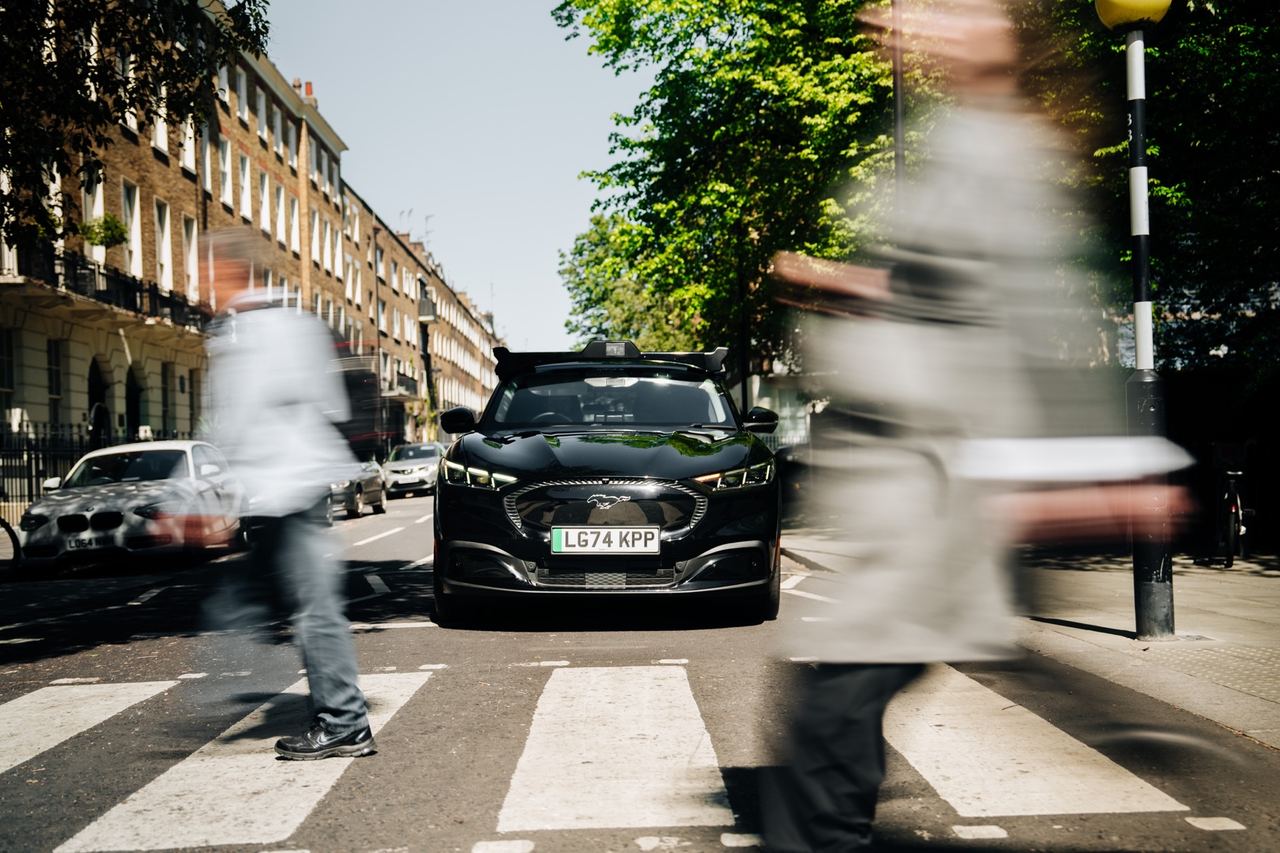
Photo Credit
Image courtesy of © WayveOur advice: book only through the operator’s own app or its named partner (Uber in London, Atlanta and Austin), check the service area and hours before you land, and read the safety page for that city. Ask whether your ride is driverless or supervised, and wear your seatbelt; the car will notice. For the official picture, follow NHTSA’s crash-reporting page, California’s DMV, the RDW and gov.uk’s self-driving pages.
Closer to home: Brighton
No self-driving taxi or bus runs in Brighton yet. On 22 May 2026 the Department for Transport opened applications for operators to run taxi, private hire and bus-style self-driving pilots across Great Britain, each needing consent from the local transport authority; it names Transport for London as an example, and the British company Wayve says it plans to bring a supervised passenger service to market this year.
Why it's on our list
- The ghost in the driver’s seat
- Supervised, or not
- Where they run
Location
The map comes from Google Maps, which sets its own cookies once it loads.
More in depth
 The ObservatoryClockwork boys and iron arms: how the robot learned to walkAl-Jazari’s elephant clock, a Swiss boy with a quill, Unimate’s first shift and the humanoid race.
 The ObservatoryShift work for humanoids: who is really on the factory floorAtlas, Figure, Digit, Apollo, Optimus and NEO: where each robot works and what it can do today.
 The ObservatoryThe robot will see you in 2027: what the makers promise, and whenFactory dates, home dates, prices and rent-or-buy: each maker’s published roadmap, dated.