Tara’s notebook
A place for everything: storage that works
Planning storage room by room, from alcoves and under-stairs cupboards to pantries and dressers.
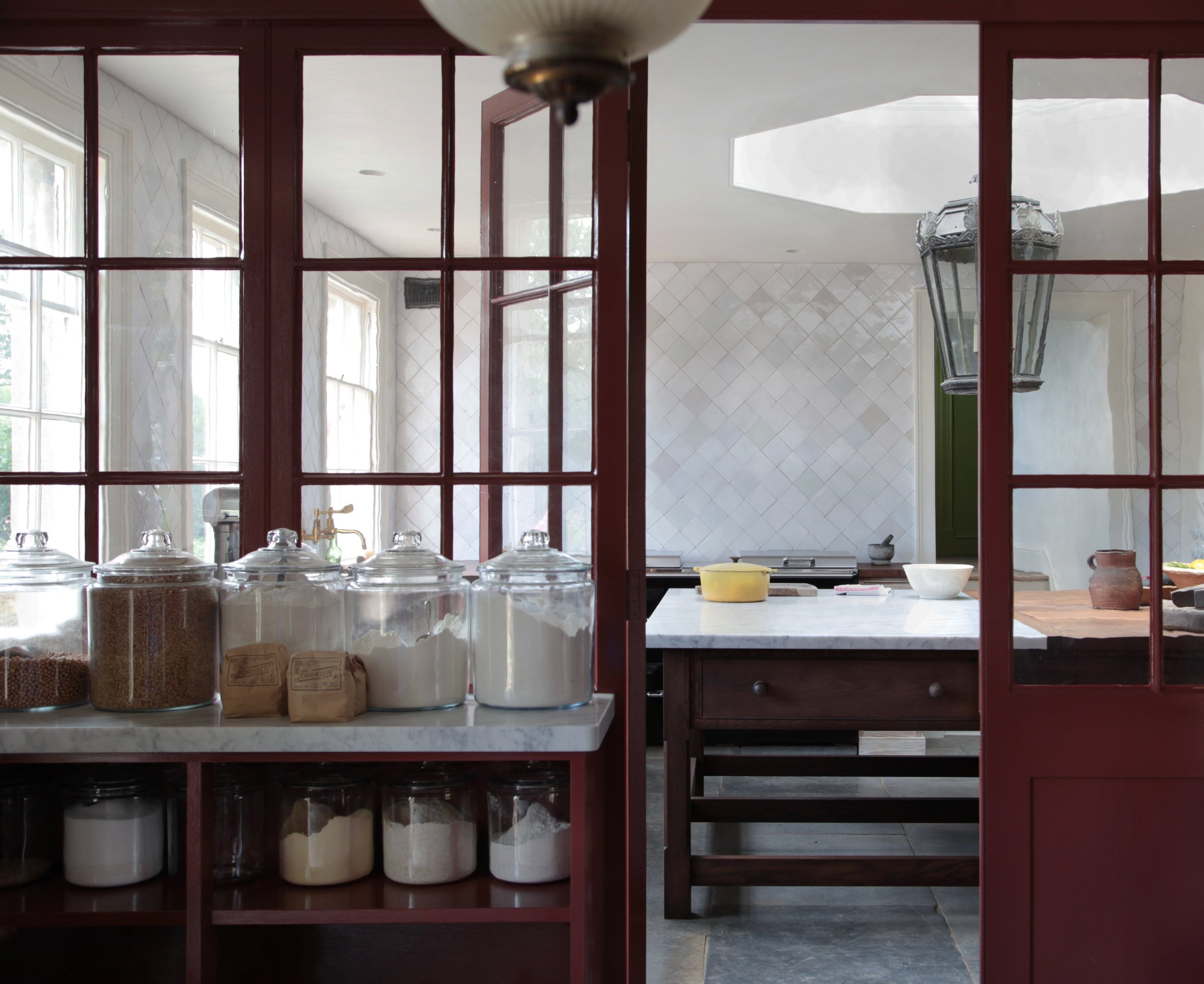
Photo Credit
Image courtesy of © BerdoulatLife attracts clutter, and every new year many of us vow to clear it. Tara de la Motte on the secret of a calm, hard-working home: planning storage properly, so that what you keep has a place to live.
Clutter has a way of arriving uninvited and staying for years. The cure is twofold: be ruthless about what you keep, and give everything that stays a proper home. Good storage is what turns a busy house into a calm one.
Be ruthless first
Before buying a single shelf, clear out. Then list what needs storing by category rather than room by room: books, coats, linen, tools, paperwork. It is a more honest way of seeing how much there really is, and it often shows that one well-planned cupboard can do the work of three.
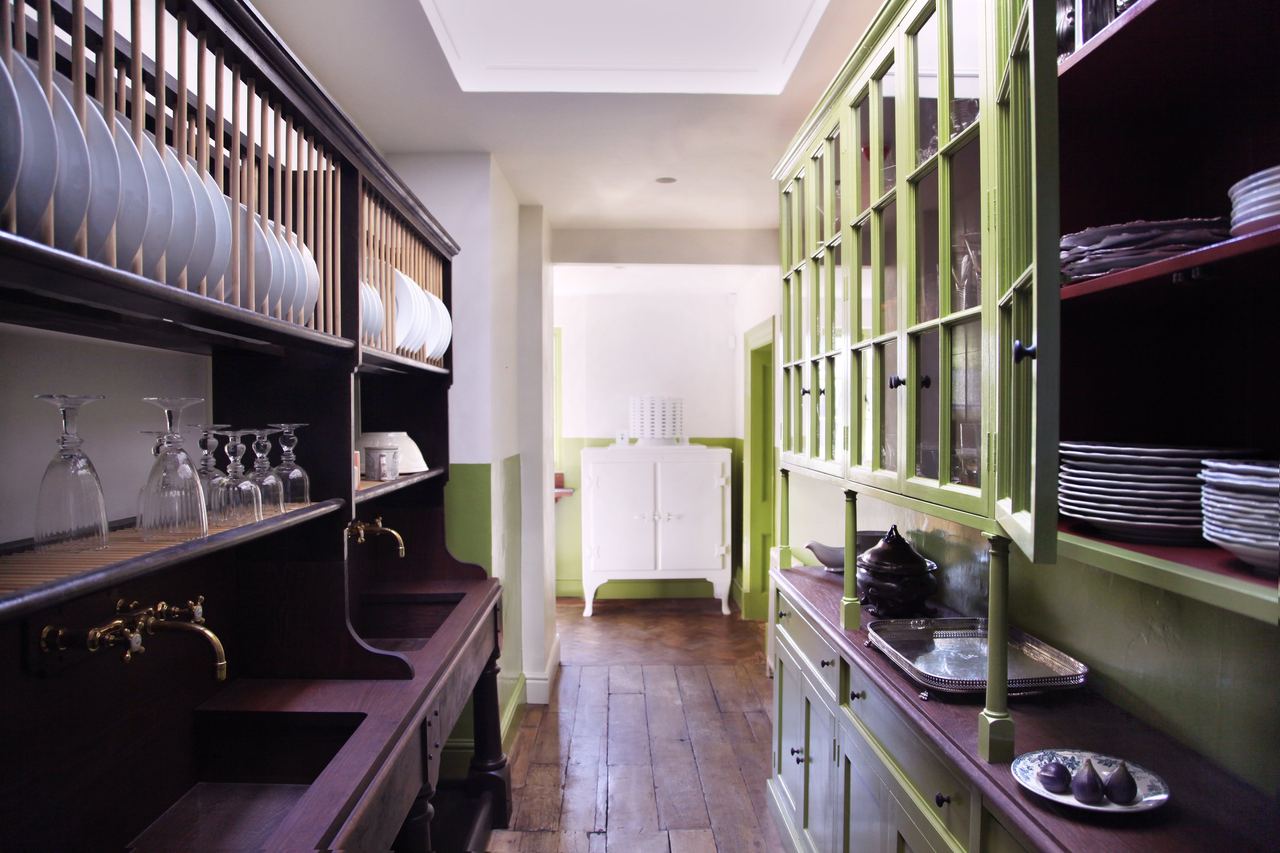
Photo Credit
Image courtesy of © BerdoulatActive and passive
Divide everything into active storage, for things used every day or week, and passive storage, for the Christmas decorations and the suitcases. Active things belong at arm’s reach; passive things can go up high, under the bed or into the loft.
Find the hidden space
Most houses hide wasted space. Alcoves beside a chimney breast take fitted cupboards and shelves beautifully; the space under the stairs can become a cloakroom, a pantry or a row of drawers. In a smaller flat, think beyond the obvious: beds with drawers beneath, fold-down tables, and shelves that run above doors.
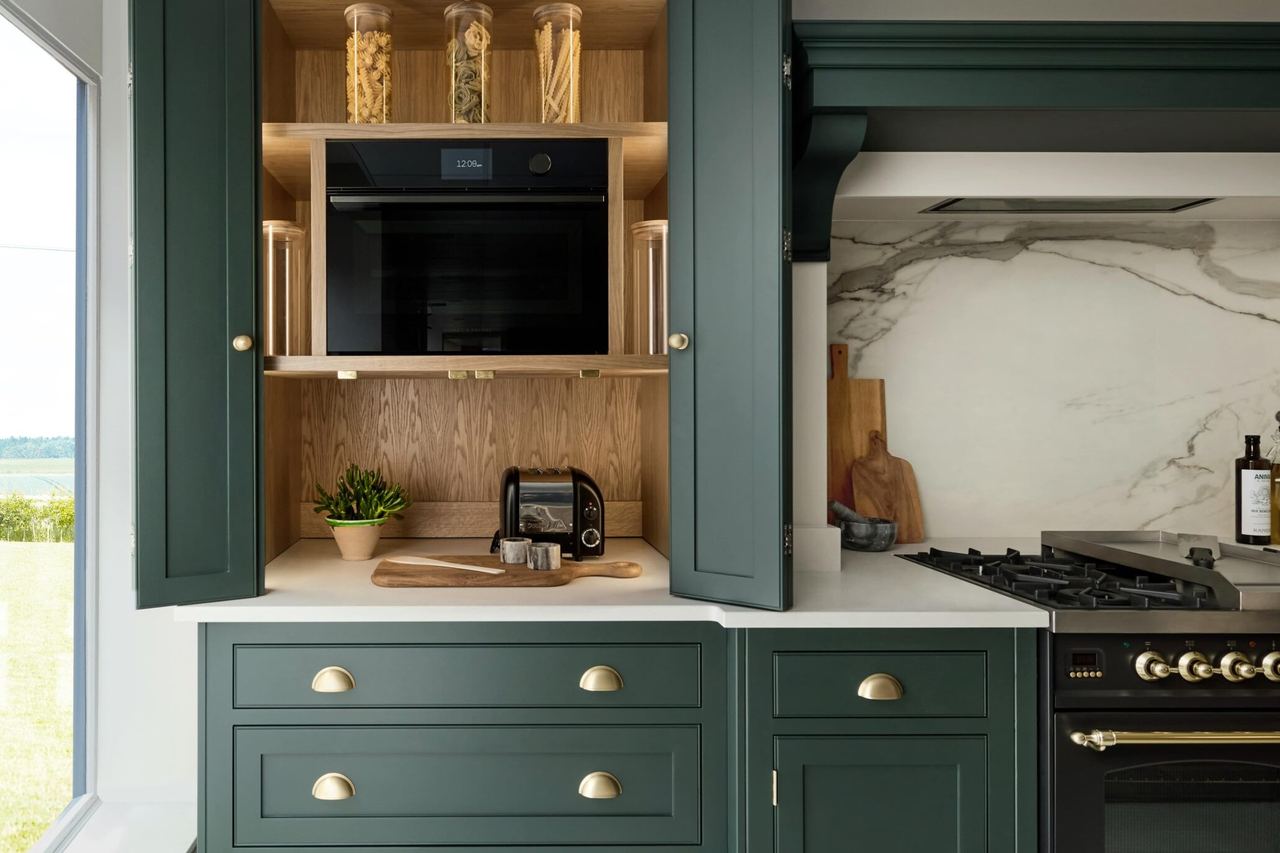
Photo Credit
Image courtesy of © Harvey JonesThe kitchen
The walk-in pantry is back, and it has brought its glass jars with it. A larder cupboard, a plate rack or a tall dresser gives a kitchen character as well as space, and keeps the worktops clear for cooking.
The pantry is back, and it has brought its glass jars with it.
Make it beautiful
Storage need not be hidden. Open shelves of books, a glazed cabinet of glassware or a dresser of favourite plates are decoration in their own right. Keep them edited, and let the cupboards take care of the rest.
Questions and answers
What is active and passive storage?
Active storage holds things used daily or weekly, within easy reach; passive storage holds things used rarely, up high or out of the way.
Where can I find extra storage space?
Alcoves beside chimney breasts, under the stairs, under beds and above doors are the usual hidden spaces.
Why it's on our list
- Be ruthless first
- Active and passive
- Find the hidden space
- The kitchen
- Make it beautiful
Location
The map comes from Google Maps, which sets its own cookies once it loads.
More in depth
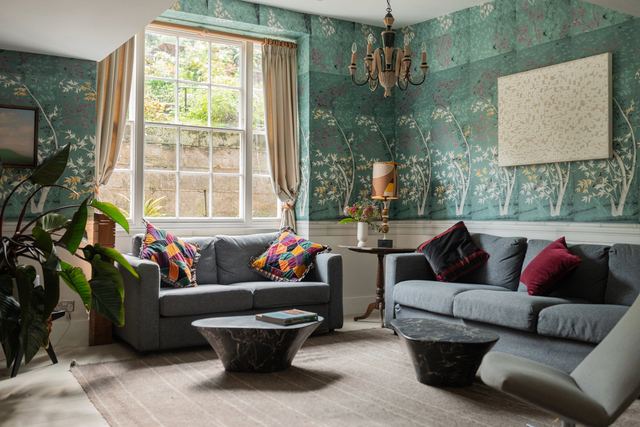 Tara’s notebookWalls: wallpaper, paint and tilesWallpaper’s comeback, tiles that last, and how to make a wall the best thing in the room.
 Tara’s notebookInto the garden: a Sussex year, midsummer to DecemberTara’s Sussex garden calendar, part two: from August’s long evenings to a wreath on the door.
 Tara’s notebookThe art of display: treasures, flowers and glassTara on mirrored trays, floating flowers, old glass and the small arrangements that make a home.