Tara’s notebook
Walls: wallpaper, paint and tiles
Wallpaper’s comeback, tiles that last, and how to make a wall the best thing in the room.
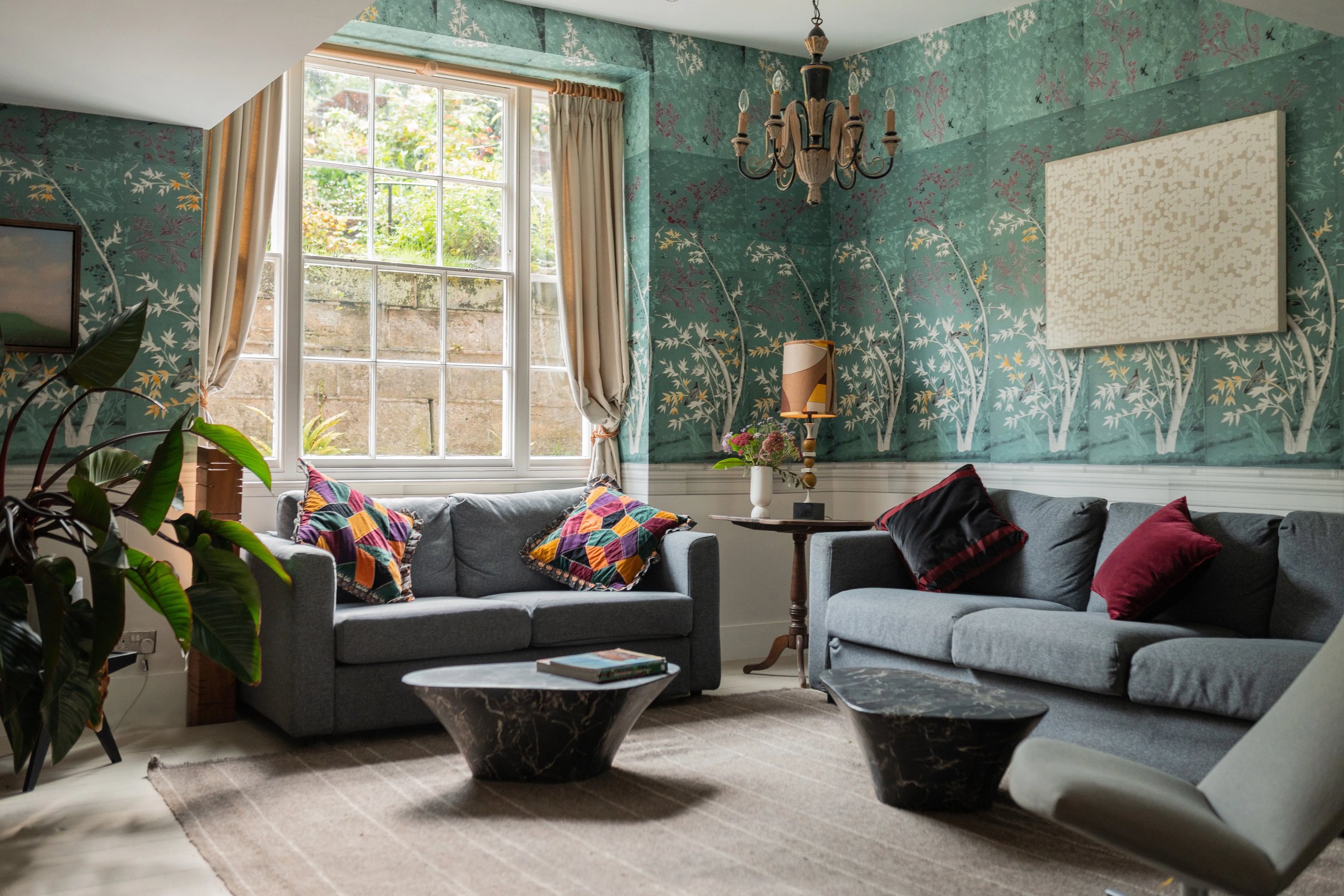
Photo Credit
Image courtesy of © The Old RectoryWalls are the biggest canvas in any room. Tara de la Motte on the return of wallpaper, from damask to chinoiserie, and on choosing tiles that will look good for as long as the house stands.
Paint is the quickest way to change a room, but wallpaper and tiles are where walls become art. Both have had their unfashionable years, and both are firmly back.
A short history of paper
In the eighteenth century, London and Paris workshops made hand-printed papers to order for the grandest houses. As printing moved from single sheets to long rolls, and then to machines in the nineteenth century, wallpaper became affordable for ordinary homes, and its first great boom began.
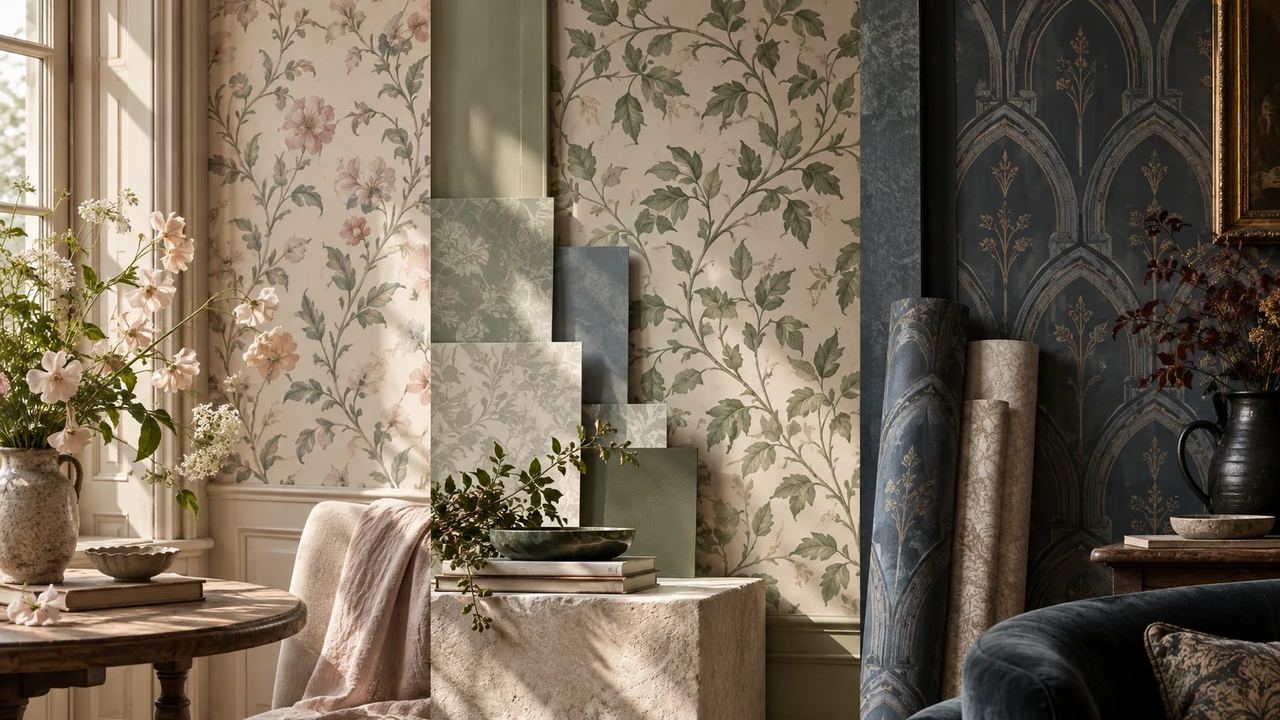
Photo Credit
Image courtesy of © Farrow & BallPatterns from the archive
Many of today’s best papers come from makers’ own archives, redrawn and recoloured for modern rooms. Damask has returned with a lighter touch, and chinoiserie, with its birds, branches and pavilions, never really went away. It suits Brighton particularly well: the Royal Pavilion is the most spectacular chinoiserie interior in the country.
Where to use it
A single wall of good paper can do more for a room than a new sofa. Try a feature wall behind a bed or a sofa, a bold pattern in a small cloakroom where it can be enjoyed in passing, or a whole dining room papered for evening drama. Hand-painted and scenic papers are an investment, but nothing else gives a room such a sense of place.
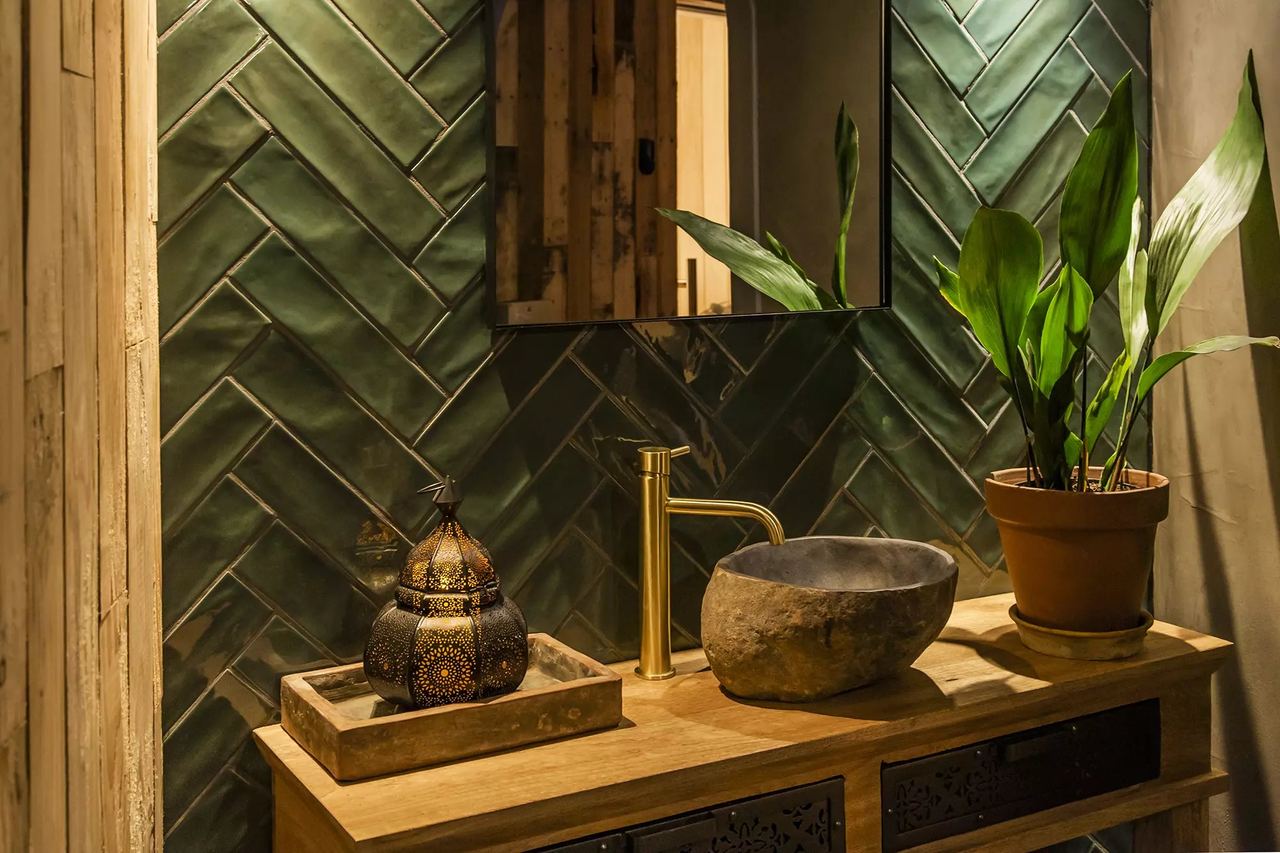
Photo Credit
Image courtesy of © The HideawayTiles: ceramic or porcelain
Tiles shrug off heat and water, which makes them ideal for kitchens and bathrooms. Ceramic tiles, made from clay fired in a kiln, are perfect for walls. Porcelain is fired harder and absorbs almost no water, half a per cent of its weight or less, so it is tough enough for busy floors and even terraces. Natural stone is beautiful but needs sealing.
A single wall of good paper can do more for a room than a new sofa.
Choosing for the room
Tiles can last as long as the house, so choose colours and finishes that will still please you in twenty years. Think about wear: a hall floor takes far more than a bathroom wall. Handmade and glazed tiles bring texture and colour; large plain tiles make a small room look bigger; patterned encaustic-style floors are a classic that never seems to date.
Questions and answers
What is the difference between ceramic and porcelain tiles?
Porcelain is fired harder and absorbs 0.5% of its weight in water or less, so it is tougher and suits floors; ceramic is ideal for walls.
Where does wallpaper work best?
On a feature wall behind a bed or sofa, in a small cloakroom, or across a whole dining room for evening drama.
Why it's on our list
- A short history of paper
- Patterns from the archive
- Where to use it
- Tiles: ceramic or porcelain
- Choosing for the room
Location
The map comes from Google Maps, which sets its own cookies once it loads.
More in depth
 Tara’s notebookInto the garden: a Sussex year, midsummer to DecemberTara’s Sussex garden calendar, part two: from August’s long evenings to a wreath on the door.
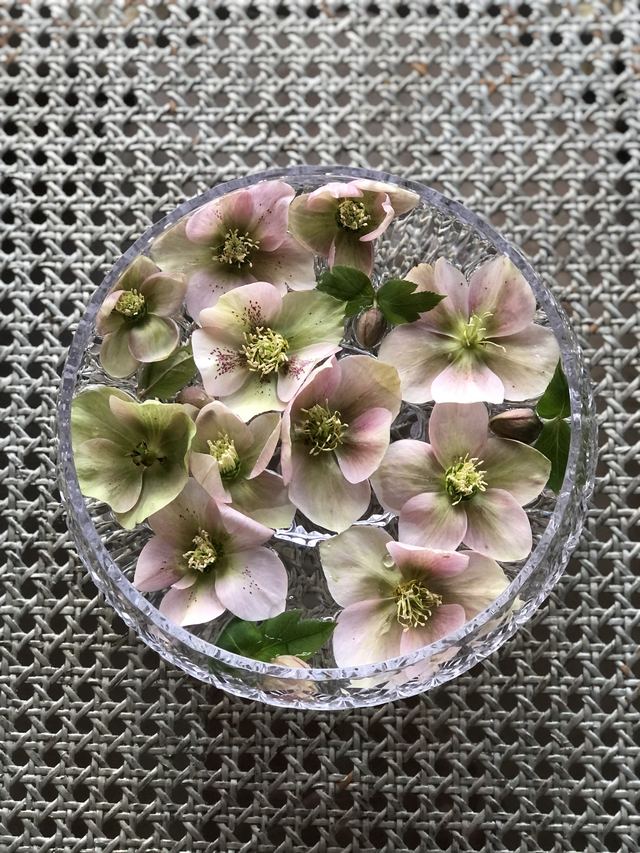 Tara’s notebookThe art of display: treasures, flowers and glassTara on mirrored trays, floating flowers, old glass and the small arrangements that make a home.
 The back storyBuying antiques: hallmarks, auctions and the rules worth knowingHow to read a hallmark, bid at auction, judge a dealer and steer clear of ivory: a buyer’s guide.