Tara’s notebook
Into the garden: a Sussex year, midsummer to December
Tara’s Sussex garden calendar, part two: from August’s long evenings to a wreath on the door.
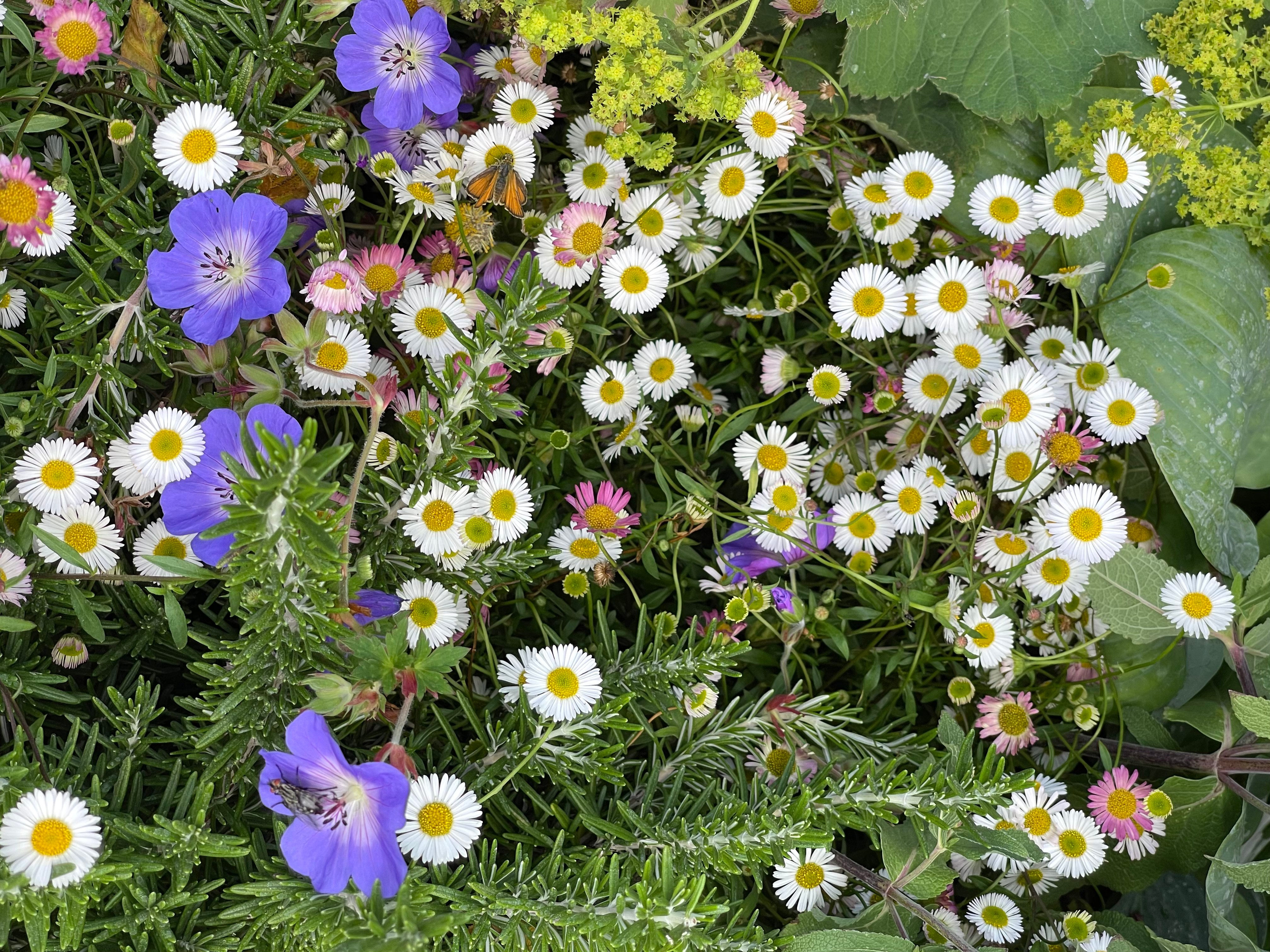
Photo Credit
Image courtesy of © Tara de la MottePart two of Tara de la Motte’s garden year picks up where midsummer leaves off. August is for enjoying what you have grown, September for the late border and the spring bulbs, October for bringing the garden indoors, November for stillness and December for the wreath, with the jobs that set up next spring tucked in between.
The second half of the gardening year has a different rhythm. The rush of spring is over, the borders are full, and the work turns from making things grow to enjoying them, saving them and putting the garden gently to bed. On the Sussex coast, where frosts come late and the sea keeps the air soft, that slow wind-down can last well into November.
August
August is high summer, and Tara’s advice is simply to enjoy it while it lasts. Keep annuals flowering by deadheading, feeding and watering them, clip hedges and shrubs so the garden looks tended, and order autumn bulbs. Then give the insects something to do: buddleia, the butterfly bush, flowers from mid to late summer in white, blue, pink and mauve, and lavender, scabious, verbena, phlox and even thyme are all rich in nectar.
No border? Plant them in big patio pots and the butterflies will still find you. Then wander round at dusk when the scent is strongest, eat outside while you can, and keep a notebook of what worked. The best gardening decisions of next year are made in August, mostly from a deckchair.
September
Summer fades, but the September border is still a riot of colour. Tara’s treats of the month are Japanese anemones in pinks and pure white, tall Verbena bonariensis, Echinacea purpurea and Rudbeckia ‘Goldsturm’, whose black-eyed daisies flower on through autumn and into winter if the weather is kind. Leave the verbena heads standing and they will seed themselves for next year; leave other seed heads for the birds.
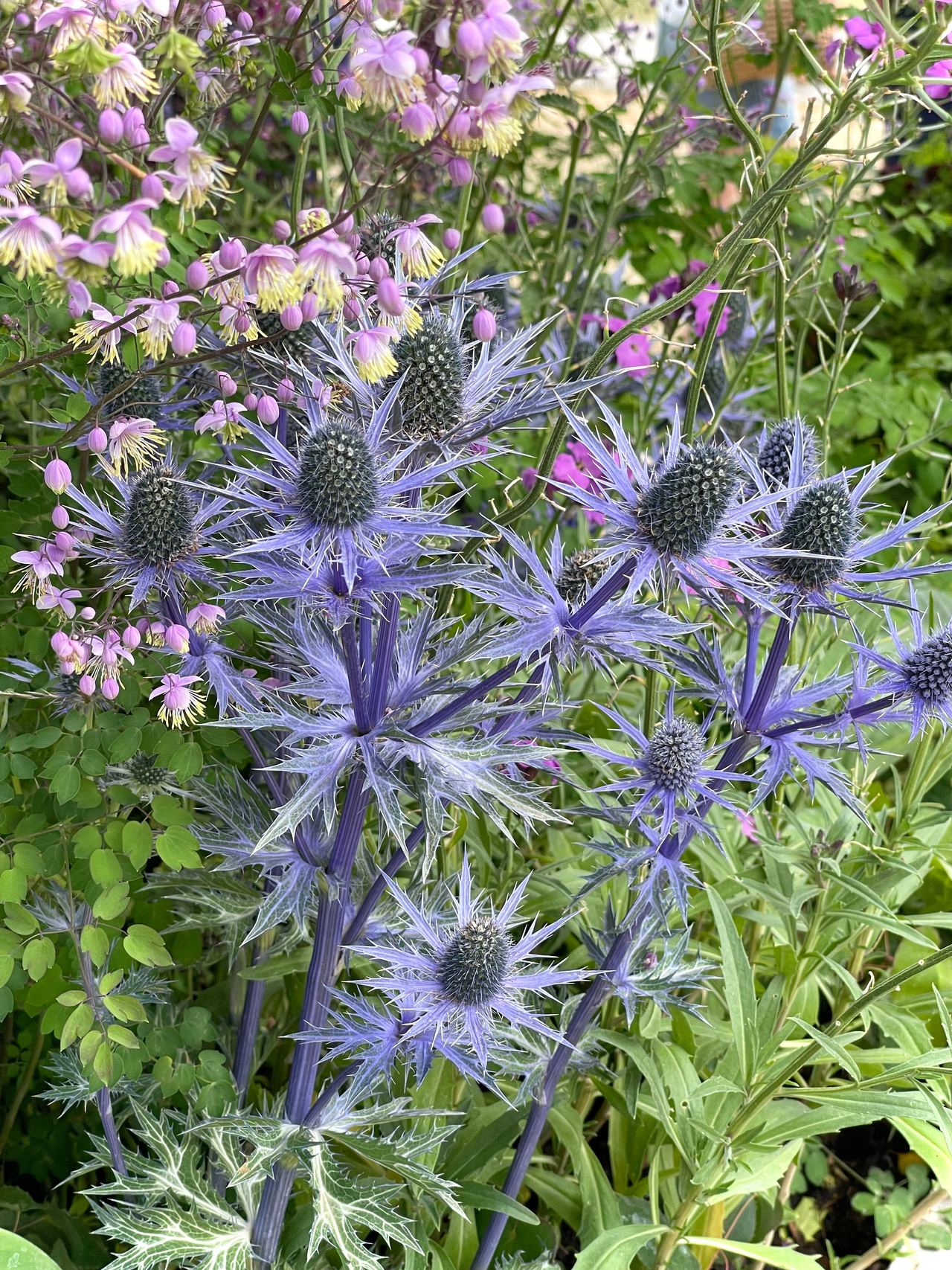
Photo Credit
Image courtesy of © Tara de la Motte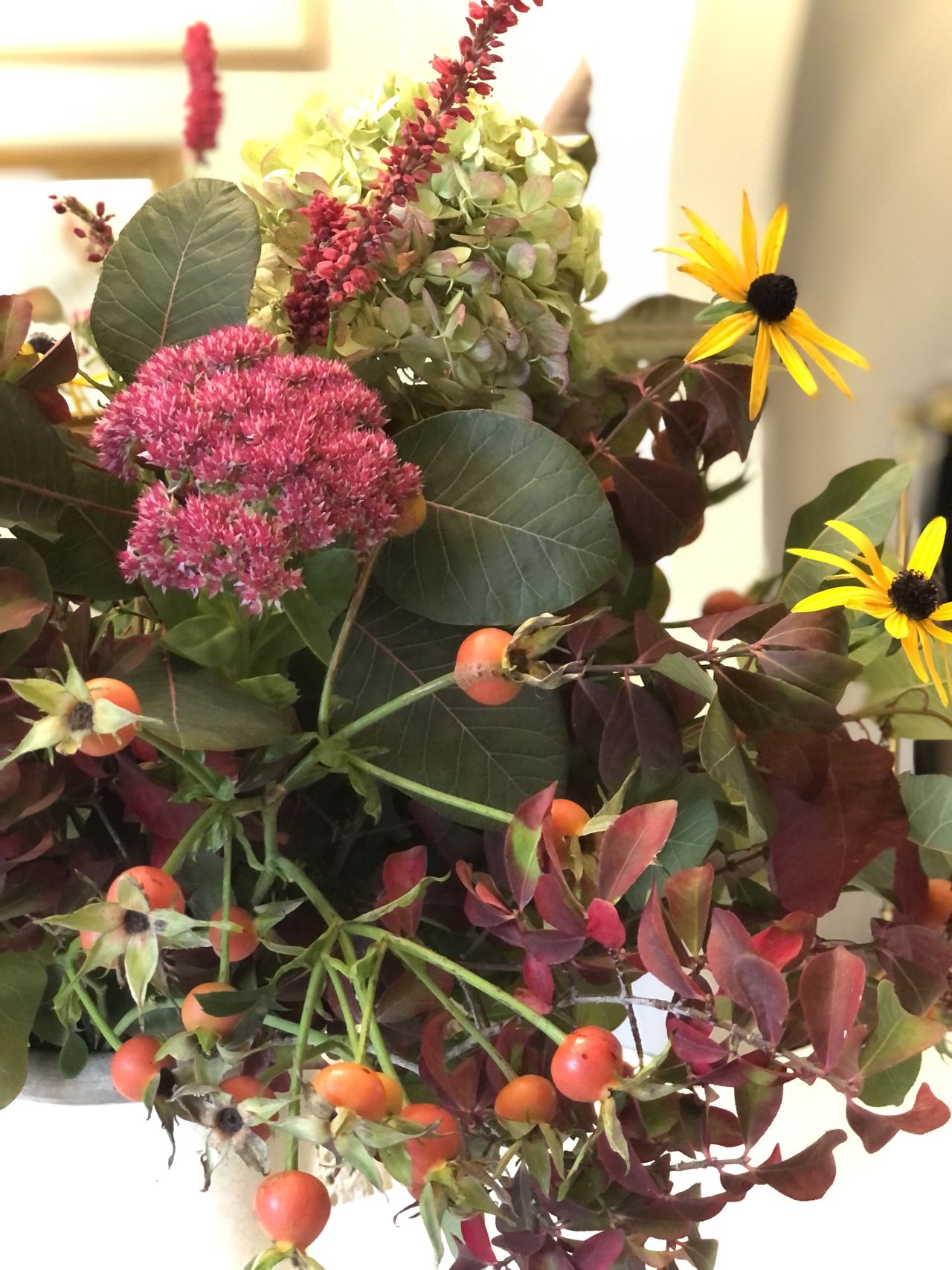
Photo Credit
Image courtesy of © Tara de la Motte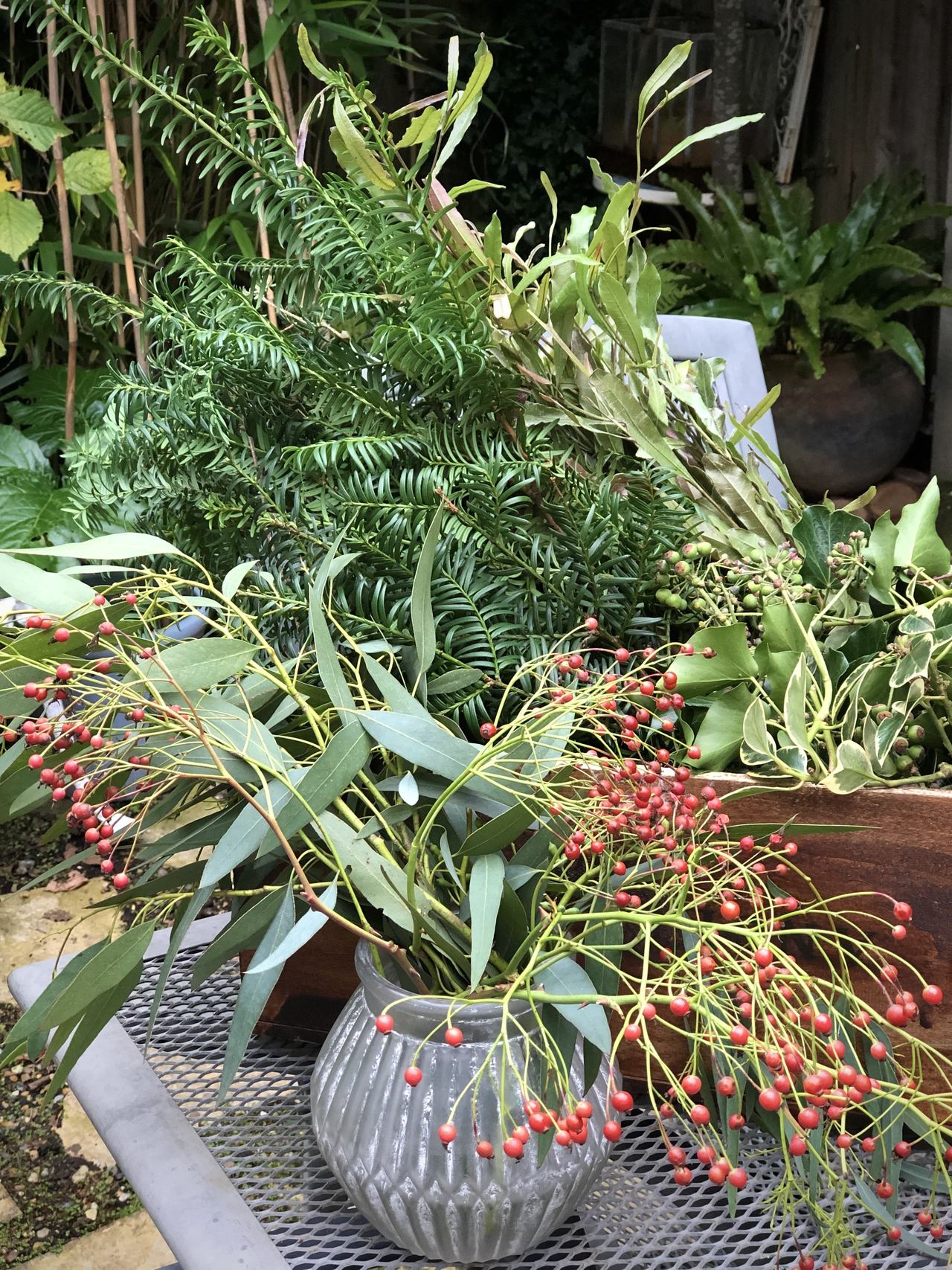
Photo Credit
Image courtesy of © Tara de la Motte
Photo Credit
Image courtesy of © Tara de la MotteThis is bulb time. Plant crocuses, daffodils and hyacinths while the ground is warm, but hold tulips back until late October or November. For a spring pot, plant the tulips first and deepest, then forget-me-nots and wallflowers on top. Sow a new lawn, move evergreens with plenty of compost, take cuttings of fuchsias, and give wooden furniture a coat of preservative before the rain. Roses often flower again, and their hips glow like jewels long after.
October
Autumn ends, in Tara’s words, in a blaze of golden hues: reds, golds and burnt orange in the trees, and berries glistening on the branches. It is also the start of the planting season. Keep planting bulbs, plant evergreens and bare-root roses and water them until they settle, and replant summer pots around an evergreen centrepiece with seasonal bedding. Mow high, scarify and feed the lawn, and lift tender perennials into pots in a sheltered spot.
By August the hard work is done. The only sensible job left is to sit in the garden with a glass and admire it.
Then bring the season indoors. Cut branches of crab apple heavy with fruit, sprays of rose hips, hydrangea heads turning parchment and plum, and the last dahlias and rudbeckias, and fill a big jug. A scatter of miniature pumpkins and gourds down the table finishes the look. Rake up the fallen leaves and pile them in a wire cage or bags with a few holes: in a year or two they rot down into leaf mould, the best free soil improver there is.
November
November has a stillness of its own, the feeling that nature is slowing down, and Tara thinks we should take the hint. The garden is stripped of summer except, in a mild coastal year, for the dahlias, which keep flowering until the first frost blackens their leaves.
When it does, decide their winter. In cold, heavy ground lift the tubers, let them dry and store them somewhere frost-free; in a mild, well-drained Sussex garden many people leave them in place under a thick blanket of mulch. This is also the start of the bare-root season, the cheapest and best time to plant roses, hedging and fruit trees.
December
December begins on the front door. Tara makes her own wreath every year from the garden: armfuls of evergreens and berried branches, cut and laid out on the patio, bound onto a ring of moss. It is messy, it takes an afternoon, and it looks better than anything bought.
The rest of the month asks little. Prune apple and pear trees while they are dormant, keep the bird feeders and water full, and check the stored dahlias now and then. Then bring a few sprigs of holly and ivy indoors, light the candles, and start reading the seed catalogues. January, and part one of this calendar, is only weeks away.
Questions and answers
How do you plant a layered spring pot?
Plant tulip bulbs first and deepest, in October or November, then forget-me-nots and wallflowers on top.
Should you lift dahlias for the winter?
Lift and store them frost-free after the first frost in cold or heavy ground; in mild, well-drained gardens they can stay in the ground under a thick mulch.
When do you plant tulip bulbs?
Later than other spring bulbs: in October and November, once the soil has cooled.
Why it's on our list
- August
- September
- October
- November
- December
Location
The map comes from Google Maps, which sets its own cookies once it loads.
More in depth
 Tara’s notebookThe art of display: treasures, flowers and glassTara on mirrored trays, floating flowers, old glass and the small arrangements that make a home.
 The back storyBuying antiques: hallmarks, auctions and the rules worth knowingHow to read a hallmark, bid at auction, judge a dealer and steer clear of ivory: a buyer’s guide.
 The back storyUpcycling furniture safely: old paint, woodworm and fire labelsBefore you sand that junk-shop chest: lead paint, woodworm and fire labels for upholstery.