The back story
A wildlife-friendly garden: hedgehogs, ponds and bird-friendly habits
A hole in the fence, a pond, no pellets and a longer lawn: simple ways to bring a garden alive.
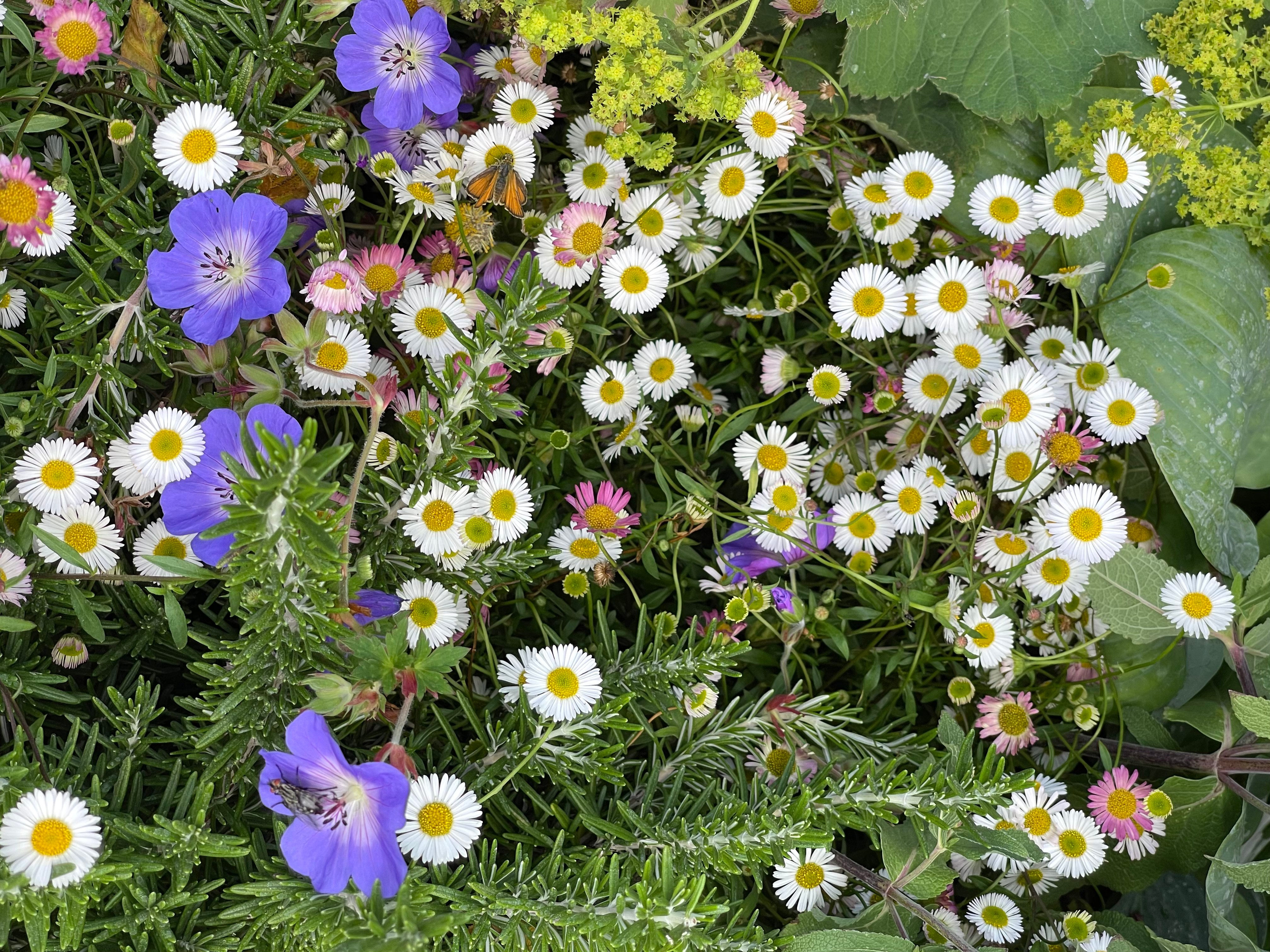
Photo Credit
Image courtesy of © Tara de la MotteA garden can be beautiful and alive at the same time. A few small changes, most of them free, turn a tidy plot into a home for hedgehogs, frogs, bees and birds. Even a city courtyard in Brighton can play its part in a network of green spaces.
Every garden can be a small nature reserve. The changes below cost little, and most of them mean doing less work, not more.
Open the borders
Hedgehogs travel from garden to garden at night and are now classed as vulnerable in Britain. Walls and close-board fences stop them. A gap about 13 centimetres square at the bottom of a fence, agreed with your neighbour, links your garden to the next: a hedgehog highway.
Lose the pellets
Slug pellets kill the creatures that hedgehogs, thrushes and frogs eat. Metaldehyde pellets have been banned in Britain since 2022, and conservation charities advise avoiding pellets and pesticides altogether. A healthy garden keeps its own slugs in check.
Add water
Nothing brings wildlife faster than a pond. Give it one gently sloping side so creatures can climb in and out, fill it with rainwater if you can, and leave out the fish, which eat tadpoles. Even a sunken washing-up bowl helps.

Photo Credit
Image courtesy of © Neil Owen · CC BY-SA 2.0 via Wikimedia CommonsLet the lawn grow
Plantlife’s No Mow May campaign asks gardeners to leave the mower in the shed for a month and let lawn flowers bloom. Better still, keep part of the lawn long all summer and mow only a path through it.
The most useful thing in a wildlife garden may be a small hole in the fence.
Feed birds the new way
The RSPB updated its feeding advice in 2026 to reduce the spread of disease: pause seed and peanuts from May to October, avoid flat bird tables, and clean feeders weekly. Clear out nest boxes from September, once they are empty, as active nests are protected by law.
Plant for pollinators
Choose plants on the RHS Plants for Pollinators lists: lavender, crab apples, sedums, ivy and honeysuckle among them, and single rather than double flowers. Leave some seed heads standing over winter and a log pile in a quiet corner, and the garden will feed itself.
Questions and answers
How big should a hedgehog hole be?
About 13 cm by 13 cm, at the foot of a fence or wall, agreed with your neighbour.
Should I feed garden birds all year?
The RSPB now advises pausing seed and peanuts from May to October, avoiding flat feeders and cleaning feeders weekly.
Why it's on our list
- Open the borders
- Lose the pellets
- Add water
- Let the lawn grow
- Feed birds the new way
- Plant for pollinators
Location
The map comes from Google Maps, which sets its own cookies once it loads.
More in depth
 Tara’s notebookBrighton’s Art Deco legacyEmbassy Court, the Ocean Hotel, Saltdean Lido and an airport: the coast’s 1930s glamour.
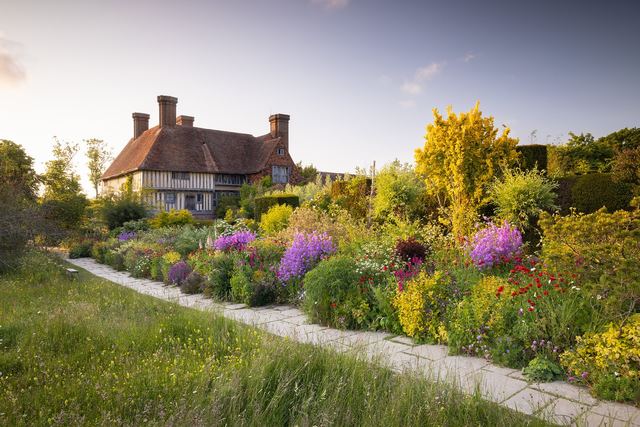 Tara’s notebookInto the garden: a Sussex year, January to midsummerTara’s month-by-month notes for a Sussex garden, from snowdrops to the long evenings of July.
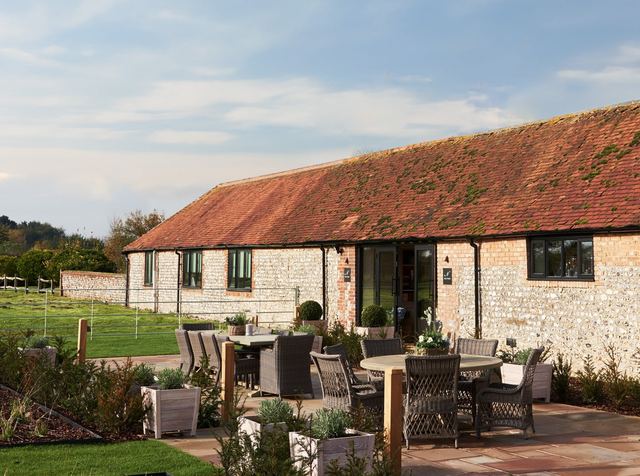 Tara’s notebookAl fresco: making a room outdoorsHow to turn a garden, patio or balcony into an outdoor room for long summer evenings.