AI
Self-driving cars: who is really behind the wheel
Waymo, Tesla, Zoox, Baidu and Wayve: where to ride without a driver, and what is still promised.
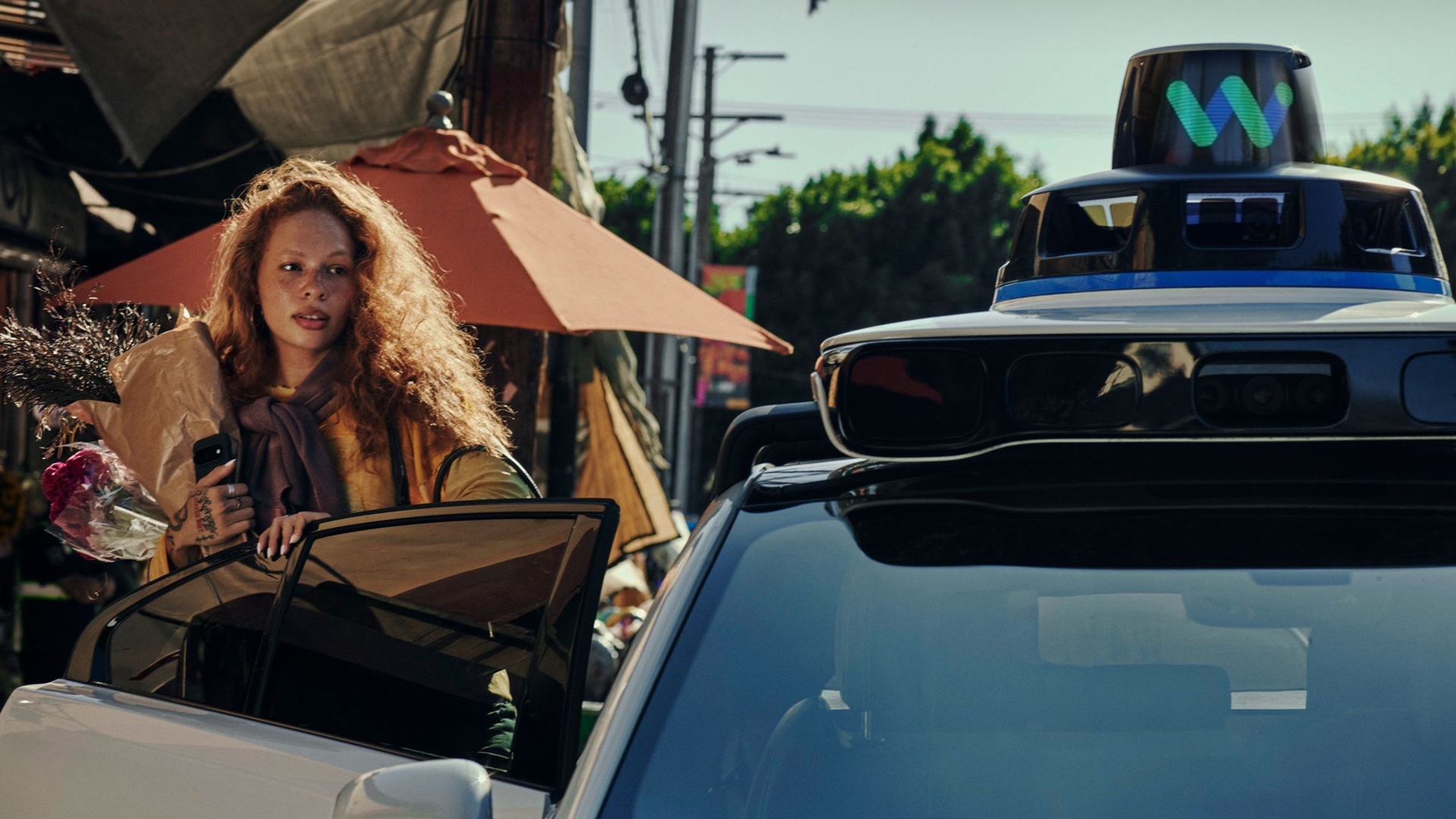
Photo Credit
Image courtesy of © WaymoIn a growing list of American cities, the taxi that pulls up at the kerb has nobody in the front seat and a crown of sensors on the roof. We explain the levels of autonomy, who runs what and where, the Tesla story told straight, and whether a traveller can take a driverless ride in Miami, Los Angeles, San Francisco or London today.
The empty driver’s seat
The first minute is the strangest. The car arrives, unlocks itself, and the steering wheel turns on its own as it pulls away, as though driven by a polite ghost. By the third junction most passengers are looking at their phones. That speed of acceptance is the real story of self-driving in 2026: the technology has moved from science fiction to something people use to get to dinner, in some cities and not yet in others.
The levels, briefly
Engineers use a six-step scale from SAE International. Levels 0 to 2 are driver support: at Level 2 the car can steer, brake and accelerate, but you must watch the road at all times. At Level 3 the car drives in limited conditions and asks you to take over when needed. At Level 4 no human driver is needed within a defined area and set conditions, which is where today’s robotaxis sit.
Level 5, a car that drives anywhere a person can, is still a destination, not a product.
Waymo: the long apprenticeship
Waymo, part of Google’s parent Alphabet, is the most widely available driverless service. Its own help pages list rides in Dallas, Denver, Houston, Las Vegas, Los Angeles, Miami, Nashville, Orlando, Phoenix, San Antonio, San Diego, the San Francisco Bay Area and Tampa, with Austin and Atlanta served through Uber.
It opened Miami and Orlando to all riders in April 2026, carries passengers on freeways in Los Angeles, San Francisco and Phoenix, and added Las Vegas airport pickups in October. The list now reads less like a pilot scheme than a timetable.
Waymo says that through June 2026 its cars had driven 271.3 million miles with no human driver. Comparing its record with human drivers on the same city roads, its own analysis reports 82% fewer injury-causing crashes and 95% fewer crashes with serious injury or worse. The numbers are Waymo’s own, but it publishes its methods alongside them so that others can test the sums, which is precisely the point.
Tesla: a different bet
Tesla’s approach is the mirror image. Instead of the laser scanners, or lidar, that crown a Waymo, it relies on cameras and neural networks. FSD (Supervised), its driver-assistance software, had 1.74 million active subscriptions at the end of September 2026 and is now approved in nine EU countries, though not in the UK. Tesla’s own small print is unambiguous: active driver supervision is required, and it ‘does not make the vehicle autonomous’. In engineering terms, that is Level 2.
Robotaxi is the driverless version. Tesla’s safety report of October 2026 lists six metro areas where its cars carry riders with no safety monitor inside: Austin, Dallas and Houston in Texas, and Miami, Orlando and Tampa in Florida. In the San Francisco Bay Area the service runs with a safety driver under a California permit. Purpose-built, two-seat Cybercabs began giving rides in Austin on 3 September 2026.
Las Vegas, Jacksonville, Phoenix and San Antonio are listed as coming soon, without dates; in this industry, the dates are the hard part.
Tesla reports 3.1 million driverless miles to 18 October 2026 with zero injuries, and compares that with an estimate for human drivers on the same miles. It is Tesla’s own report and has not been independently verified. Remote operators can assist and still count towards those miles, and independent reporting, notably Electrek’s, has argued that the unsupervised fleet is much smaller than the maps suggest.
Tesla says it is targeting round-the-clock Robotaxi operation by the end of 2026.
Zoox: no steering wheel at all
Amazon’s Zoox skipped the retrofit altogether. Its vehicle looks like a carriage designed by a toaster maker: no steering wheel or pedals, four seats facing each other, and the ability to drive in either direction. Federal regulators granted it an exemption from rules requiring human controls, and on 10 August 2026 Zoox began charging fares in Las Vegas, its first paid service.
In parts of San Francisco it still carries the public without charging a fare. Zoox says nearly a million riders have used it across Las Vegas, San Francisco, Austin and Miami.
Baidu Apollo Go: the scale player
China’s leading contender is Baidu, whose Apollo Go service reached 30 cities by October 2026, and its fleets have logged more than 390 million autonomous kilometres in all. Fully driverless rides in Shenzhen rose by about 170% in a single quarter, and in Dubai the company doubled its driverless fleet and widened its area. In London, Baidu is testing on open roads with both Uber and Lyft, which tells you where the next contest will be fought.
In Miami, Los Angeles and San Francisco the driverless taxi is an app away; in London, for now, someone still sits behind the wheel.
London: Wayve and Waymo
London is the hardest exam on the syllabus: medieval street plans, bus lanes, black cabs and cyclists with opinions. Wayve, a London company, launched with Uber on 3 September 2026: 15 licensed Ford Mustang Mach-E cars at launch, standard Uber fares, and a trained safety driver in every front seat, legally responsible for the trip.
Wayve’s ‘AI Driver’ is a single end-to-end neural network that needs no pre-built maps or lidar, relying on cameras and radar.
Waymo says it is working towards welcoming its first London passengers, and has said it aims to carry people with nobody behind the wheel by the end of 2026, subject to approval. That approval is the hinge. Driverless passenger services come under the Automated Vehicles Act 2024, whose full framework is expected later; until then, every self-driving ride in the capital has a human ready to take the wheel.
Can a traveller ride one?
Miami: yes. Waymo runs driverless rides through the Waymo app, open to everyone since April 2026, and Tesla’s Robotaxi operates without a safety monitor in parts of the metro area. Los Angeles: yes, with Waymo, including some freeway journeys. San Francisco: yes, with Waymo across the Bay Area; Zoox carries riders without a fare in parts of the city, and Tesla’s ride-hailing there has a safety driver.
London: you may be matched with a Wayve car when booking an UberX, Uber Electric or Uber Comfort, but there will be a safety driver on board.
The Tesla revolution, told straight
Whatever one thinks of its timelines, Tesla changed the car industry. It made electric cars desirable rather than worthy, and in the third quarter of 2026 it built its ten millionth vehicle. Its factories in Fremont, Shanghai, Berlin and Texas have installed capacity for well over two million cars a year, and it has begun volume production of the Semi truck.
Its most copied idea is the over-the-air update: a car that gains features while parked in the garage overnight, like a phone with wheels.
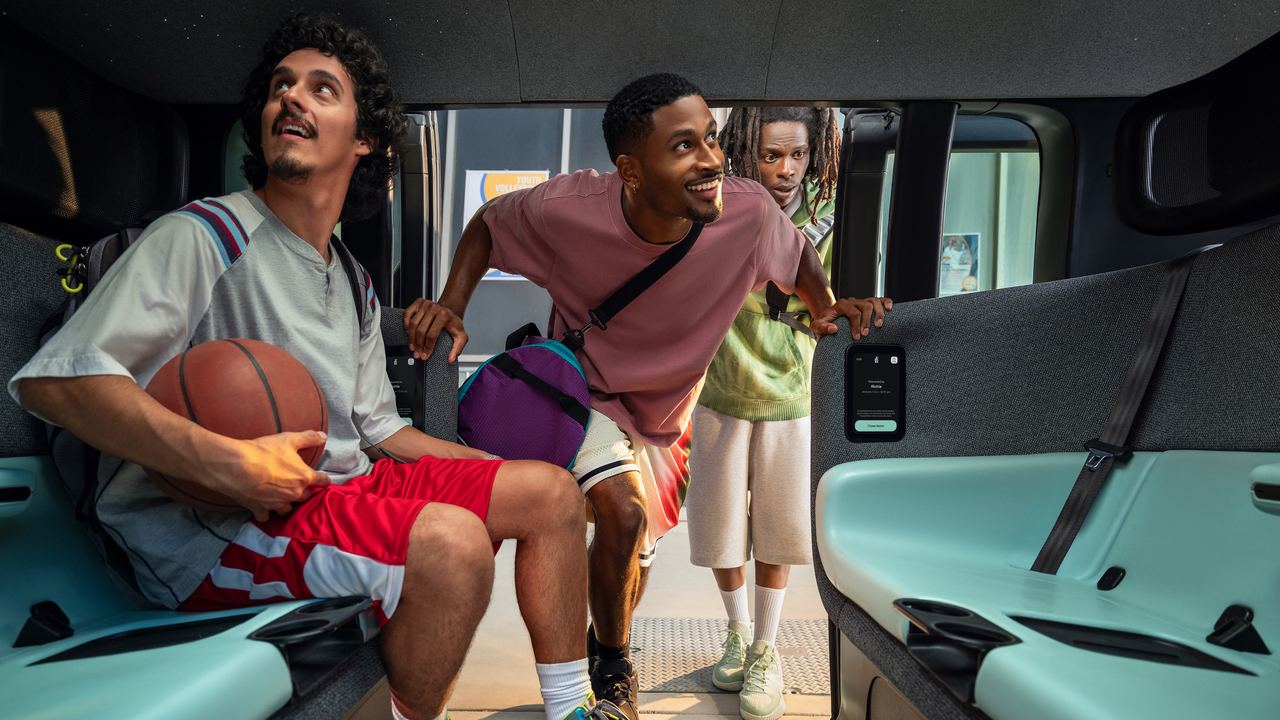
Photo Credit
Image courtesy of © ZooxThere is a telling detail in Tesla’s 2026 reports. The Fremont lines that built the Model S, the car that made the company’s name, have been retired to make room for Optimus robots. It is hard to imagine a starker statement of intent, and it sums up the company’s wager: that the next decade’s value lies less in selling cars than in the software that drives them and the machines that build them.
The safety debate
How safe is safe enough? In 2016 the RAND Corporation calculated that proving a self-driving car is 20% safer than humans on fatalities, with statistical confidence, would take about 11 billion miles of driving, which is why it argued road testing alone could never settle the question. Waymo’s injury data is now substantial; its fatality data, by that yardstick, is still young.
Supporters point out that human drivers set a low bar; sceptics reply that a machine’s failures are different in kind, not just in number.
Supervised systems raise their own question: whether people stay alert when the car does most of the work. In October 2025 the US National Highway Traffic Safety Administration opened a preliminary evaluation covering nearly 2.9 million Tesla vehicles with FSD, after 58 reports of incidents including red lights and wrong-way lanes. An investigation is not a finding.
But it explains why regulators, from NHTSA to Transport for London, are moving one licence at a time.
What really changes
For travellers, the near-term change is practical: an airport run at 2am with no conversation required, a car that cannot be tired or tipsy, and, according to Waymo’s own rider data, a sense of personal safety that more than half of its women riders say has improved. For cities, the larger questions remain open: whether robotaxis reduce car ownership or simply add traffic, and who pays when a machine errs. The evidence is not in yet, and honest companies say so.
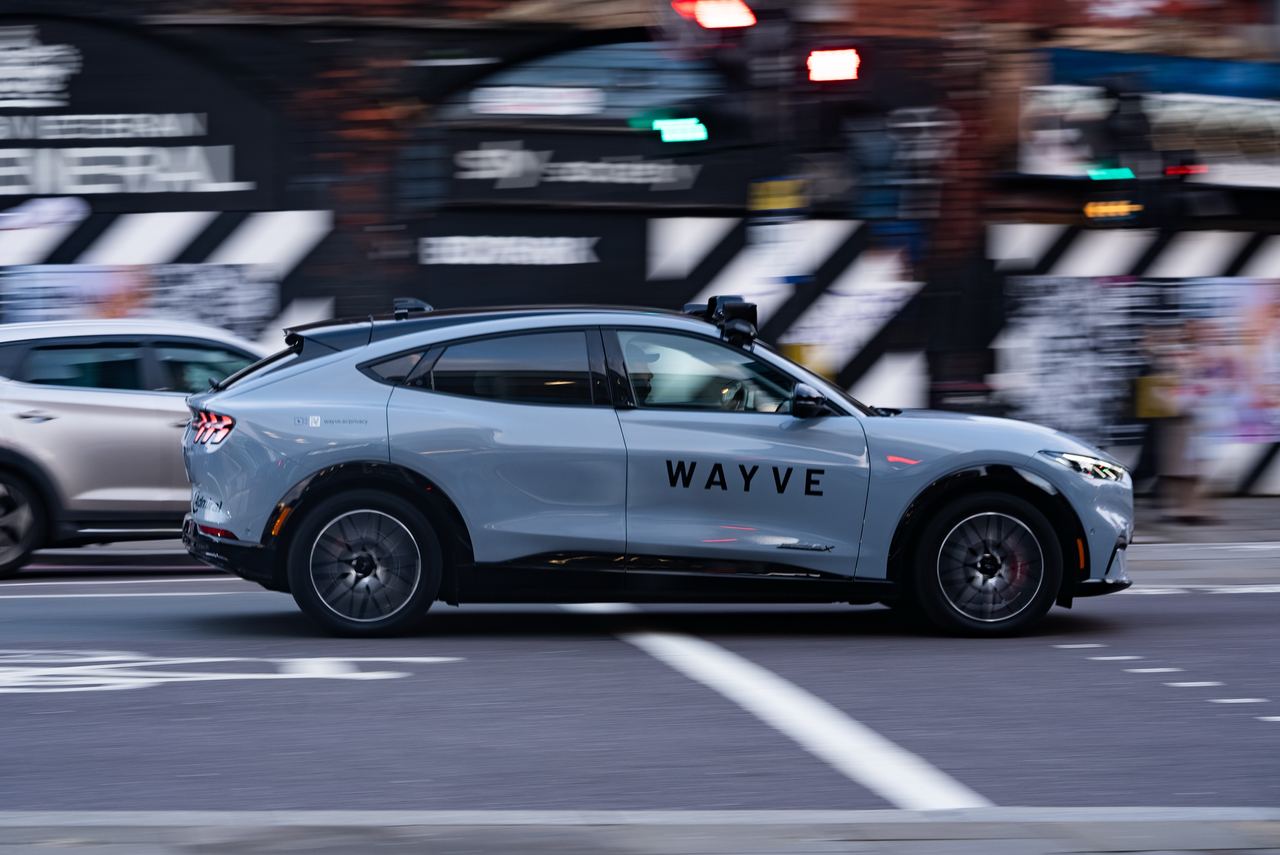
Photo Credit
Image courtesy of © WayveWhat to watch next
Three things to watch over the next year. Will Waymo carry its first driverless passengers in London, as it hopes, and will Tesla meet its own targets of 24-hour Robotaxi service and unsupervised driving for some customer cars, which a Tesla executive suggested could come around the second quarter of 2027? And will Zoox win the approvals it needs to charge fares beyond Las Vegas?
The empty driver’s seat has arrived; the question now is how many cities will keep it empty.
Why it's on our list
- The levels of autonomy explained
- Waymo’s 15 US metro areas
- Tesla FSD and Robotaxi, verified
- Zoox, Baidu Apollo Go and Wayve
- Riding one in Miami, LA, SF, London
- The safety debate, both sides
Location
The map comes from Google Maps, which sets its own cookies once it loads.
More in depth
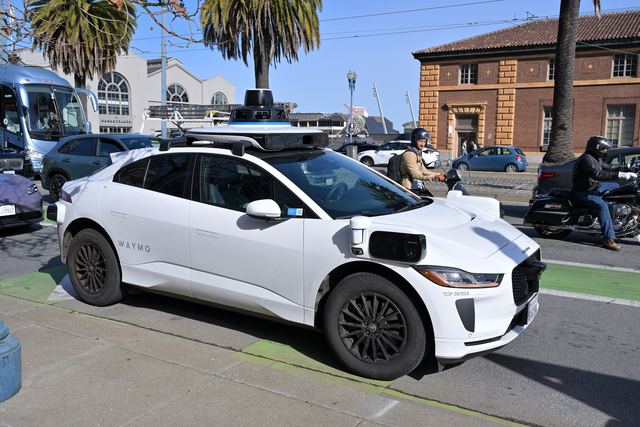 AIAI and everyday life: what changes for youPhones, driverless taxis, homes, jobs, learning and travel: how AI helps, and how to use it well.
 AIWill AI wipe us out? What the experts really thinkThe case for alarm, the case for calm, what the evidence shows and what is being done on safety.
 HistoryThe history of AI: from Turing to ChatGPTTuring, Dartmouth, ELIZA, two AI winters, Deep Blue, AlphaGo, transformers and the ChatGPT era.