AI
AI and everyday life: what changes for you
Phones, driverless taxis, homes, jobs, learning and travel: how AI helps, and how to use it well.
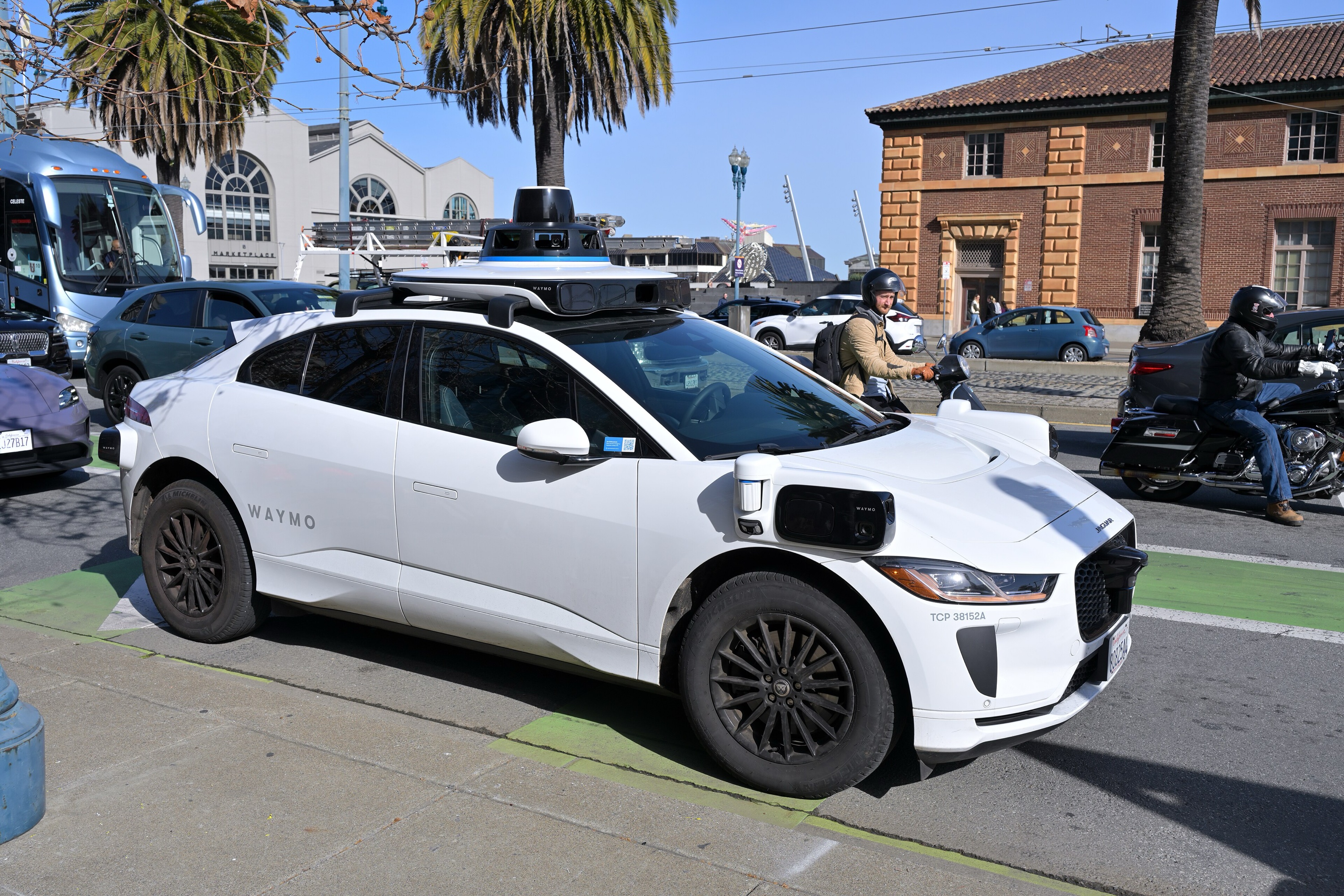
Photo Credit
Image courtesy of © 4300streetcar, CC BY 4.0, via Wikimedia CommonsArtificial intelligence has slipped out of the chat window and into the phone, the taxi, the kitchen and the office, usually without asking. Here is what it already does for the everyday person, what the most careful studies say about jobs, and a few plain rules for getting the best from it.
Already in your pocket
Most people met artificial intelligence long before they typed a question into a chatbot. It sorted their photographs by face, finished their sentences and steered them round traffic jams. What has changed since chatbots arrived is that the machine now talks back in full sentences, and increasingly acts on our behalf. The interesting question is no longer whether you use AI, but how much of your day you are willing to hand to it.
The phone is where it arrives first. Apple’s iOS 26 builds Live Translation into Messages, FaceTime and the Phone app, using Apple’s own models that run entirely on the device. Call Screening asks unknown callers who they are before the phone rings, and Hold Assist tells you when a human finally picks up, a small mercy for anyone who has spent an afternoon with a bank’s hold music. Visual intelligence lets you search or act on whatever is on the screen.
Google’s answer reaches beyond its own hardware. In December 2025 it began a beta of live speech translation in Google Translate that works with any pair of headphones and more than 70 languages, starting on Android in the US, Mexico and India. In January 2026 it gave Gemini in Chrome an “auto browse” mode for AI Pro and Ultra subscribers in the US, able to take on chores such as restaurant reservations while asking permission before it acts. Google calls the feature experimental, and means it.
On the road
The most visible AI in daily life has nobody in the driver’s seat. Waymo’s robotaxis carry paying passengers in a growing list of American cities; by March 2026 the company was reported to be giving 500,000 paid rides a week, and its co-chief executive has set a goal of more than a million a week by the end of the year. The steering wheel turns on its own, and passengers, after the first five minutes, tend to forget to be astonished.
Is it safe? Waymo’s own analysis of more than 270 million miles driven with no human at the wheel, to June 2026, reports 95 per cent fewer crashes causing serious injury or worse than human drivers in the same cities, and 93 per cent fewer injury crashes involving pedestrians.
These are the company’s figures, compared with average human crash rates rather than identical journeys, though an independent peer-reviewed study of its first 56.7 million miles also found significantly lower crash rates.
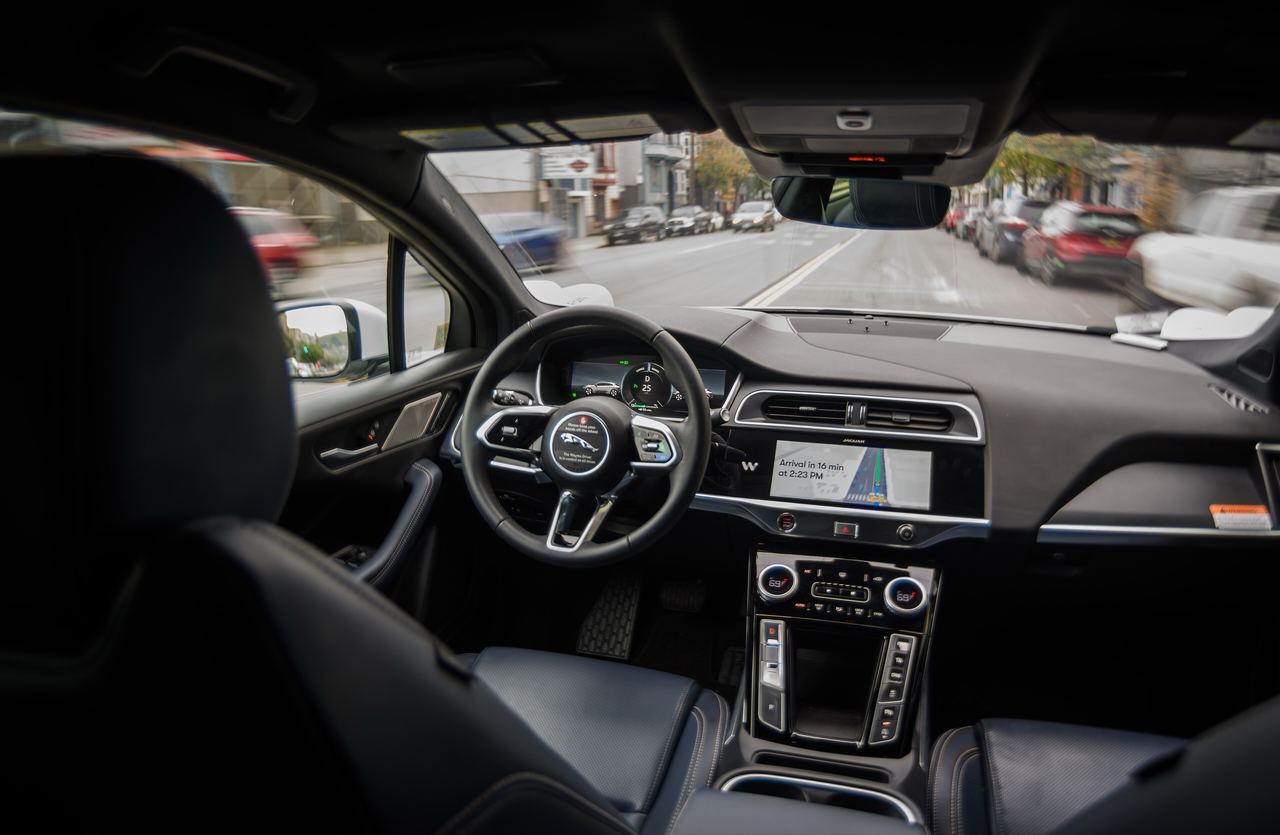
Photo Credit
Image courtesy of © 9yz, CC BY-SA 4.0, via Wikimedia CommonsLondon is next on the list, but not yet on the menu. Waymo has been testing there with a trained specialist on board and says it is not yet offering commercial rides; a launch needs national approval from the Department for Transport and the consent of Transport for London. When it comes, it will be the company’s first city outside the United States.
At home and in front of your eyes
The voice assistant is getting a second education. Amazon’s Alexa+, rebuilt around generative AI, reached the UK as an invitation-only early-access service in March 2026, its first European market after the US, Canada and Mexico. The promise is an assistant you can talk to as you would to a person, rather than one that needs its commands in a particular order.
Whether you want a kitchen speaker that remembers your preferences is worth deciding deliberately, not by default.
The next screen may sit in front of your eyes. Meta’s Ray-Ban Display glasses, from £749 in the UK and $799 in the US, place a small display inside the lens that shows messages, live captions, translations and walking directions. They are controlled by a wristband that reads the faint electrical signals of the finger muscles. For anyone who has walked into a lamp post while following a map, the appeal needs no explanation.
At work: what the studies say
The big question is work, and the evidence is calmer than the headlines. In January 2024 the International Monetary Fund estimated that almost 40 per cent of employment across the world is exposed to AI, rising to about 60 per cent in advanced economies, and that roughly half of the exposed jobs could gain from higher productivity.
In May 2025 the International Labour Organization, working with Poland’s NASK, put the share exposed to generative AI at one job in four, and 34 per cent in high-income countries.
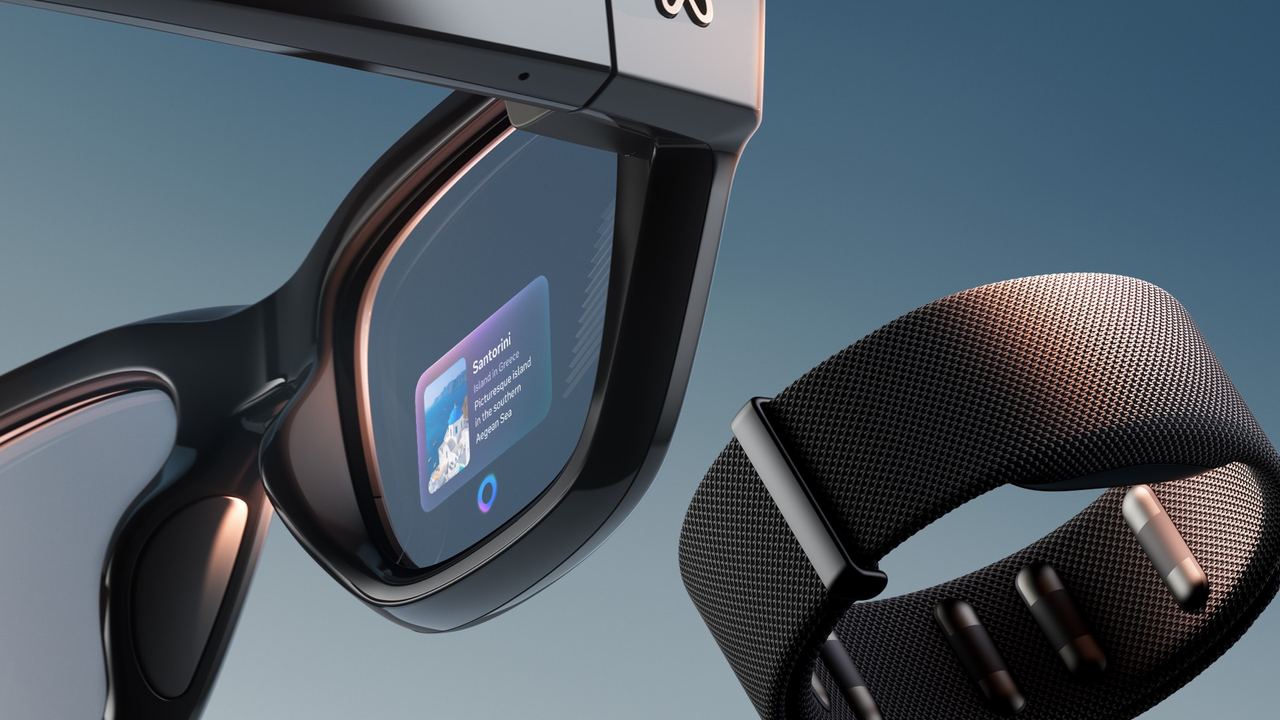
Photo Credit
Image courtesy of © MetaDifferent rulers, same direction: the richer the economy, the further AI reaches into its work. But exposure is not the sack. The ILO stresses that most exposed jobs are more likely to be transformed than replaced: only 3.3 per cent of jobs fall into its highest category, where most tasks could in principle be done by generative AI.
Clerical work is the most exposed, and women more than men: in high-income countries, 9.6 per cent of women’s jobs fall into that top category, against 3.5 per cent of men’s.
Let AI draft, sort and translate; keep the judging, the signing and the paying for yourself.
The World Economic Forum’s Future of Jobs Report 2025, based on a survey of more than 1,000 large employers, expects 170 million jobs to be created and 92 million displaced by 2030, a net gain of 78 million. Technology, AI included, is one driver among several in those figures, alongside demographics, economic pressures and geoeconomic tensions. The lesson is less about the totals than the churn: a great many people will change what they do.
If there is a warning light, it flickers at the start of careers. In August 2025 the Stanford economists Erik Brynjolfsson, Bharat Chandar and Ruyu Chen, using payroll data from ADP, found that workers aged 22 to 25 in the occupations most exposed to AI saw a 13 per cent relative decline in employment, concentrated where AI automates work rather than assists it.
The International AI Safety Report of February 2026 found no significant effect on overall employment so far, but flagged the same risk to junior workers.
That raises a question worth asking of any job, your own included: which parts would you happily hand over, and which parts are the reason you do it? The tasks AI does well, drafting, summarising and sorting, are often the very tasks through which beginners once learned the trade. If the bottom rung of the ladder is automated, employers will need new ways to train the people who will one day check the machine’s work.
Learning with a patient tutor
In education, AI’s best role may be the tutor who never sighs. ChatGPT’s study mode, launched in July 2025, and Gemini’s Guided Learning, which followed in August, are both designed to lead a student through a problem step by step rather than hand over the answer.
In a randomised trial at Harvard, published in Scientific Reports in June 2025, physics students taught by a carefully designed AI tutor learned more, in less time, than in an active-learning class.
The authors were careful to add that an AI tutor should not replace in-person teaching, and the caveat matters. A tutor built to ask questions is a different animal from a chatbot that will cheerfully write the essay. The difference lies less in the software than in how it is used, which is why the most useful setting on any of these tools is the one that makes you do the thinking.
Travelling with AI
For the international traveller the gains are immediate. Every current pair of AirPods offers Live Translation with a compatible iPhone: download the languages in Apple’s Translate app, press both stems together, and the other person’s words arrive in your own language. It will not make you fluent, but it may get you the right table, the right train and, on a good day, the joke.
Living well with AI
A few plain rules help. Check anything that matters: the International AI Safety Report notes that current systems can fail unpredictably and that no method yet eliminates failures entirely, and people tend to over-trust confident answers. Ask for sources, then open them: a citation nobody has clicked is decoration.
Keep private things private: before pasting in a passport number, medical letter or work document, find out what the service does with your conversations.
Let AI act for you only where you can see what it is doing, and keep the confirmation steps switched on. Be wary of perfect voices and faces, since the same report finds deepfakes ever more realistic and harder to spot; a family code word for any call asking for money costs nothing. And use AI to think with, not instead of thinking. The best of it feels less like a robot than a well-read assistant who never tires of your questions.
Why it's on our list
- AI in your phone, glasses and home
- Driverless taxis and the safety data
- Jobs: what the studies actually say
- Learning with an AI tutor
- Practical rules for using AI well
Location
The map comes from Google Maps, which sets its own cookies once it loads.
More in depth
 AIWill AI wipe us out? What the experts really thinkThe case for alarm, the case for calm, what the evidence shows and what is being done on safety.
 HistoryThe history of AI: from Turing to ChatGPTTuring, Dartmouth, ELIZA, two AI winters, Deep Blue, AlphaGo, transformers and the ChatGPT era.
 CompareClaude, ChatGPT, Gemini, Grok and DeepSeek: the AI assistants comparedFive AI assistants side by side, skill by skill: writing, code, research, privacy and price.