AI
Creative AI: the tools reshaping film, music, images and 3D
AI for creators: video, images, music, voice, scripts, 3D and film, with the copyright questions.
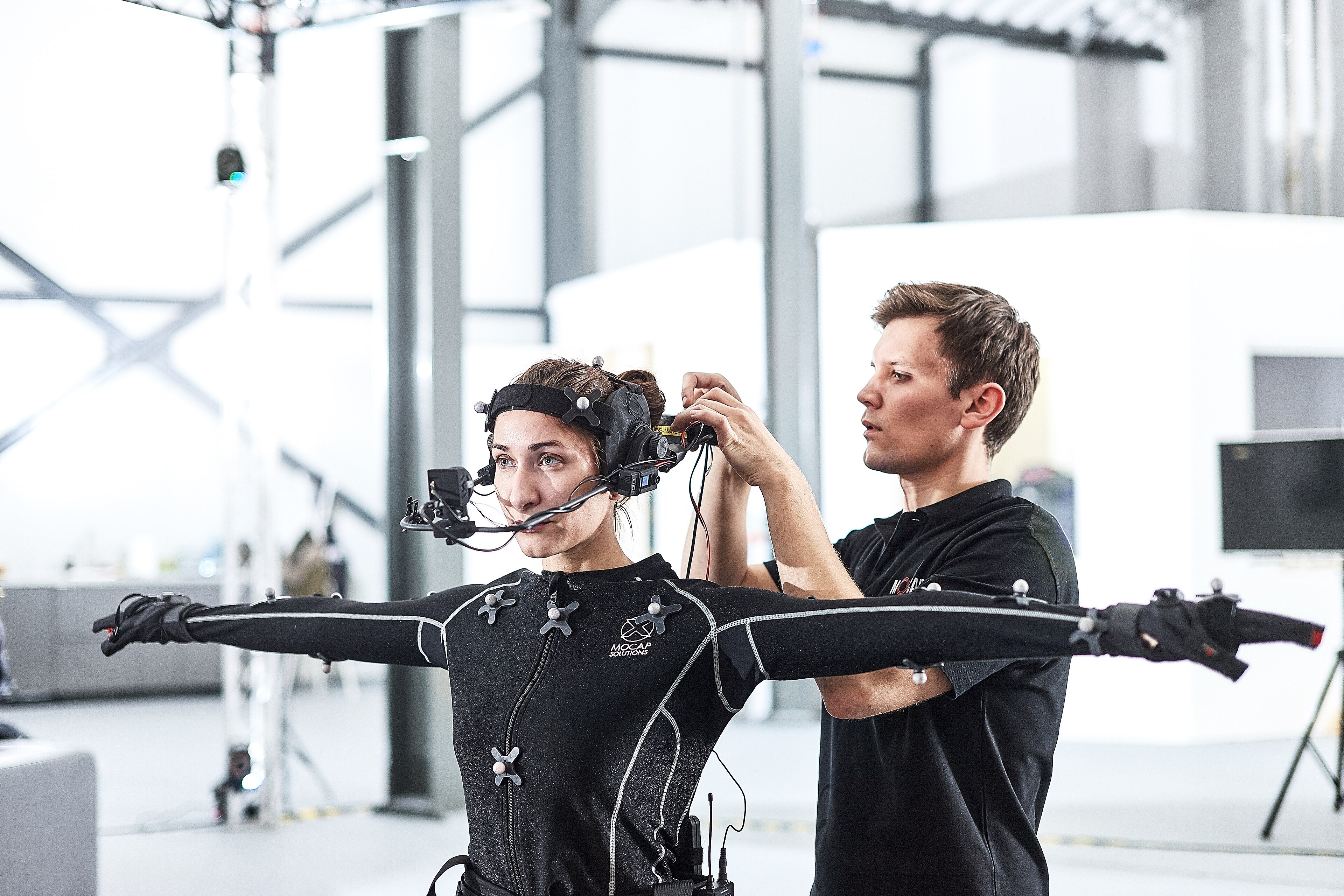
Photo Credit
Image courtesy of © Gabriela Cybulska, CC BY-SA 4.0, via Wikimedia CommonsA film crew, a recording studio and a sculptor’s workshop now fit, in rough draft, inside a browser tab. Here are the creative AI tools that matter in November 2026, what each does best, what the makers charge, how Hollywood is really using them, and the questions of copyright and consent that every creator should understand.
A studio in a browser tab
The most famous AI video app of all no longer exists. OpenAI announced in March 2026 that it was closing Sora; the app shut in April and the developer service in September, as OpenAI turned its computing power elsewhere. It is a useful reminder for anyone building a creative practice on these tools: the field moves at the speed of a trailer cut, and the safest skills are the ones that travel from one tool to the next.
What remains is a remarkable kit. A single person can now storyboard, animate, score and voice a short film, though not yet finish one to cinema standard. The real questions are practical and ethical: which tool suits which job, what you may do with the result, and whose work trained the machine.
Video
Runway, already a partner to Lionsgate, released Gen-4.5 in December 2025 and added native audio within weeks; its plans run from Standard at $15 a month to Max at $95. Luma, maker of Dream Machine, says its Ray3.14 model renders natively in 1080p and four times faster than before; Luma’s plans start at $30 a month, or $25 billed yearly.
Sound and speed are the new battlegrounds: a clip that arrives with its own soundtrack, or one quick enough to throw away and try again.
Google’s Flow studio now defaults to Gemini Omni, introduced in May, whose August update extends scenes in ten-second steps to 40 seconds; Ultra subscribers also have Veo 3.1. Kuaishou’s Kling 4.0, launched in October, generates up to 30 seconds in a single pass, guided by as many as 15 reference assets, from $6.99 for a first month. Pika, the playful one, starts at $10 a month and also offers other makers’ models.
Animation and characters
Character tools have learnt to act. Runway’s Act-Two takes a filmed performance, with its movement, speech and expression, and transfers it to a drawn or generated character, in clips of up to 30 seconds. Hedra’s Character-3 animates talking characters from an image and a voice. Autodesk’s Flow Studio, formerly Wonder Studio, places computer-generated characters into live-action footage. The puppet, at last, has learnt to follow the actor.
Images
Midjourney, the painter’s choice for mood and texture, made Version 8.2 its default in July, with plans from $10 a month. OpenAI’s ChatGPT Images 2.0, released in April, can reason before it draws and handles lettering better than its forebears. Google’s Nano Banana models, inside Gemini, are built for editing: change the jacket, keep the face.
Adobe positions Firefly as safe for commercial use, and Black Forest Labs released FLUX 3 Image in October.
Music
Suno launched its v6 models in September, which it says were trained from scratch and built with licensing partners Warner Music Group, BMG and Believe. Its plans start at $8 a month. The pattern is telling: the start-ups the labels once took to court are becoming their partners. Udio settled with Universal and Warner in late 2025 and is reportedly building a licensed app for fans.
ElevenLabs entered with Music v2.5 in September and now lets users publish tracks straight to SoundCloud.
Audio mastering
Mastering, the last polish that makes a track sound right on a phone and in a club, suits AI well. LANDR has offered automated online mastering for years. iZotope’s Ozone 12, released in September 2025, has a Master Assistant that listens to a track and proposes a chain, now with loudness targets and more genres; it costs $55 for Elements, $219 for Standard and $499 for Advanced. BandLab offers in-browser AI mastering at no charge.
Use AI for the sketch, the draft and the drudgery; keep your own name for the work you would defend in public.
Voice
ElevenLabs is the specialist name in synthetic voice. Its Eleven v4, released in September, is what the company calls its fastest and most emotive model, speaking more than 90 languages. Plans run from Starter at $6 a month and Creator at $22 to Pro at $99. The uses are wonderful, from audiobooks to dubbing a documentary into Japanese, and so is the responsibility: clone only voices you have permission to use.
Scripts and stories
Final Draft, long the screenwriting industry’s workhorse, says plainly that “we do not use your screenplay data” for AI training. Sudowrite, built for novelists, offers its own fiction models, Muse among them, from $10 a month. The big assistants, Claude, ChatGPT and Gemini, are capable story editors. The Academy has drawn a line: from the 99th Oscars, screenplays must be human-authored to be eligible.
3D
Three-dimensional modelling, once the slowest craft in a studio, is speeding up. Meshy turns a text prompt or a photograph into a textured 3D model. Tripo’s P2.0, released in September, produces native quad meshes, the tidy geometry animators prefer to the tangle most generators leave behind. For now, these tools make excellent props and first drafts; a hero character still wants a human modeller’s hand.
AI in film production
Hollywood’s use of AI is older and quieter than the headlines suggest. Industrial Light & Magic de-aged Harrison Ford for about 25 minutes of Indiana Jones and the Dial of Destiny, training its tools on decades of Lucasfilm footage. In Robert Zemeckis’s Here, Metaphysic’s generative AI aged and de-aged Tom Hanks and Robin Wright across decades, in a single room.
On The Brutalist, Respeecher’s software refined Hungarian vowels in some dialogue; the director said no English was altered, yet the disclosure caused an awards-season row. Netflix used generative AI for a building collapse in El Eternauta, its first such footage in an original, finished, it says, ten times faster. Lionsgate has a Runway model trained on its own library.
In this industry, the most controversial special effect is now the one nobody can see.
Copyright and consent
The law is being written case by case. In November 2025 the High Court in London largely rejected Getty Images’ claims against Stability AI, finding that the model did not store copies of Getty’s pictures; Getty has permission to appeal. Disney and Universal’s suit against Midjourney, filed in June 2025, continues in America. Some labels chose licensing: Warner settled with Suno, Universal and Warner with Udio; other claims against Suno continue.
On authorship, the US Copyright Office concluded in January 2025 that prompts alone do not give enough human control to make someone the author of the output; human selection and arrangement can still be protected. Actors’ consent is now contractual: SAG-AFTRA’s 2026 agreement keeps the consent and payment rules for digital replicas. Since August 2026, the EU AI Act has required transparency about AI-generated content.
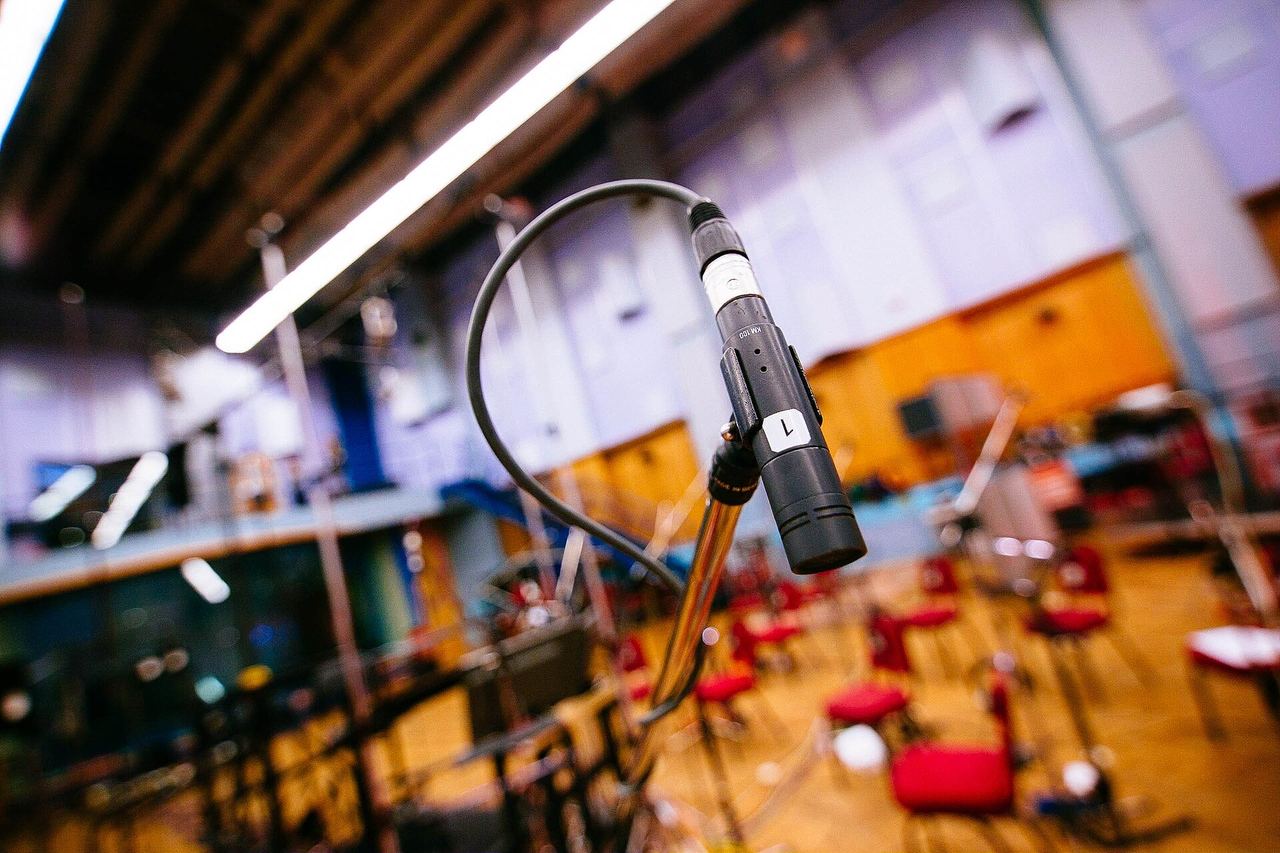
Photo Credit
Image courtesy of © Khaki, CC BY 2.0, via Wikimedia CommonsThe verdict
For a full video studio, Runway or Google’s Flow; for longer single shots, Kling; for quick 1080p drafts, Luma. For images, Midjourney for atmosphere, Firefly where commercial clearance matters most. For music, Suno’s new models arrive with label partners. For voice, ElevenLabs. For everything, keep a record of what you made and how: in a world of synthetic everything, provenance is the new signature.
Why it's on our list
- Video and character animation
- Images, music and voice
- Mastering, scripts and 3D
- How film studios use AI
- Prices as the makers list them
- Copyright and consent, explained
Location
The map comes from Google Maps, which sets its own cookies once it loads.
More in depth
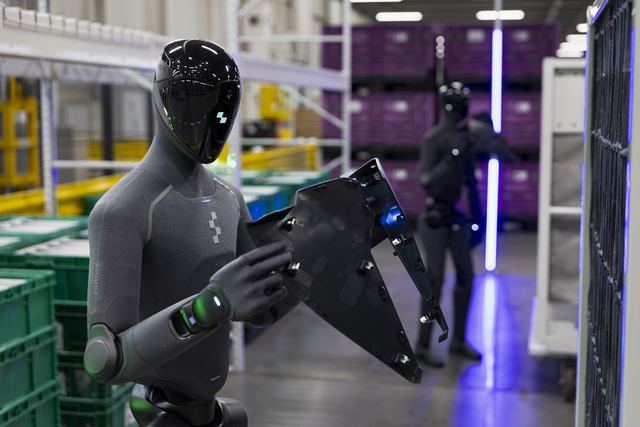 RoboticsHumanoid robots: proven, promised and on the payrollFigure, Atlas, Digit, Optimus and NEO: what humanoid robots really do today, and what is next.
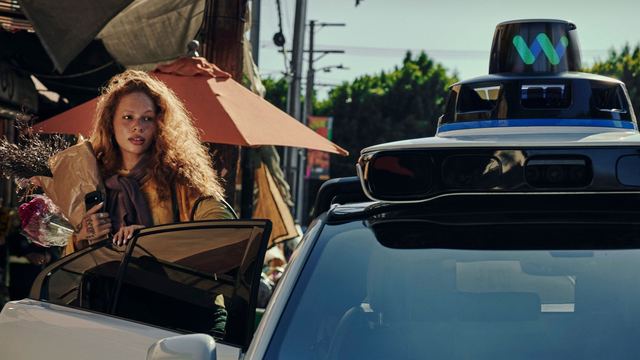 AISelf-driving cars: who is really behind the wheelWaymo, Tesla, Zoox, Baidu and Wayve: where to ride without a driver, and what is still promised.
 AIAI and everyday life: what changes for youPhones, driverless taxis, homes, jobs, learning and travel: how AI helps, and how to use it well.