Compare
iPhone Pro vs the rest: the 2026 camera phones compared
iPhone 18 Pro against Galaxy S26 Ultra and Pixel 11 Pro: cameras first, then screens and prices.
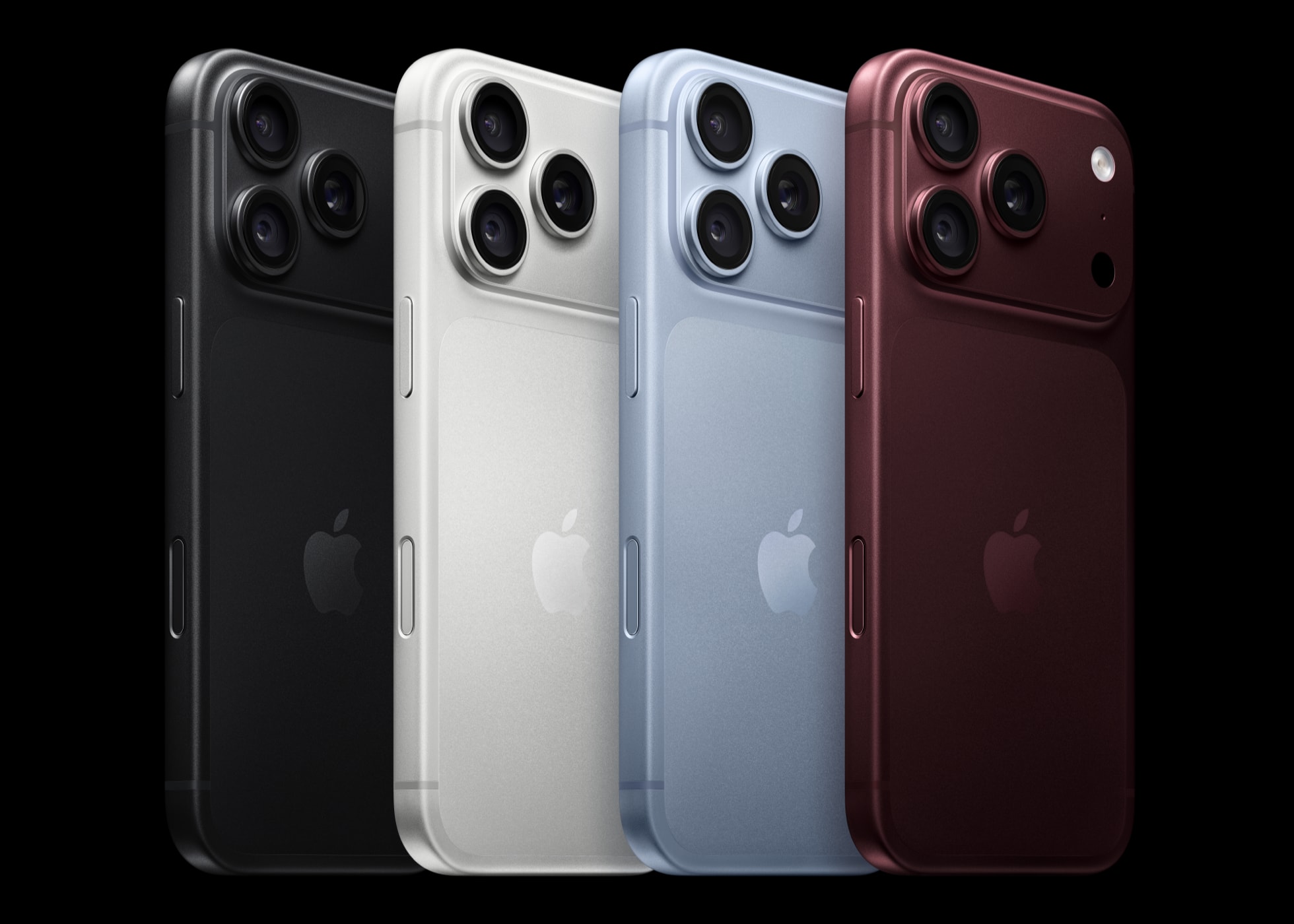
Photo Credit
Image courtesy of © AppleThe best camera in the world is the one in your pocket when the light turns gold over the harbour. Here is how Apple’s iPhone 18 Pro and Pro Max measure up against Samsung’s Galaxy S26 Ultra and Google’s Pixel 11 Pro, lens by lens, with every figure checked against the makers’ own pages.
Three phones, three ideas of a camera
Every autumn the phone makers stage the same contest, and every year the winner is decided less by the spec sheet than by how you travel. Apple’s iPhone 18 Pro, unveiled on 9 September 2026, bets on control. Samsung’s Galaxy S26 Ultra, launched in February, bets on reach. Google’s Pixel 11 Pro, unveiled in August, bets on software that quietly fixes what your hands got wrong. All three are superb; the trick is choosing the one that suits the way you see.
Cameras: iPhone 18 Pro vs Galaxy S26 Ultra
The headline on the iPhone is mechanical, which is rare news in a phone. Its 48MP main camera now has a variable aperture, worked by six laser-cut blades on a new rotor, so it moves between ƒ/1.48, ƒ/1.8, ƒ/2.8 and ƒ/4 like a proper lens. Wide open, it drinks in candlelight; stopped down, it keeps the whole table sharp at a long lunch.
A 48MP ultra wide and a 48MP 4x telephoto (100mm) complete the set, with an optical-quality 8x crop at 200mm and digital zoom to 40x.
Samsung answers with sheer numbers: a 200MP main camera at ƒ/1.4, a 50MP ultra wide, a 10MP 3x telephoto and a 50MP 5x telephoto, with optical-quality crops at 2x and 10x and digital zoom to 100x. Samsung says the wider apertures let 47 per cent more light onto the main camera and 37 per cent more onto the 5x than on last year’s Ultra. For the traveller, that 5x lens is the joy: the bell tower across the valley, the gondolier mid-song.
The iPhone hides one surprise a straight-laced brochure would bury. A new Reference mode has the sensor sign every pixel it sees, and Apple’s Private Cloud Compute develops that signed data into an unalterable reference image you can keep beside the edited one, like a digital negative.
In an age when a photograph can be invented in seconds, a phone that can prove what it saw is a quietly radical thing, and photojournalists will not be the only people grateful for it.
Cameras: iPhone 18 Pro vs Pixel 11 Pro
Google keeps faith with a large sensor and clever processing. The Pixel 11 Pro’s 50MP main camera uses a 1/1.3-inch sensor at ƒ/1.68, beside a 48MP ultra wide at ƒ/1.7 and a 48MP 5x telephoto at ƒ/2.8 with its own 1/1.95-inch sensor. Google quotes optical quality at 0.5x, 1x, 2x, 5x and 10x, and Pro Zoom to 120x, which is further than any sensible person should zoom on anything but the moon.
Night Sight, Magic Eraser and Best Take do the rest after the shutter has fallen.
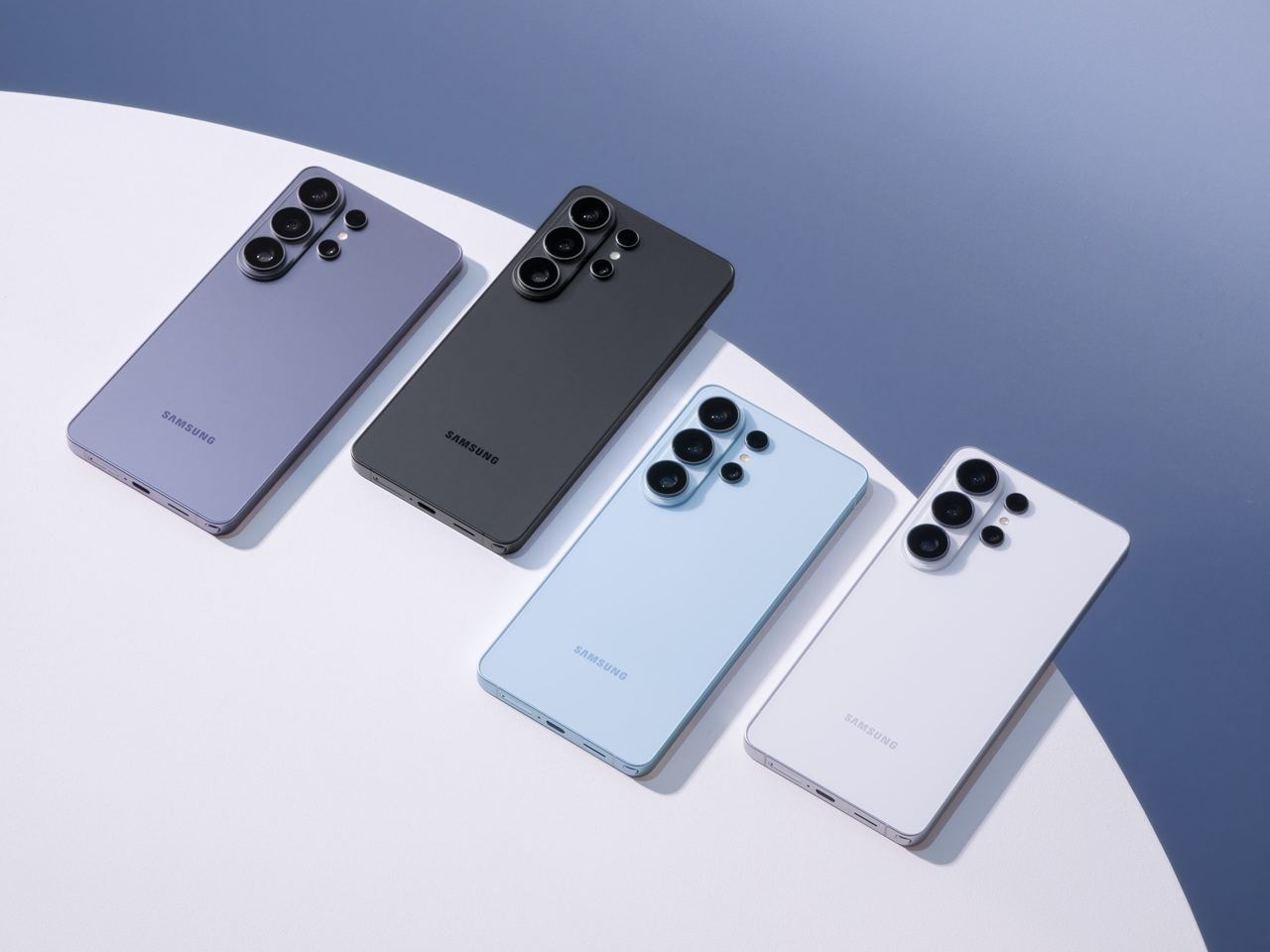
Photo Credit
Image courtesy of © SamsungVideo: where the iPhone pulls ahead
Apple still treats the iPhone Pro as a film camera that happens to make calls. It records 4K Dolby Vision at up to 120 frames a second, shoots ProRes RAW and Apple Log 2, supports genlock for multi-camera shoots, and records ProRes at 4K and 120 fps straight to an external drive. Cinematic effects can now be added after filming at up to 60 fps.
For anyone cutting a travel film on a laptop that evening, this is the most complete toolkit in a pocket.
Samsung goes bigger on resolution, with 8K at 30 fps and 4K at 120 fps, and the S26 Ultra is the first Galaxy to record in APV, a professional codec designed to survive repeated editing. Its Super Steady mode now has a horizontal lock that keeps the horizon level even through a full rotation.
The Pixel 11 Pro reaches 8K at 24 or 30 fps through Google’s Video Boost, and its Night Sight Video is made for the candlelit dinners and night markets that defeat most phones.
Choose the phone for the pictures you take, not the ones in the advertisement.
Screens: Privacy Display vs the brightest panel
The iPhone 18 Pro has a 6.3-inch OLED screen and the Pro Max 6.9 inches, with 3,000 nits outdoors. The Pixel 11 Pro (6.3 inches) and Pro XL (6.8) go brighter on paper, at 3,600 nits peak. Samsung’s 6.9-inch Ultra peaks at 2,600 nits, but has the trick a business traveller will love: a built-in Privacy Display, which Samsung calls the first on a phone, dimming the screen to anyone looking from the side. Seat 2A’s neighbour will have to find his own spreadsheets.
Google adds a charming oddity: HiLight, a light on the back of the Pixel 11 Pro that glows when favourite contacts get in touch or when you are talking with Gemini. It lets the phone lie face down at dinner without anybody missing the one message that matters, a small act of good manners built into the hardware.
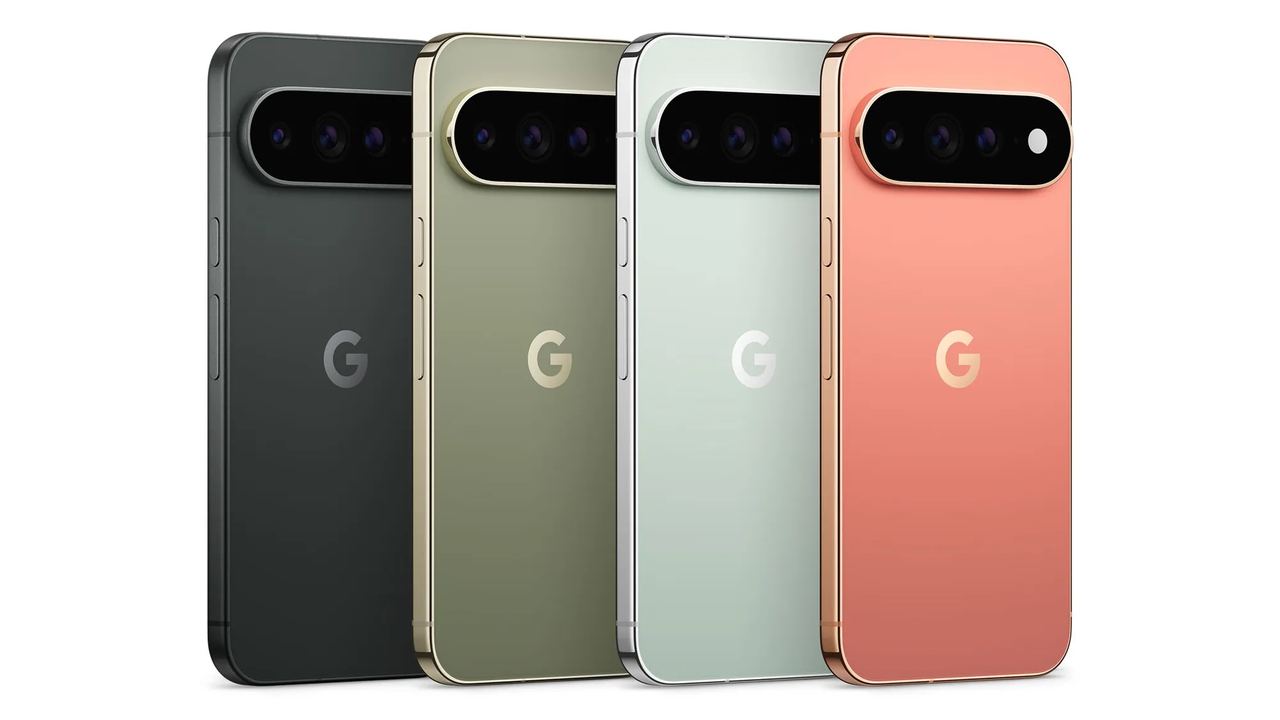
Photo Credit
Image courtesy of © GoogleChips, battery and charging
Apple’s A20 Pro is built on a 2-nanometre process, with a GPU Apple says is up to 40 per cent faster than last year’s, cooled by a vapour chamber with three times the surface area. Battery life is the quiet triumph: up to 34 hours of video on the iPhone 18 Pro and 43 hours on the Pro Max, and with a 60W adapter it reaches 50 per cent in around 15 minutes, roughly the time it takes to finish a coffee at the gate.
Samsung runs a Snapdragon 8 Elite Gen 5 for Galaxy, a 3-nanometre chip, with a 5,000mAh battery rated for 31 hours of video and up to 75 per cent in around 30 minutes. Google’s Tensor G6 sits beside a 4,850mAh battery in the Pixel 11 Pro and 5,115mAh in the Pro XL; Google quotes more than 30 hours of use rather than video playback, so the figures do not compare directly.
The Pro reaches 55 per cent in about 30 minutes with a 30W charger, the XL 75 per cent with 45W.
Weight, build and safety
The Pixel 11 Pro is the lightest here at 204g, then the iPhone 18 Pro at 211g and the Galaxy S26 Ultra at 214g, impressive for a phone that still hides the S Pen stylus in its frame. The Pro Max weighs 249g, almost exactly a block of butter, a fair price for its battery. Where offered, the iPhones have Emergency SOS, Roadside Assistance and Find My via satellite; the Pixel has Satellite SOS. Off-grid, these are features you hope never to use and are glad to own.
Prices
The iPhone 18 Pro starts at £1,199, and the Pro Max at £1,299, both with 256GB. Samsung’s UK store lists the Galaxy S26 Ultra from £1,359 today, and Samsung US from $1,299.99. The Pixel 11 Pro is the gentlest on the wallet, from £1,079, with the Pro XL from £1,279. Google and Samsung are both running Black Friday offers, and all three makers take trade-ins, which can soften the blow considerably. Divide the gap by the years you will keep the phone before deciding it matters.
The verdict
For the travelling photographer who also shoots film, the iPhone 18 Pro Max: variable aperture, the richest video tools, the longest video playback. For the photographer who lives at the long end, the Galaxy S26 Ultra and its 5x lens. For the business traveller, the Galaxy again, for the Privacy Display and the S Pen, unless the rest of your life runs on a Mac, in which case the iPhone 18 Pro.
For the lightest pocket, the best value and the most helpful software, the Pixel 11 Pro.
Why it's on our list
- Cameras compared lens by lens
- Video for travel filmmakers
- Screens, batteries and weight
- Prices in pounds and dollars
- Which phone suits which traveller
Location
The map comes from Google Maps, which sets its own cookies once it loads.
More in depth
 CompareTablets compared: iPad Pro, iPad Air, Galaxy Tab S12 Ultra and Surface ProiPad Pro, iPad Air, Galaxy Tab S12 Ultra and Surface Pro: for the plane, the hotel desk and drawing.
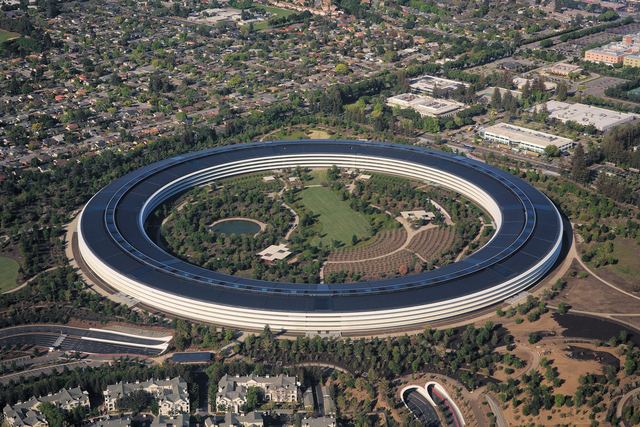 Tech eventsTech events: London, Miami, Los Angeles, San FranciscoThe year's big tech, AI and creator events in four cities, plus the tech sights open every day.
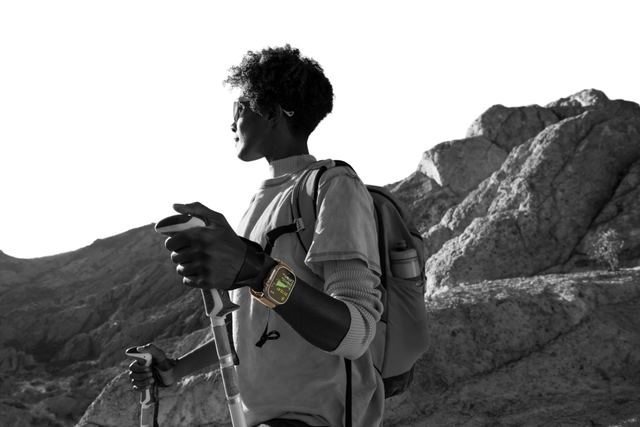 CompareApple Watch Ultra 4 vs the rest: the travel smartwatches comparedApple Watch Ultra 4 and Series 12 against Galaxy Watch Ultra2 and Garmin fēnix 9 Pro, for travel.