Coming soon
Coming soon: the tech the makers have promised
Officially announced tech, from Gemini glasses to Meta's VR specs, plus the newest arrivals.

Photo Credit
Image courtesy of © AppleThe gadget calendar runs on promises, and only some of them are worth keeping a diary for. Here is what the makers themselves have announced, with the dates they have put their names to, plus the newest arrivals of the autumn. No rumours, no leaks, no men in car parks with blurry photographs.
Just landed
Autumn 2026 has been unusually generous. Apple folded a phone, gave a MacBook Pro a screen that answers to a fingertip and put a small talking display on the kitchen counter, all within about three weeks. Each one changes how a traveller packs or lives, which is the only test that counts here, and each is on sale now in the UK and the US.
Why now, and why these? The pattern is worth noticing: the phone, the laptop and the home screen have each taken on a new shape or a new sense rather than another camera lens. The rectangle of glass that has ruled since 2007 is being folded, touched and stood on the counter, and the next section suggests where it goes after that: onto the face.
Apple, as so often, arrived late and called it a beginning; the question for buyers is whether the new shapes earn their premium, and the answers differ.
Apple iPhone Duo
Open it and the 7.6-inch inner screen is, by Apple's own measure, 50 per cent larger than the iPhone 18 Pro Max's; close it and a 5.4-inch outer screen carries on as an ordinary phone. Opened, Apple calls it the thinnest iPhone ever made. The frame is grade 5 titanium and the hinge holds more than 100 components, which is a great deal of engineering devoted to the simple pleasure of a book-like snap.
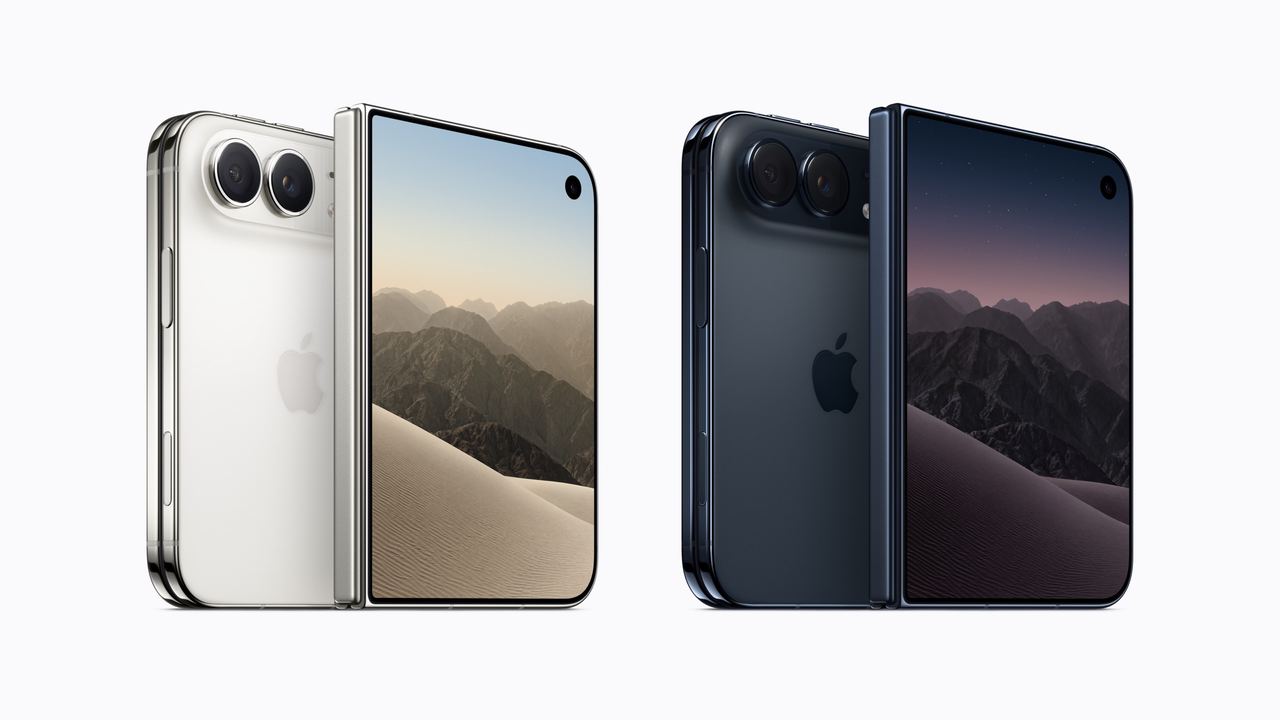
Photo Credit
Image courtesy of © AppleFor the long-haul passenger it is a small cinema that fits a jacket pocket: Apple quotes up to 31 hours of video on the inner screen, and up to 24 hours of mixed use when both screens share the work. It runs the new A20 Pro chip and is rated IP68 against dust and water. It arrived on 23 October in star white or night sky, from £1,999 in the UK and $1,999 in the US, with storage up to 2TB.
MacBook Pro with PROLED XDR Display
The headline is the screen: a tandem OLED panel, with touch built into the display itself, at up to 2,000 nits for HDR and SDR alike and 120Hz. Inside sit the M5 Pro or M5 Max with up to 128GB of memory, and Apple quotes up to 24 hours of battery life, enough to edit a film from Heathrow to Singapore and still answer email at the hotel. On sale since 6 November, in 14-inch and 16-inch sizes, from £2,899.

Photo Credit
Image courtesy of © AppleApple HomeView
A 7-inch Liquid Retina screen on a speaker base, or flat on the wall, that plays music, takes FaceTime calls, runs the smart home and keeps the family calendar. It can recognise up to six people by face and show each their own reminders, a feat of household diplomacy that most kitchens have never managed unaided. On sale since 13 November at £299.
Note for travellers: Apple says it is not on sale in the European Union, where Siri AI is not yet available.
Coming soon
Everything below has been announced by the people who make it, with timing they have stated themselves. Where a maker has named only a season, so do we; where it has named only some countries, those are the countries listed. Prices are as the maker gives them, and where no UK price exists yet, none is printed.
The face is the next screen
The two most interesting promises below are both glasses, and they answer the same question in opposite ways. Samsung's weigh about 41 grams, look like ordinary frames and are built to be worn all day, listening, seeing and whispering back. Meta's weigh about 100 grams, need a puck on the belt and are built for a few immersive hours. One is a companion, the other a cinema.
The traveller's question is which job matters more on the road; the bystander's question is who is being filmed, and here Samsung has given unusually specific answers.
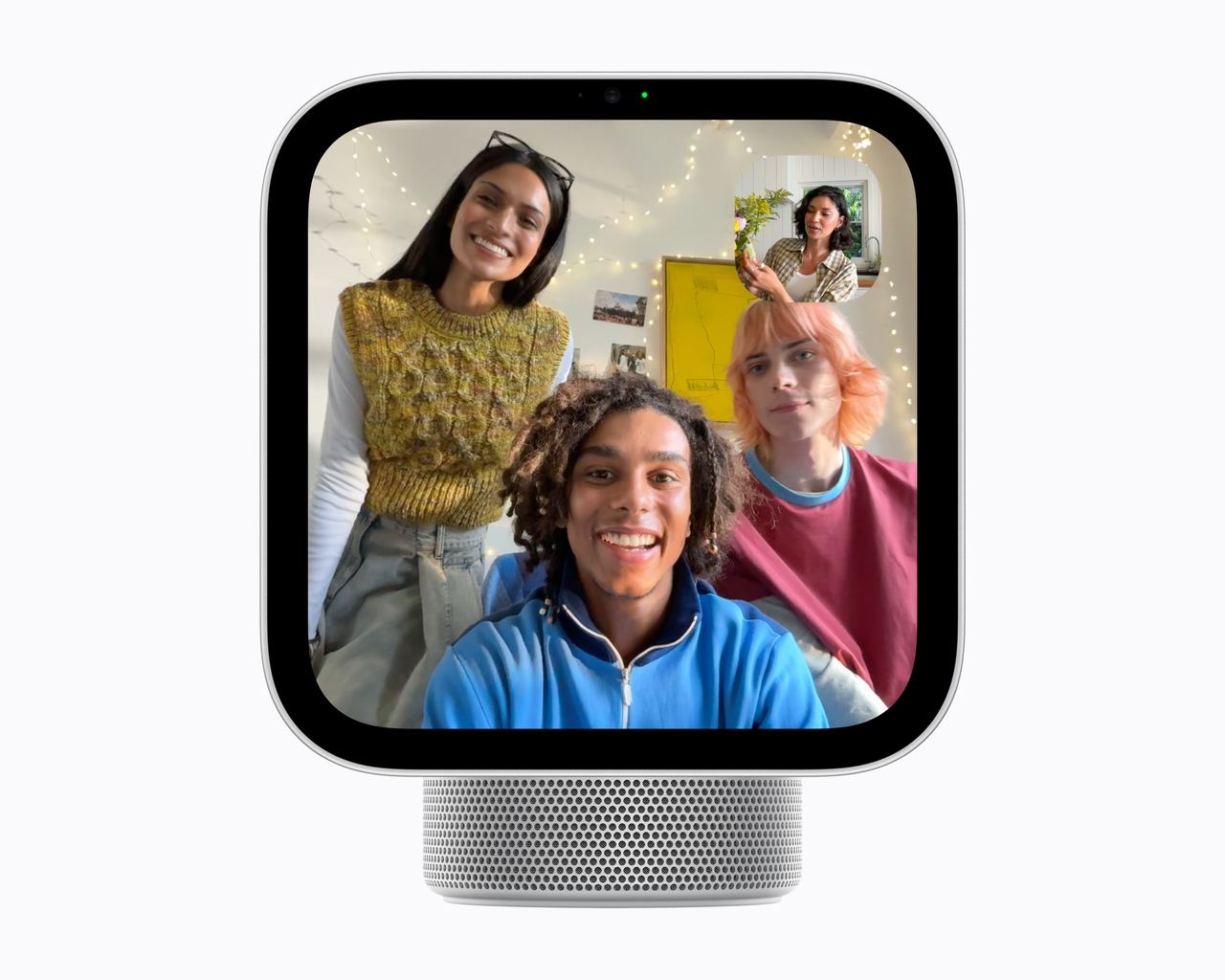
Photo Credit
Image courtesy of © AppleSamsung Intelligent Eyewear: from 10 December
Samsung has done what the tech industry rarely manages and hired people with taste. The engineering is Samsung's, the AI is Google's Gemini, and the frames come from Gentle Monster of Seoul and Warby Parker of New York: 30 designs, from bold Korean cat-eyes to quietly bookish rounds. Pre-orders opened on 12 November, and the glasses go on sale in the US and South Korea on 10 December. Warby Parker's start at $395; Gentle Monster's run from $449 to $489.
A launch date is the maker's promise, not yours: plan the trip first and let the gadget catch up.
At around 41 grams, they look like glasses and weigh about as much. A 12MP camera lets Gemini see what you see, so you can ask about an unfamiliar landmark, translate a menu, or follow Google Maps turn by turn without looking down. Open-ear speakers and four microphones handle calls; Samsung quotes up to nine hours a charge and 72 with the case.
A bright LED shows when the camera is on, and Samsung says the camera refuses to work if that light is covered, a promise kept in hardware, not small print.
Apple Home Collection: from December
Apple has gone to LG Electronics and Schneider Electric for a line of smart-home hardware: a video doorbell, floodlight, outdoor and indoor cameras, a deadbolt lock, thermostats and temperature and humidity sensors. UK prices run from £179.95 for the indoor camera to £349.95 for the floodlight.
Apple says availability begins in December, with some accessories following in early 2027: one for the owner of a second home who likes to know the boiler is behaving.

Photo Credit
Image courtesy of © SamsungNothing's first AI device: December
Carl Pei, the founder of the London company Nothing, has said its first AI-native device ships in December. He has given away remarkably little: it has "no new screen, and it couldn't have been an app", and he calls it a tool. Name, price and shape remain under wraps, which for a company called Nothing is either a marketing triumph or a very long joke. Either way, the transparent-backed phones have earned it a hearing.
Meta VR Glasses: spring 2027
This is the one that could change the long-haul flight. Meta has squeezed virtual reality into something shaped like a pair of glasses, at about 100 grams, roughly a deck of cards and five times lighter than its Quest 3 headset. The trick is a puck that clips to a pocket or bag and holds the processor, battery and storage, joined to the frames by an optical tether. Meta says they will go on sale in spring 2027 at $1,299.99.
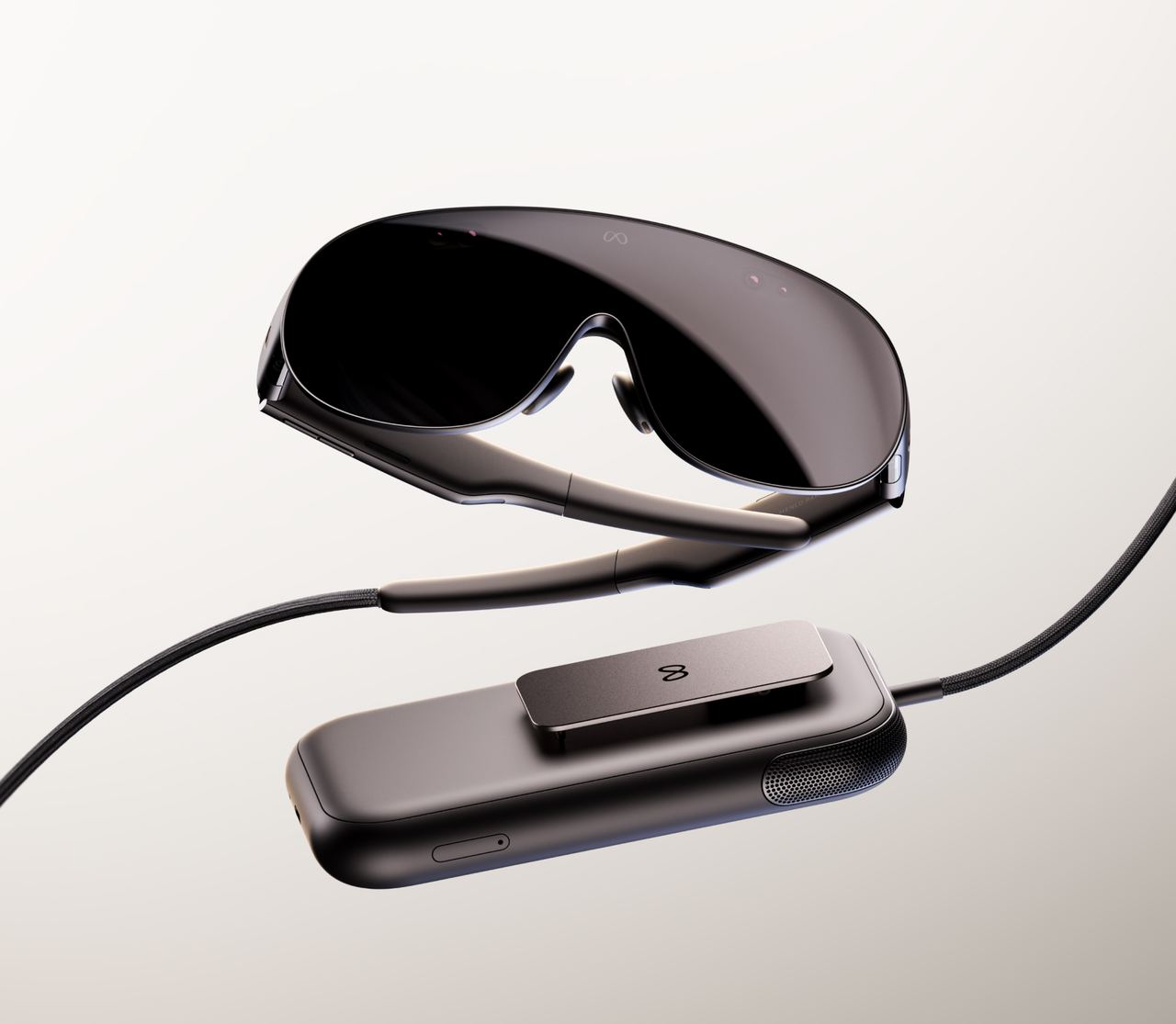
Photo Credit
Image courtesy of © MetaThe 5K micro-OLED display comes with Dolby Vision, and Dolby Atmos sound is built into the frames; Meta says they are the first VR device to be IMAX Enhanced certified. There are no controllers: eyes and hand gestures do the work, and any flat surface becomes a keyboard and touchpad. The puck lasts up to three hours of continuous high-resolution playback, so the second film of the night may need the seat socket. The open sides let you keep an eye on the drinks trolley.
Ferrari Luce: the car as gadget
Ferrari's first all-electric car is called Luce, Italian for light, and its interior was designed with LoveFrom, the creative collective of Jony Ive and Marc Newson: the man who shaped the iPhone has, in effect, designed a Ferrari dashboard. It seats five. Ferrari expects first deliveries in the fourth quarter of this year and says its entire 2027 production is already allocated, so for most readers the coming soon is really coming later.
The verdict
Buy now if the need is real: the iPhone Duo for anyone who reads, edits or watches on the move and wants one device instead of two, the touch-screen MacBook Pro for the creative who works between airports. Wait and try before buying the glasses: both will be judged by comfort over a whole day, and no specification sheet can settle that. And note what nobody has announced yet: UK dates for any of the glasses.
For British readers, the clever new eyewear may be something first seen on a trip to New York or Seoul.
Why it's on our list
- Apple's first folding iPhone
- A MacBook Pro with a touch screen
- Smart glasses with Gemini built in
- Meta's 100-gram VR glasses
- Ferrari's first electric car
Location
The map comes from Google Maps, which sets its own cookies once it loads.
More in depth
 CompareAirPods Pro 3 vs the rest: noise-cancelling earbuds comparedAirPods Pro 3 against AirPods 5, Sony WF-1000XM6 and Bose QuietComfort Ultra Earbuds.
 CompareHeadsets compared: Apple Vision Pro, Galaxy XR, Meta Quest 3 and Meta Ray-Ban DisplayVision Pro, Galaxy XR, Quest 3 and Meta Ray-Ban Display: films in flight, work in the hotel room.
 CompareLaptops compared: the new MacBook Pro and its rivalsThe new touchscreen MacBook Pro against the finest Windows laptops for travel, figure by figure.