The Observatory
When will robots become sentient? The honest answer is a question
Intelligence is not feeling: what Tesla, Hinton, Bengio, Kurzweil, Sheffield and Cambridge say.
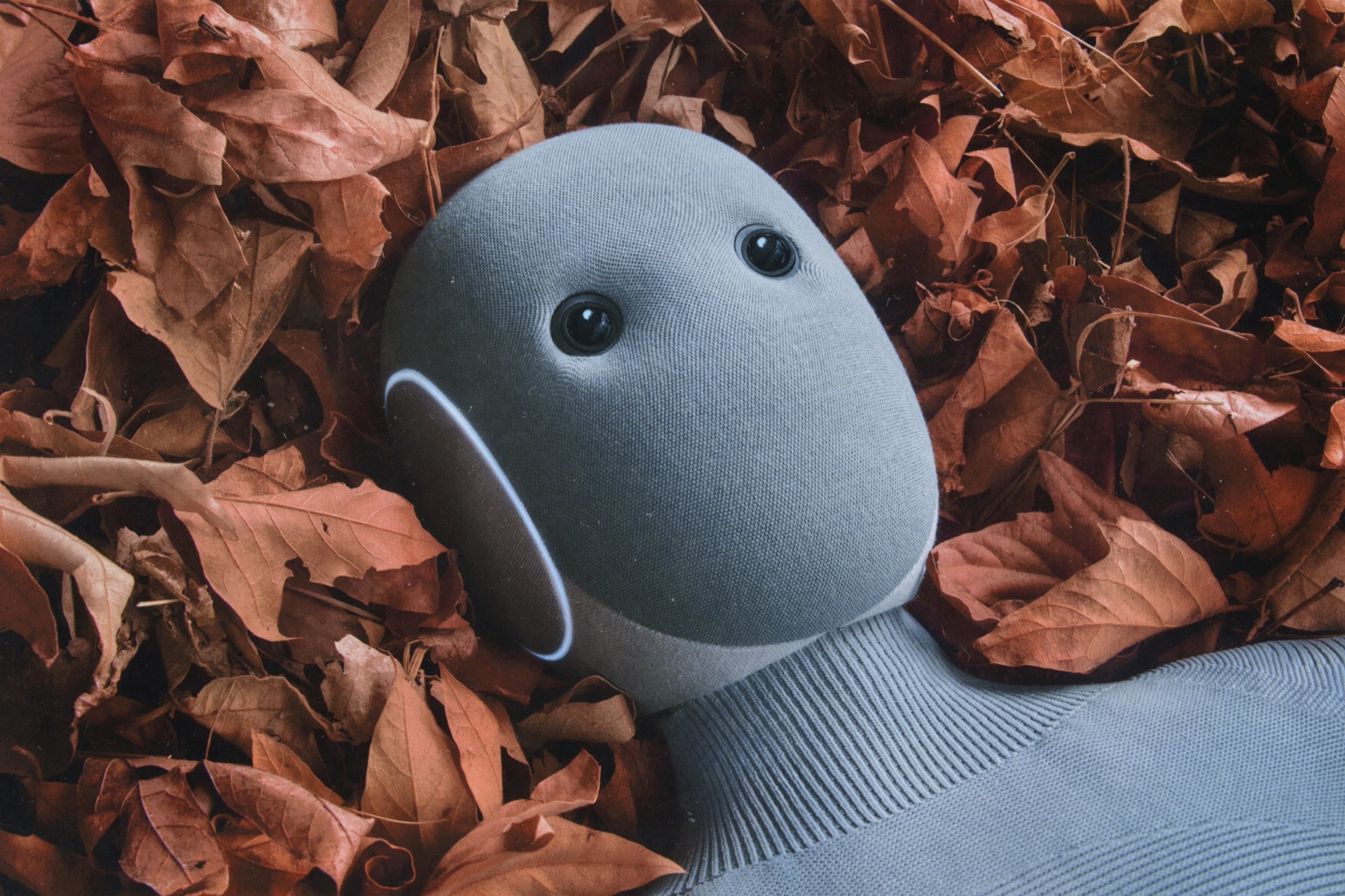
Photo Credit
Image courtesy of © 1XIt is the question everyone asks about the new humanoids. The short answer is that nobody knows, and the careful answer is more interesting. Intelligence and sentience are different things; here is what Tesla’s own filings promise, what Geoffrey Hinton, Yoshua Bengio, Ray Kurzweil and researchers at Sheffield and Cambridge have published, checked at the source in November 2026.
Watch the Jaquet-Droz Draughtsman at work in Neuchâtel and it is hard not to feel that someone is at home behind those glass eyes. Nobody is; there is only a mechanism. Ray Kurzweil saw where that instinct leads. Once machines reach human-level intelligence, he wrote in 2002, “humans will treat such entities as if they were conscious.” The question everyone now asks is whether they would be.
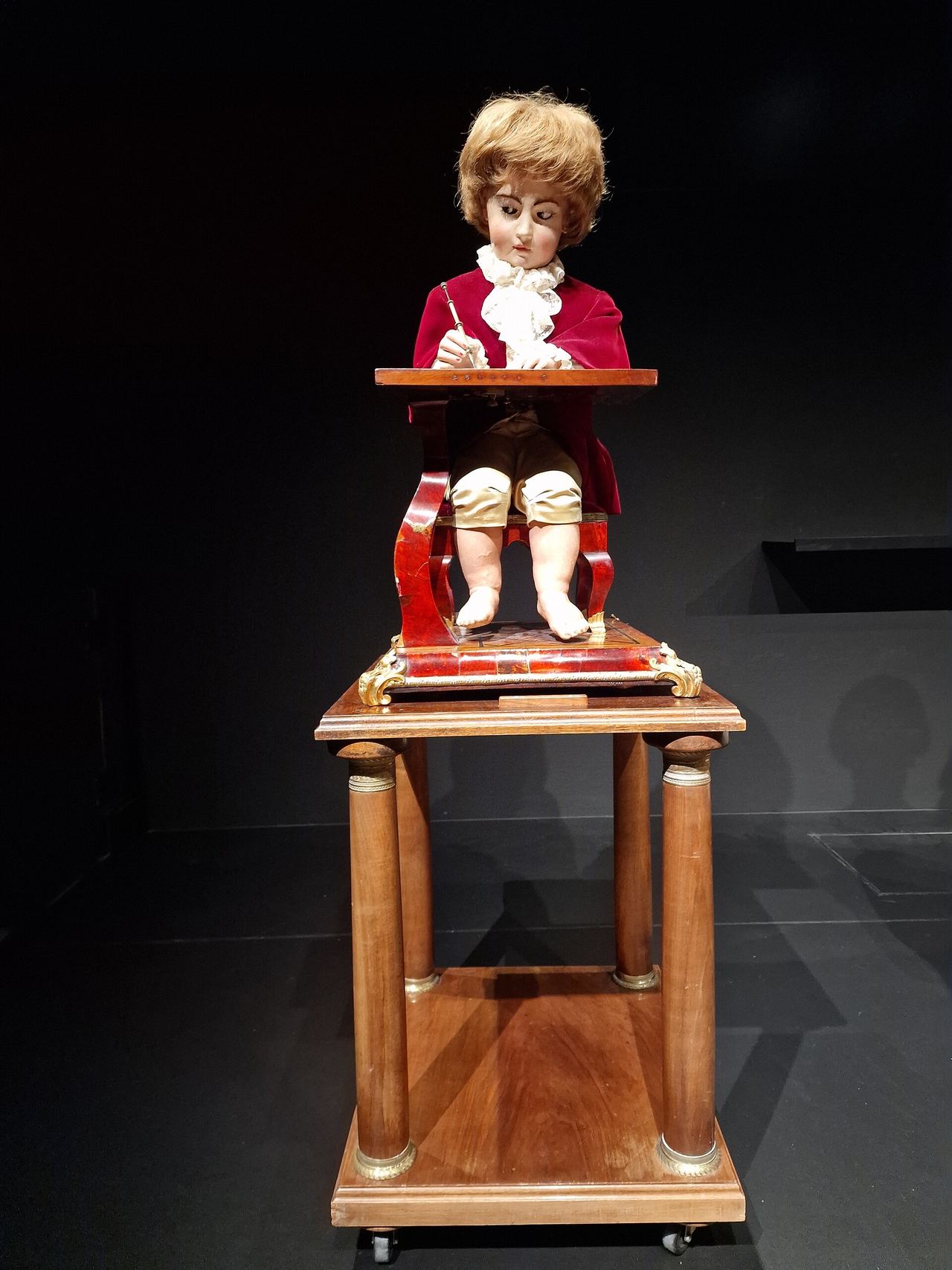
Photo Credit
Image courtesy of © Gre regiment, CC BY-SA 4.0, via Wikimedia CommonsClever is not the same as feeling
Start with two words that are often blurred. Artificial general intelligence, in the University of Cambridge’s phrase, means machines with human-like cognition. Sentience is something else. “Sentience involves conscious experiences that are good or bad, which is what makes an entity capable of suffering or enjoyment,” says the Cambridge philosopher Tom McClelland. A chess engine can be brilliant without minding if it loses.
Tesla’s own documents are firmly about the first word. Its October 2026 update speaks of projects “spanning Super Intelligence (SI)”, and its quarterly filing describes Optimus as “a general purpose, autonomous humanoid robot”. In the updates, filings and proxy we read, we found no Tesla forecast that a robot will feel anything, and no date for it. Intelligence is the promise; experience is not on the order form.
Geoffrey Hinton, who shared the 2024 Nobel Prize in Physics for discoveries that underpin machine learning with neural networks, set out his worry in his Nobel banquet speech: “There is also a longer term existential threat that will arise when we create digital beings that are more intelligent than ourselves. We have no idea whether we can stay in control.” His concern there is intelligence and control, not feelings.
Yoshua Bengio, a professor at the Université de Montréal and winner of the 2018 A.M. Turing Award, is one of 19 authors of a 2023 report that tested AI systems against leading scientific theories of consciousness. Its verdict was two-sided: “Our analysis suggests that no current AI systems are conscious, but also suggests that there are no obvious technical barriers to building AI systems which satisfy these indicators.”
The report’s method is worth knowing. Its authors took leading theories of consciousness, among them global workspace, recurrent processing and higher-order theories, turned each into “indicator properties” that can be checked in a computer system, and then looked for them in recent AI models. It is the closest thing to a checklist the field has, and its authors present it as a starting point, not a verdict on the future.
Testing for consciousness in prawns is hard, but nothing like as hard as testing for consciousness in AI.
Kurzweil, an inventor whose official biography credits him with the first print-to-speech reading machine for the blind, has a $20,000 wager on the Long Bets site that a machine will pass the Turing test by 2029; Mitchell Kapor bet that none will. Even Kurzweil is careful about what a win would prove. “Clearly, the Turing test is not an explicit test for consciousness,” he wrote. The machines, either way, collect nothing.
Bodies, selves and Sheffield
At the University of Sheffield, Tony Prescott, Professor of Cognitive Robotics, argues that bodies matter. In a Royal Society theme issue, announced in November 2026, he used computer simulation to study how newborn babies learn to tell themselves from the world. “Because AI chatbots lack bodies, they won’t develop a sense of self,” he said. “Robotics, however, is a different story.”
His colleague Dr Luca Manneschi, a lecturer in machine learning, led the experiment, in which an AI taught a simulated robot to tell its own body from the world by watching its own movements. A chatbot’s apparent self, the university adds, is best seen as “role-play”. Sheffield’s researchers warn that robotics could lead to self-aware AI by accident, and that we should act now to anticipate the risks.
Self-awareness, note, is still not the same as feeling. A robot that knows where its arm ends, so that it does not damage itself, has a useful map of its own body; whether there is anything it is like to be that robot is a separate and much harder question. That gap, between a machine that models itself and one that minds what happens to it, is where the whole debate lives.
Cambridge’s case for not knowing
McClelland, of Cambridge’s Department of History and Philosophy of Science, argued in Mind and Language that believers and sceptics alike take a “leap of faith” beyond the evidence. “We cannot, and may never, know,” he concludes, calling himself a “hard-ish” agnostic. He also offers some perspective: “Testing for consciousness in prawns is hard, but nothing like as hard as testing for consciousness in AI.”
So, plainly: there is no scientific consensus that robots will become sentient, no agreed test for it and no date. The people quoted here disagree on the likeliest path, and the careful ones say so. Our advice: when a company says its robot “understands” or “feels”, ask which word it means and what the evidence is. McClelland warns that the uncertainty itself can be sold, as “part of the hype”.
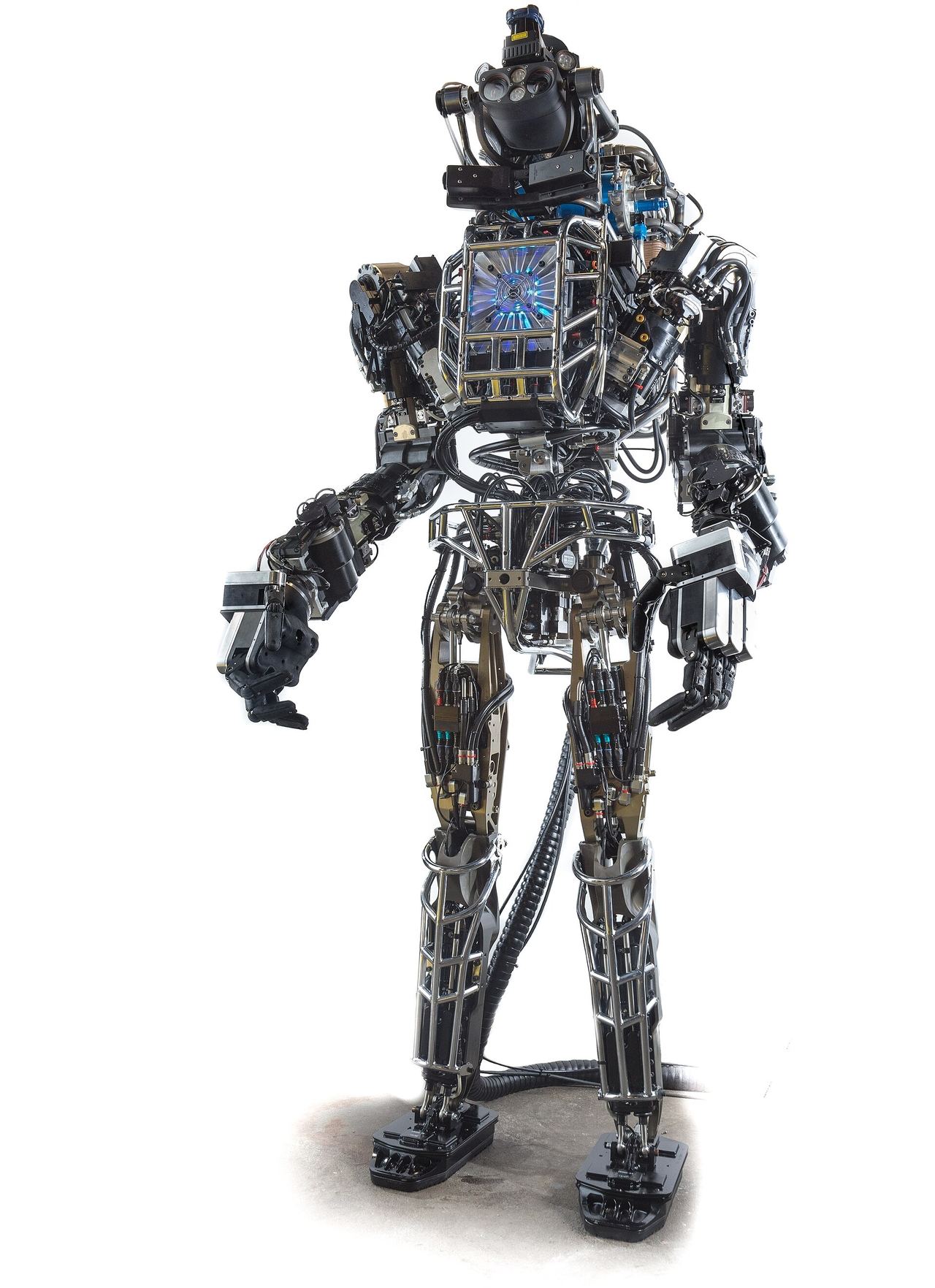
Photo Credit
Image courtesy of © DARPA, public domain, via Wikimedia CommonsWhy it's on our list
- Clever is not the same as feeling
- Bodies, selves and Sheffield
- Cambridge’s case for not knowing
Location
The map comes from Google Maps, which sets its own cookies once it loads.
More in depth
 The ObservatoryTwenty minutes in the dark: the South Downs’ starlit skiesEngland’s second dark sky reserve, its hilltop sites, a royal observatory and the February festival.
 The ObservatoryAutocomplete with ambitions: artificial intelligence in plain EnglishHow today’s AI is trained, where it shines, where it slips, and the questions worth asking.
 The ObservatoryEarthset, and the long road back to the MoonArtemis II’s record flight, a rehearsal in Earth orbit, and the many roads to the lunar south pole.