The back story
Buying antiques: hallmarks, auctions and the rules worth knowing
How to read a hallmark, bid at auction, judge a dealer and steer clear of ivory: a buyer’s guide.
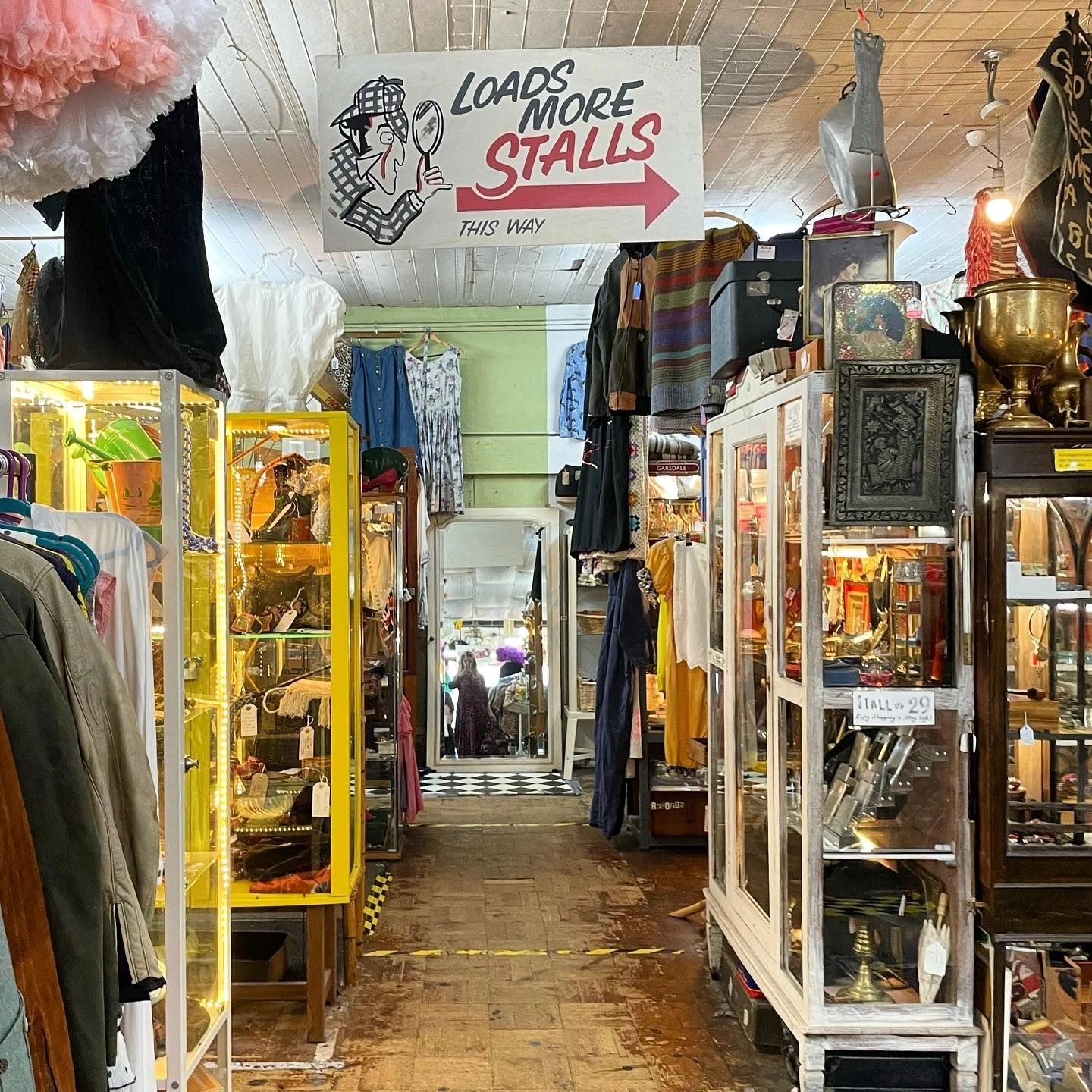
Photo Credit
Image courtesy of © Snoopers ParadiseSussex is one of the best places in Britain to buy old things, from the stalls of Snoopers Paradise in the North Laine to the dealers of Petworth and Lewes. A little knowledge goes a long way: how to read silver, what a dealers’ association promises, what an auction really costs, and which materials you can no longer legally buy.
The joy of antiques is that every piece has had a life before yours. The risk is that some of those lives are invented. You do not need to be an expert to buy well; you need to know where to look, what questions to ask and when to walk away.
Start with the marks
British silver and gold carry hallmarks, a system of consumer protection that is centuries old. Three marks are compulsory today: the sponsor’s or maker’s mark, a mark showing the metal and its fineness, and the mark of the assay office that tested it. There are four assay offices still working, each with its own symbol: a leopard’s head for London, an anchor for Birmingham, a rose for Sheffield and a castle for Edinburgh.
Look for the date letter too. It changes every year and lets you date a piece precisely, though it has been optional since 1999. A good pocket guide to date letters is the best few pounds a silver collector will ever spend.
Dealers you can trust
Two trade associations vet their members. BADA, the British Antique Dealers’ Association, founded in 1918, says it checks members for knowledge and integrity and offers buyers a free arbitration service if things go wrong. LAPADA, the largest association of art and antique dealers, binds its members to a code of practice. Membership is not a guarantee, but it is a promise someone can be held to.
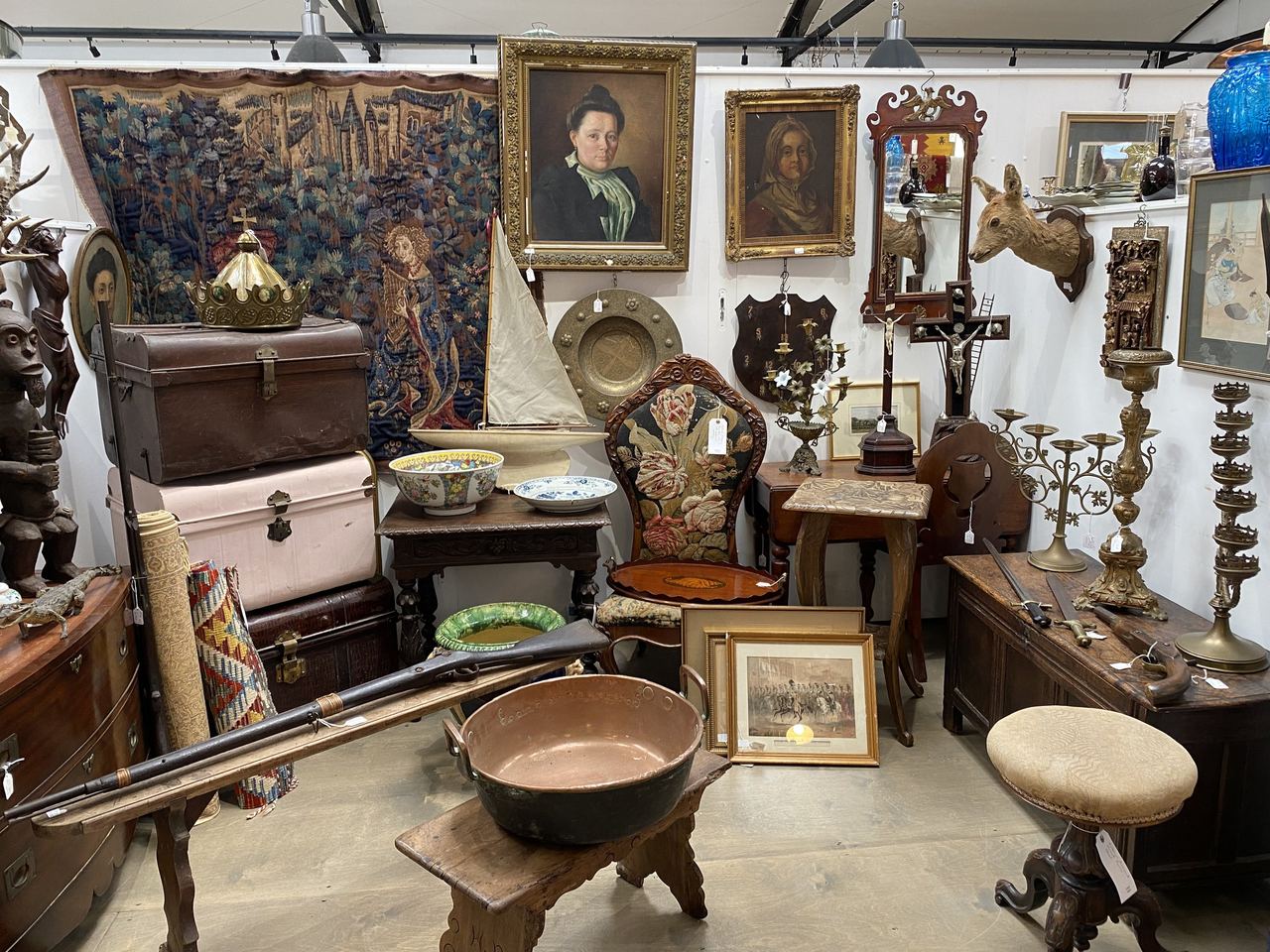
Photo Credit
Image courtesy of © Petworth Antiques MarketBidding at auction
Auctions are where the bargains and the mistakes are. View the lot in person, read the condition report and ask for more photographs. Above all, read the terms: every house adds a buyer’s premium to the hammer price, set by the house itself and usually with VAT on top, so the final bill can be well above your winning bid.
A hallmark is the oldest form of consumer protection in Britain. It still tells you more than the seller does.
The ivory rules
Since 6 June 2022 it has been illegal in the UK to buy or sell most items containing elephant ivory, and in 2025 the ban widened to hippo, killer whale, narwhal and sperm whale ivory. A few narrow exemptions exist, such as some older musical instruments and items with only a small amount of ivory, but they must be registered or certified before sale. If a dealer cannot show the paperwork, do not buy.
Where to look in Sussex
In Brighton, start at Snoopers Paradise in Kensington Gardens, a vast flea market of stalls under one roof. Then head for the country: Petworth has been known for its antique dealers for generations, and Lewes and Arundel reward a slow wander. Go with a tape measure, a sense of humour and a firm limit, and be ready to break it.
Questions and answers
How do you read a British hallmark?
Look for the maker’s mark, the metal and fineness mark and the assay office mark (leopard’s head London, anchor Birmingham, rose Sheffield, castle Edinburgh); a date letter, optional since 1999, gives the year.
Can you still buy antique ivory in the UK?
Mostly no. Since June 2022 dealing in ivory is banned except for a few narrow exemptions, which must be registered or certified first.
Why it's on our list
- Start with the marks
- Dealers you can trust
- Bidding at auction
- The ivory rules
- Where to look in Sussex
Location
The map comes from Google Maps, which sets its own cookies once it loads.
More in depth
 The back storyUpcycling furniture safely: old paint, woodworm and fire labelsBefore you sand that junk-shop chest: lead paint, woodworm and fire labels for upholstery.
 The back storyA greener home in an old house: insulation, heat pumps and the rulesWarmer, cheaper, cleaner: what to do first, what grants exist and what a listed building allows.
 The back storyA wildlife-friendly garden: hedgehogs, ponds and bird-friendly habitsA hole in the fence, a pond, no pellets and a longer lawn: simple ways to bring a garden alive.