Gaming
From Space Invaders to Vice City: 50 years of video games
From Pong to GTA VI: the consoles, computers and games that made fifty years of play.
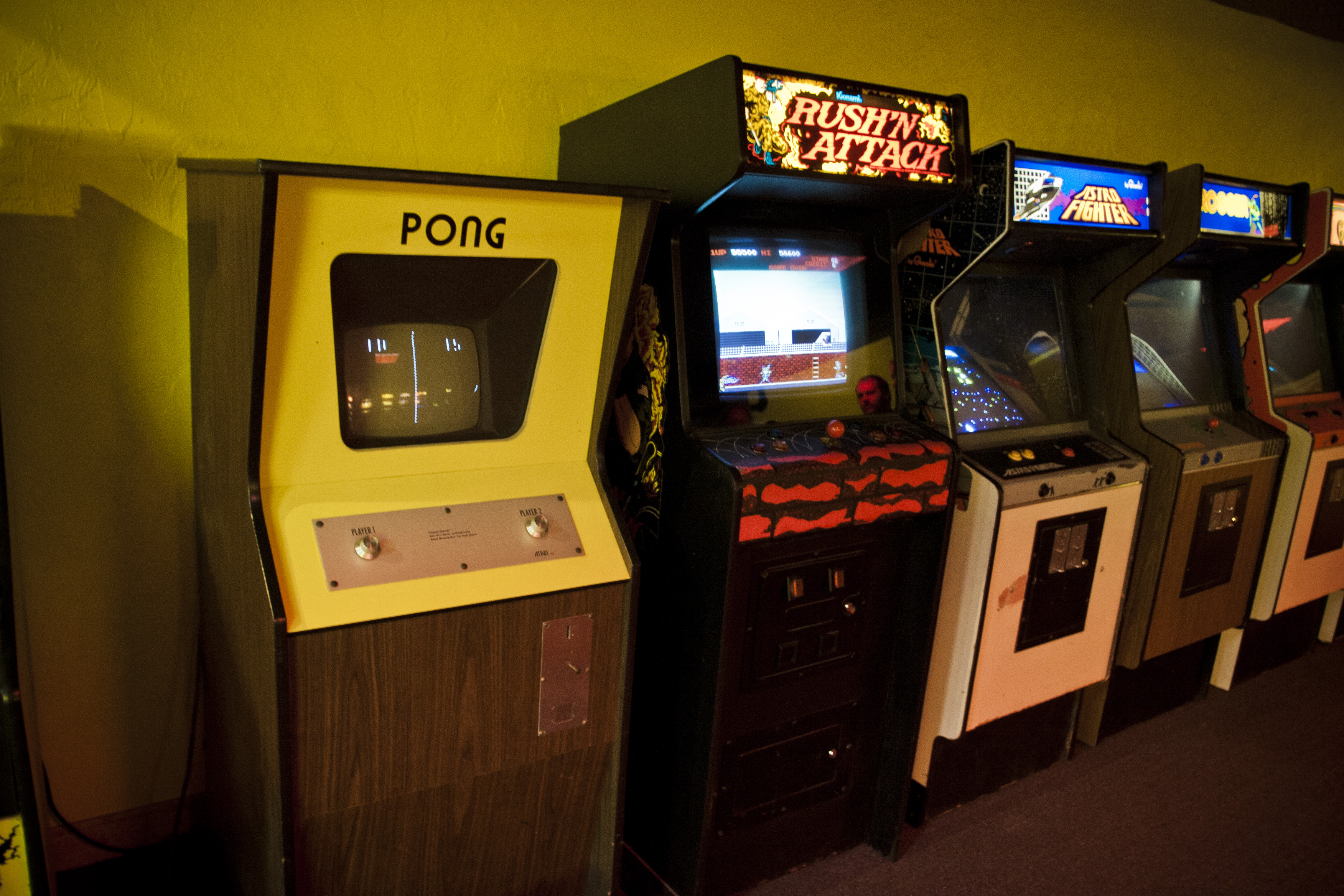
Photo Credit
Image courtesy of © Rob Boudon, CC BY 2.0In 1972 a bar in California installed a tennis game so simple it barely needed instructions; it stopped working, so the story goes, because it was too full of coins. Fifty years on, games are one of the great entertainment businesses. Here are the machines and the moments that built it, from Space Invaders and the ZX Spectrum to Minecraft, Fortnite and Vice City.
1972: Pong
It began with a ball, two paddles and an instruction that fitted on a sticker. Atari’s Pong, built by the engineer Allan Alcorn for Nolan Bushnell’s young company in 1972, was tested in a bar in Sunnyvale, California, Andy Capp’s Tavern. Within days the machine stopped working; the fault, so the story goes, was a coin box so full of quarters that it had jammed.
It was the first time a video game proved it could make serious money, and the last time anyone thought it was a fad.
1978: Space Invaders
Taito’s Space Invaders, designed by Tomohiro Nishikado, turned the arcade into a battlefield. Rows of aliens marched steadily down the screen, and the fewer there were, the faster they came. That relentless crescendo was not originally planned: the hardware simply drew the screen more quickly as the invaders were destroyed, and Nishikado kept the accident. Few happy mistakes have caused so many sleepless nights.
1980: Pac-Man and Defender
Namco’s Pac-Man, created by Toru Iwatani in 1980, swapped shooting for eating and gave the arcade its first true star, a yellow circle with a mouth. Iwatani has said the shape was inspired, at least in part, by a pizza with a slice missing. That same year Williams unveiled Defender, Eugene Jarvis’s side-scrolling space rescue with a joystick and five buttons, so demanding that it seemed to have been built to humble its players. Many still bear the mental scars.
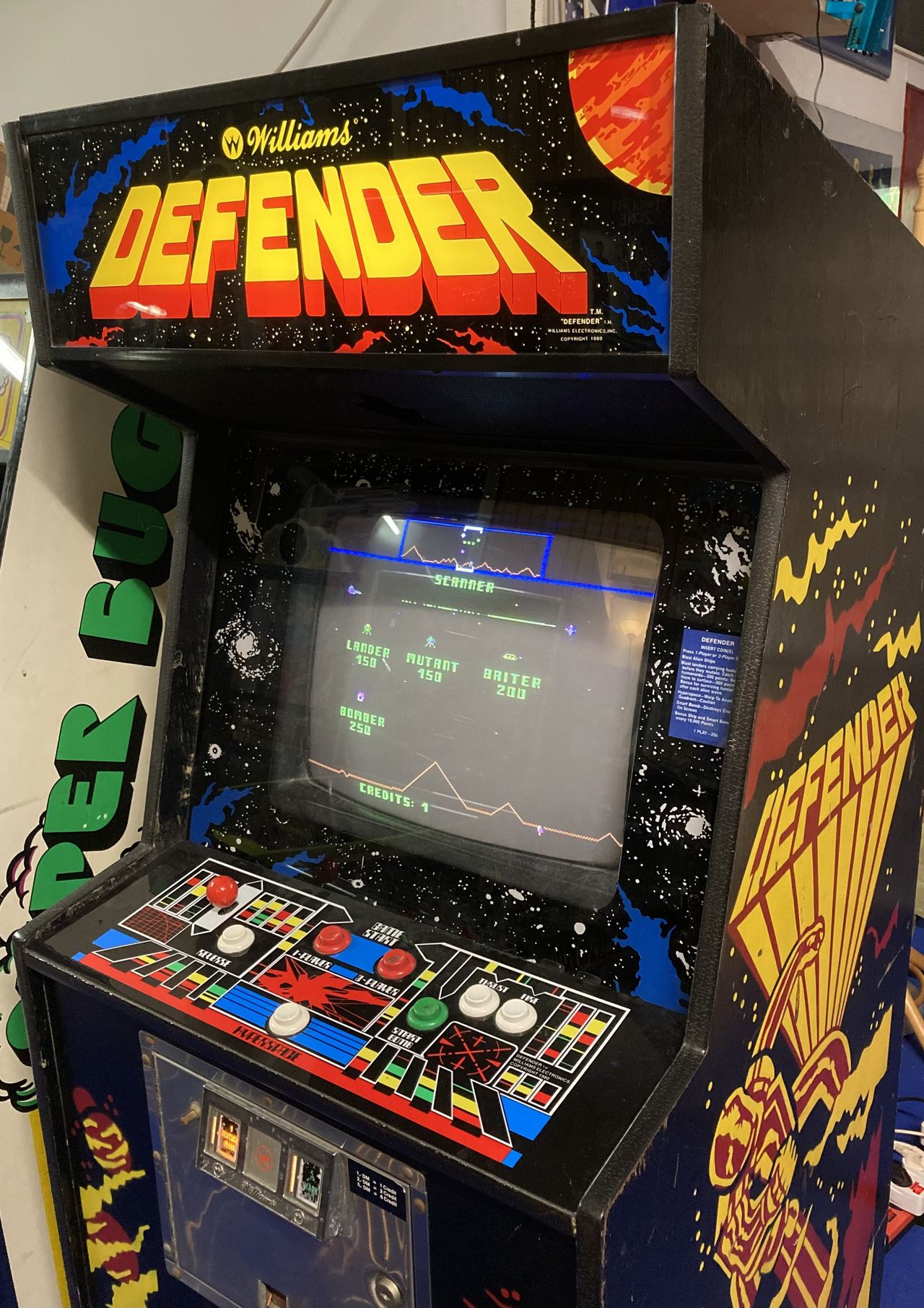
Photo Credit
Image courtesy of © VMzB, CC BY-SA 4.0The British bedroom: Spectrum and Commodore 64
In Britain the revolution happened at home. Sinclair’s ZX Spectrum, launched in April 1982 at £125 for the 16K model and £175 for the 48K, with its rubber keys and rainbow stripe, put a computer under thousands of television sets; the Commodore 64 arrived the same year. Teenagers wrote games in their bedrooms and sold them on cassette tapes, and some of those bedrooms became studios.
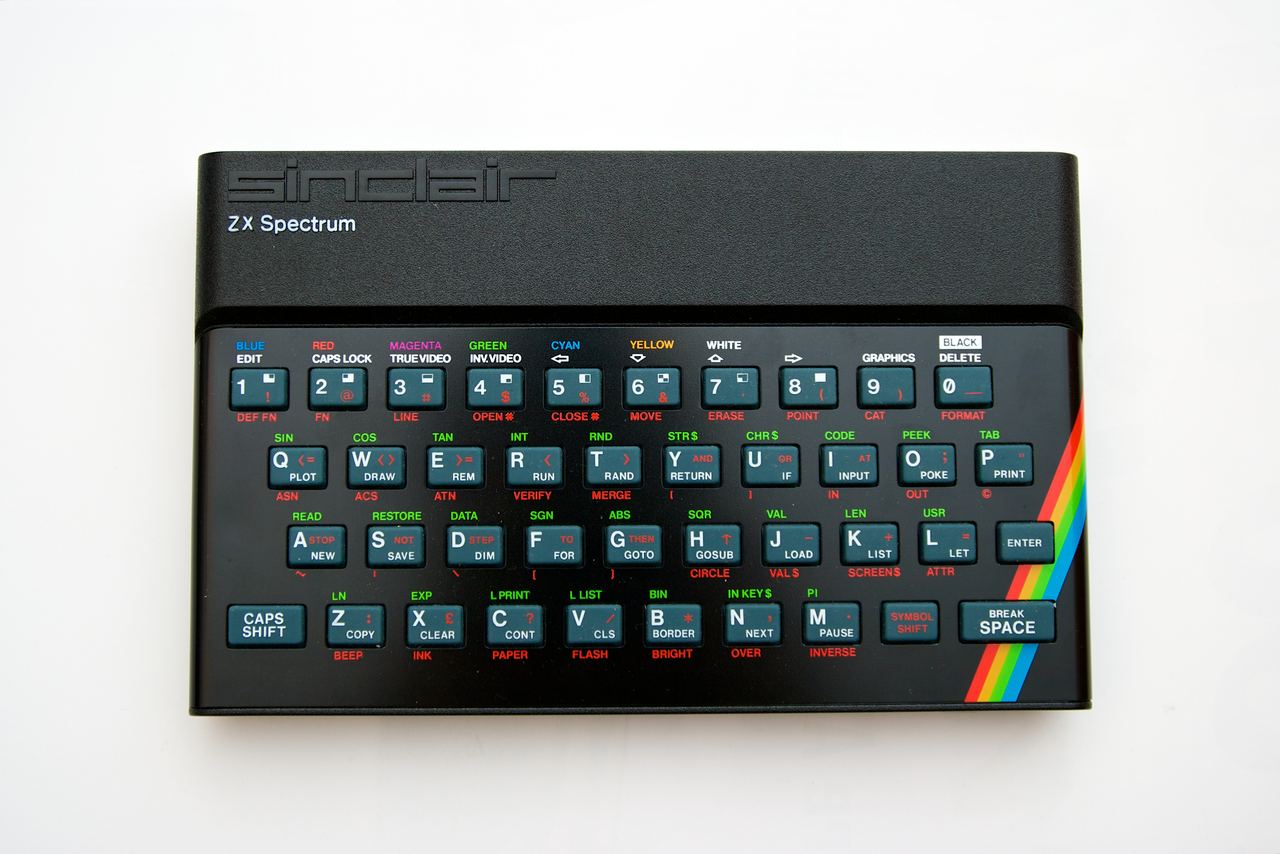
Photo Credit
Image courtesy of © Nico Kaiser, CC BY 2.0Elite, written by David Braben and Ian Bell for the BBC Micro in 1984, squeezed a whole galaxy of trading and space combat into a few dozen kilobytes. The Stamper brothers’ Ultimate Play the Game became Rare, whose GoldenEye 007 later redefined the shooter, and Derby’s Core Design gave the world Lara Croft in Tomb Raider in 1996. Britain has been punching above its weight in games ever since.
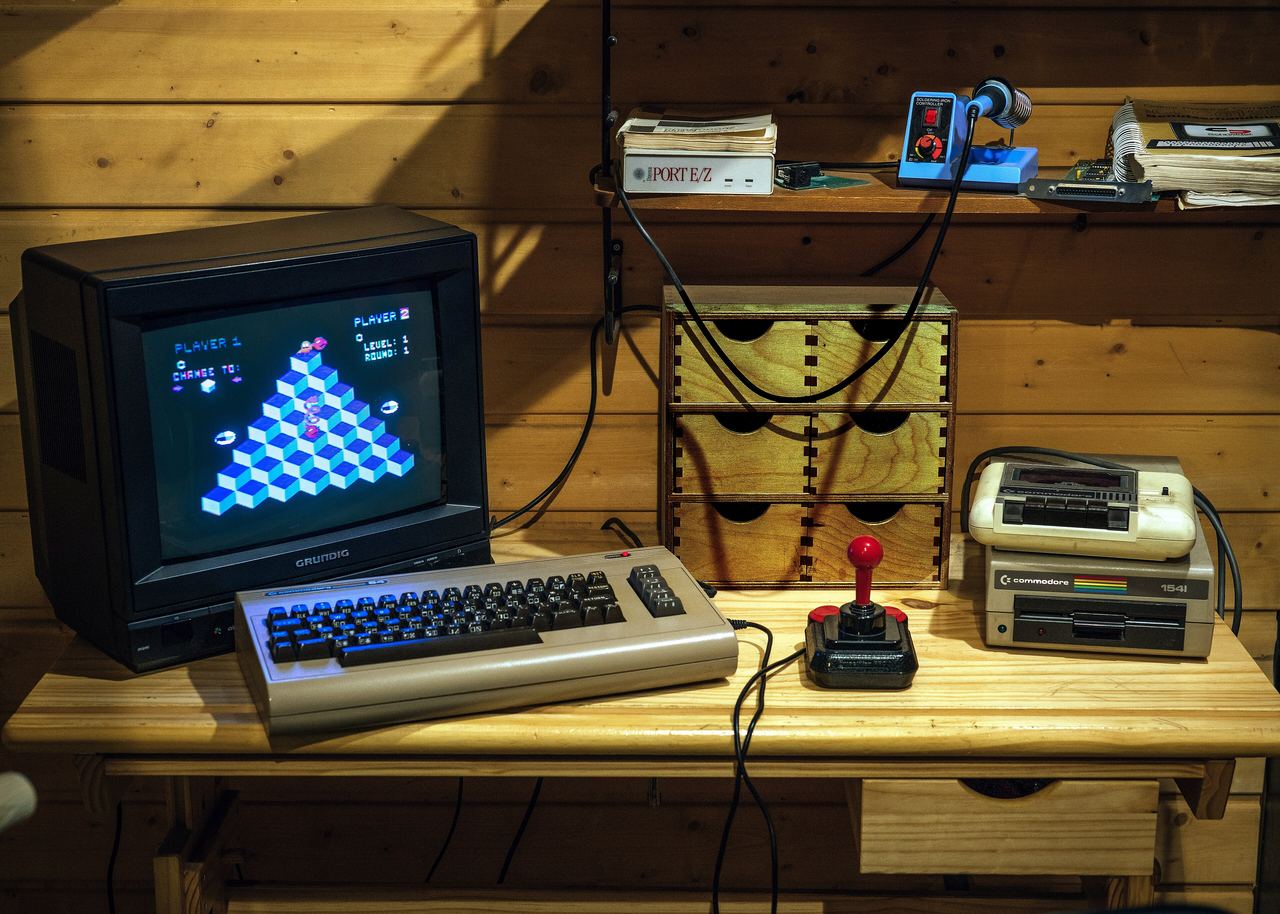
Photo Credit
Image courtesy of © Marcin Wichary, CC BY 2.01983–1985: Nintendo and Mario
Nintendo’s Family Computer launched in Japan in 1983 and, as the Nintendo Entertainment System, reached America in 1985, after an industry crash had convinced many retailers that home video games were finished. Super Mario Bros., the same year, showed otherwise: a plumber running from left to right across the Mushroom Kingdom, jumping on everything in his path. Nintendo has sold 61.91 million of the consoles, and Mario has never stopped running.
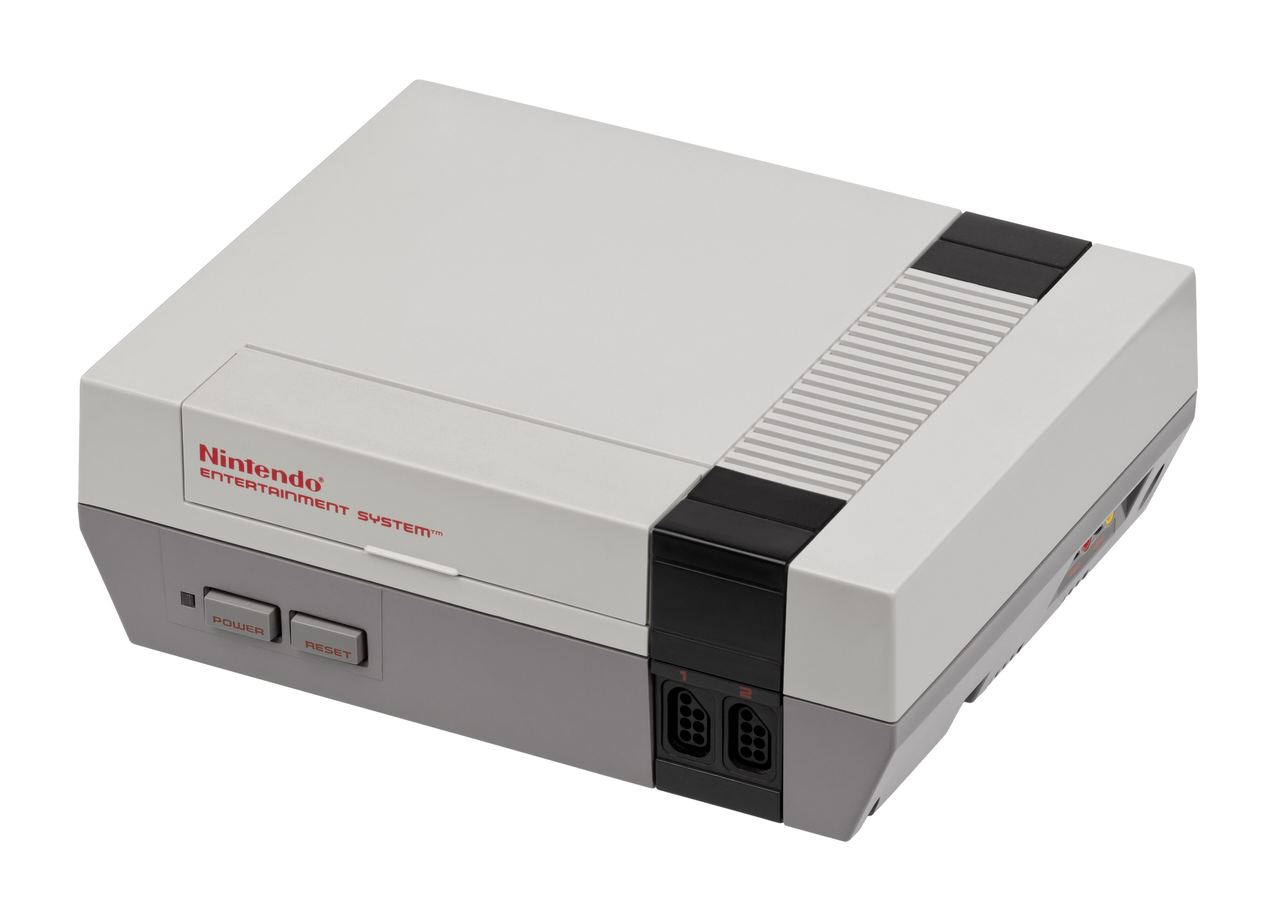
Photo Credit
Image courtesy of © Evan Amos, public domain1989: Game Boy and Tetris
Tetris was created in 1984 by Alexey Pajitnov, a researcher at a computing centre of the Soviet Academy of Sciences in Moscow: seven shapes, falling for ever. In 1989 Nintendo packed it with the Game Boy in North America, a grey brick of a handheld that ran for hours on four AA batteries. The pairing was perfect, and slightly dangerous to productivity. Nintendo has sold 118.69 million Game Boy and Game Boy Color consoles.
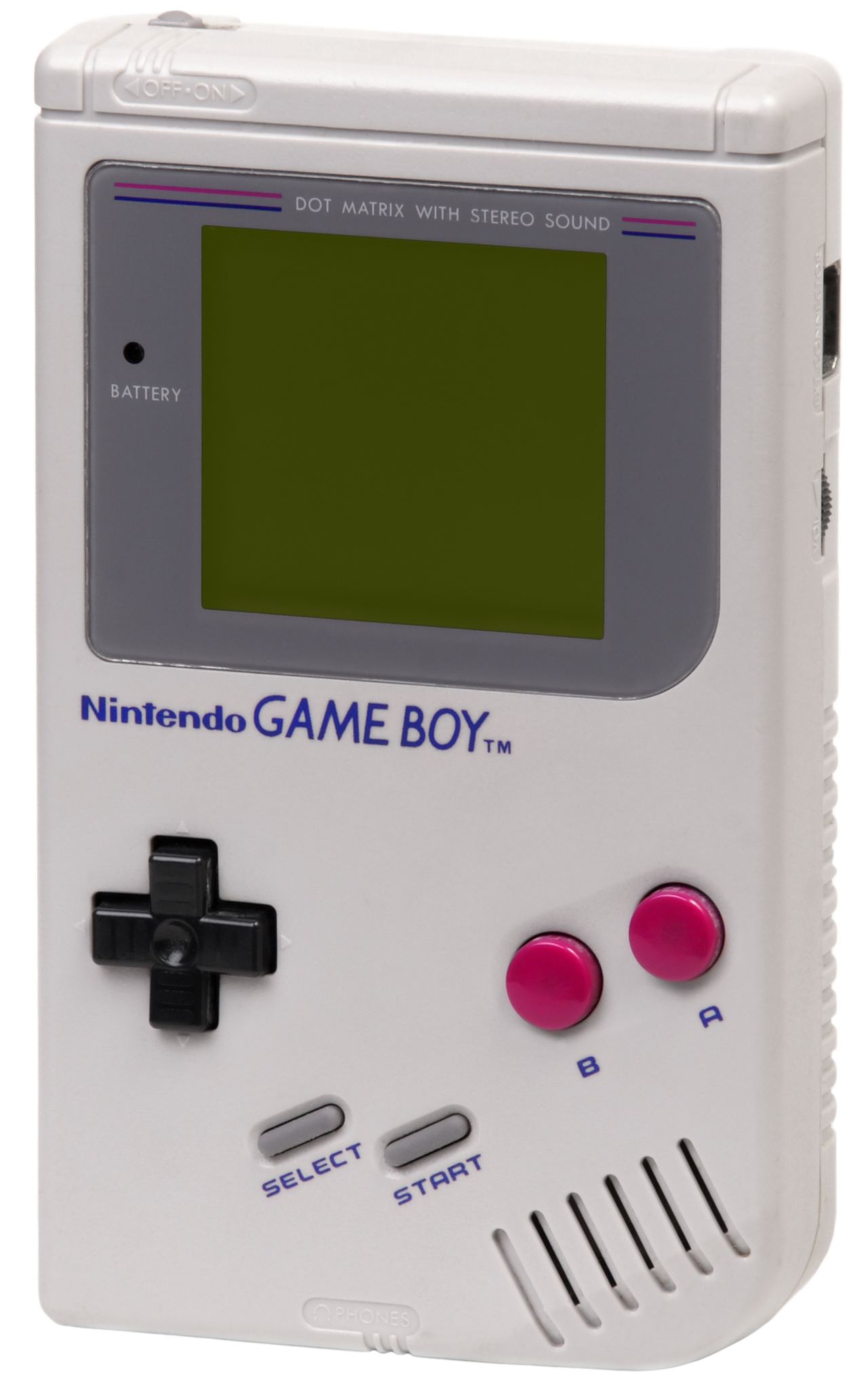
Photo Credit
Image courtesy of © Evan Amos, public domainSega vs Nintendo
Then came the console wars. Sega’s Mega Drive, launched in Japan in 1988 and in America as the Genesis in 1989, took on Nintendo with attitude and a slogan to match, “Genesis does what Nintendon’t”. In 1991 it found its mascot: Sonic the Hedgehog, a blue blur designed to make Mario look leisurely. Playgrounds took sides, and the rivalry gave a generation its first tribal loyalty.
1994: PlayStation
Sony’s PlayStation, launched in Japan in December 1994 and in Europe in September 1995, began as a CD-ROM partnership with Nintendo that fell apart. Sony built its own machine instead, and its discs, 3D graphics and grown-up marketing took games out of the playroom and into the living room and the nightclub. Nintendo, in other words, had helped create its own rival.
Sony has sold more than 102.4 million; its successor, the PlayStation 2, more than 160 million, the largest total Sony has published for any console.
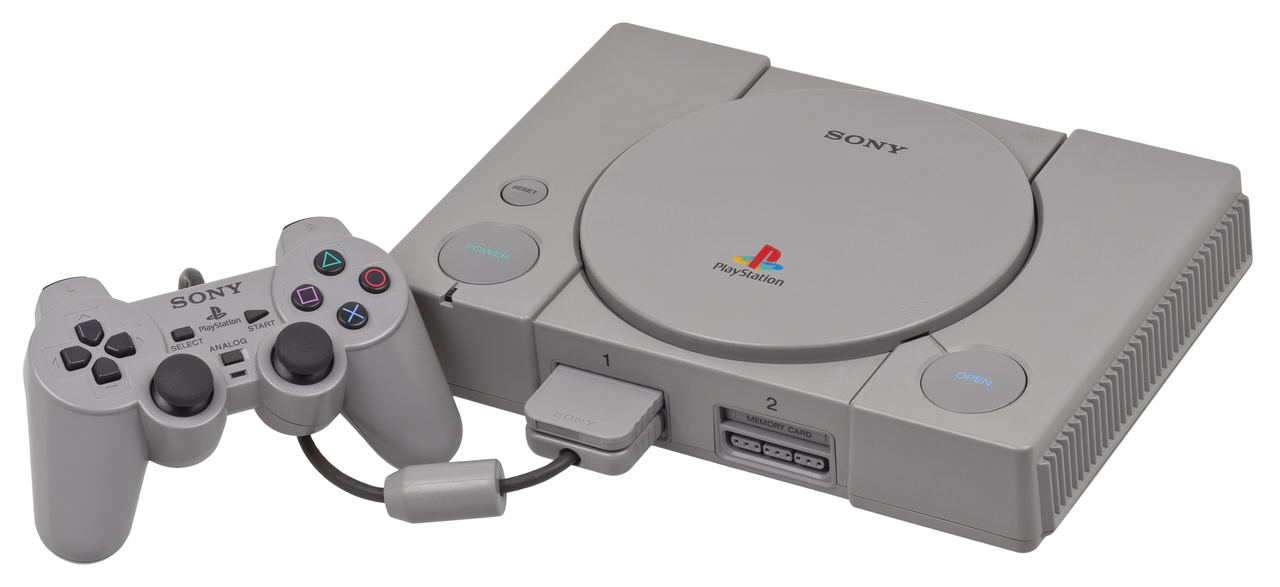
Photo Credit
Image courtesy of © Evan Amos, public domain1993 onwards: FIFA
EA’s FIFA International Soccer appeared in 1993 and grew into an autumn ritual, released every year with the regularity of a new season. In 2023, when the licence with football’s governing body ended, the series was renamed EA Sports FC. The clubs and the players stayed; only the badge on the box changed.
Visit a games museum with someone who was there: every cabinet comes with a story about the one that got away.
2003–2004: Call of Duty and World of Warcraft
Call of Duty, from Infinity Ward in 2003, began as a Second World War shooter and became an annual event as reliable as the football. A year later Blizzard’s World of Warcraft opened its realm of Azeroth to players online, and the monthly subscription became a habit: Blizzard reported more than 12 million subscribers at its peak in 2010. Some of them, it is said, have still not logged off.
2006: Wii
Nintendo’s Wii, launched in 2006, did the unthinkable: it got grandparents bowling in the sitting room. Its motion-sensing controller made games something people of every age could pick up without instructions. Nintendo has sold 101.63 million, and many a living-room lamp has paid the price.
2007–2009: iPhone and mobile gaming
The iPhone arrived in 2007 and Apple’s App Store in 2008, and suddenly the most popular games machine in the world was in everyone’s pocket. Rovio, from Finland, launched Angry Birds in 2009, and the bus queue became an arcade. It brought games to millions who would never have called themselves gamers, which is precisely why it worked.
2010: Red Dead Redemption
Rockstar’s Red Dead Redemption, in 2010, showed that an open world could be a place of melancholy as well as mayhem: a vanishing American frontier seen through the eyes of a former outlaw, John Marston. Its sequel in 2018 has sold more than 89 million units, according to Take-Two. For many players these are the games that first made them feel something at a sunset.
2009–2011: Minecraft
Minecraft began as a one-man project by Markus Persson in Stockholm, first released in 2009 and finished in 2011. Its blocky worlds, where players dig, build and survive the night, became a digital Lego for a generation. Microsoft bought its maker, Mojang, in 2014 for $2.5 billion, and the game has sold more than 350 million copies, according to its makers. Not bad for a world made entirely of cubes.
2017: Fortnite and Switch
Fortnite, from Epic Games, took its battle royale mode public in 2017 and turned a game into a venue: in April 2020 a virtual Travis Scott concert drew 12.3 million players at once. The same year Nintendo released the Switch, a console that slips from the television into your hands. With 157.20 million sold, it is the best-selling console Nintendo has ever made.
The present
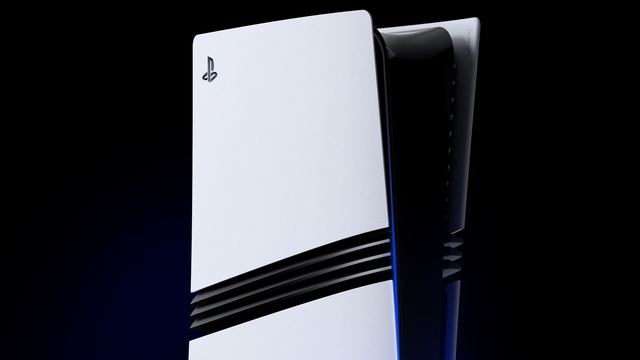
Today Sony says it has sold more than 100 million PlayStation 5 consoles, and Nintendo’s Switch 2, launched in June 2025, had passed 26 million by the end of September 2026. On 19 November, Grand Theft Auto VI returns to Vice City, the neon city the series first created in 2002. Fifty-four years after Pong, the ball is still in play.
Why it's on our list
- Pong, Space Invaders and Pac-Man
- Britain’s bedroom coders
- Nintendo, Sega and PlayStation
- FIFA, Call of Duty and World of Warcraft
- Mobile, Minecraft and Fortnite
- The consoles of today
Location
The map comes from Google Maps, which sets its own cookies once it loads.
More in depth
 CompareConsoles compared: PlayStation, Xbox, Switch 2 and the handheldsPS5 and PS5 Pro, Xbox Series X|S, Switch 2 and the best handhelds: which one suits whom.
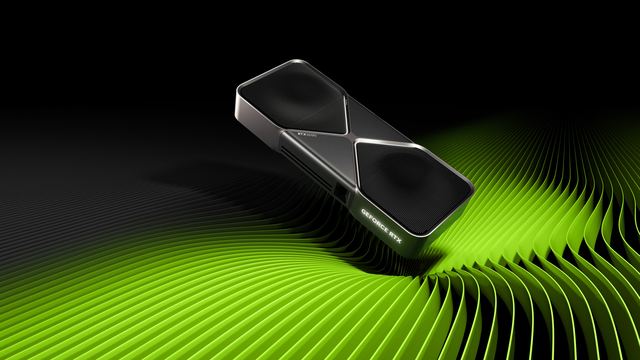 CompareGaming PCs compared: graphics cards, laptops and desktopsRTX 50 series vs Radeon, the flagship gaming laptops and desktops, and what the numbers mean.
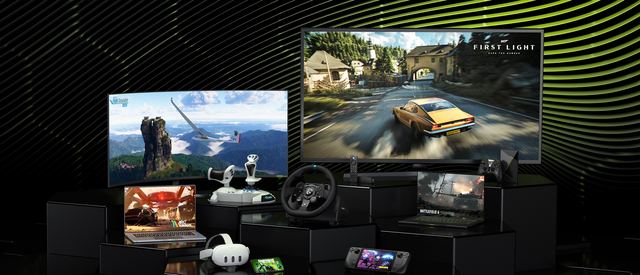 GamingGaming tech explained: ray tracing, DLSS, VRR and the cloudRay tracing, DLSS and FSR, frame generation, VRR, HDR, 4K/120 and cloud gaming, decoded.