Film
Brighton Rock: the seaside city Richard Attenborough made ominous
Boulting’s film put Greene’s Pinkie on the pier and in the Lanes. Much of it is still there to walk.

Photo Credit
Image courtesy of © Arild Vågen · CC BY-SA 4.0 via Wikimedia CommonsGraham Greene’s novel appeared in 1938. John Boulting’s film, adapted by Greene and Terence Rattigan, was made in 1947 and released in January 1948, with Richard Attenborough as Pinkie, Carol Marsh as Rose and Hermione Baddeley as Ida. The BFI’s location guide shows how much of its Brighton survives.
Watch John Boulting’s Brighton Rock, then follow its route: from Brighton station down Queen’s Road to North Street and Meeting House Lane, through Old Steine towards the Palace Pier. Allow longer if you want the Royal Pavilion too, or keep it to a short walk through the film’s geography. The BFI’s frame-by-frame location guide shows what you can still recognise.
A novel and a face the camera could follow
Greene’s novel appeared in 1938. Boulting directed the film from a script by Greene and Terence Rattigan; the BBFC classified it in September 1947 and it opened in January 1948. Richard Attenborough brought his West End Pinkie Brown to the screen, with Carol Marsh as Rose and Hermione Baddeley as Ida. Daylight is the film’s cleverest weapon: a young gangster’s unease set against a town built to welcome visitors.
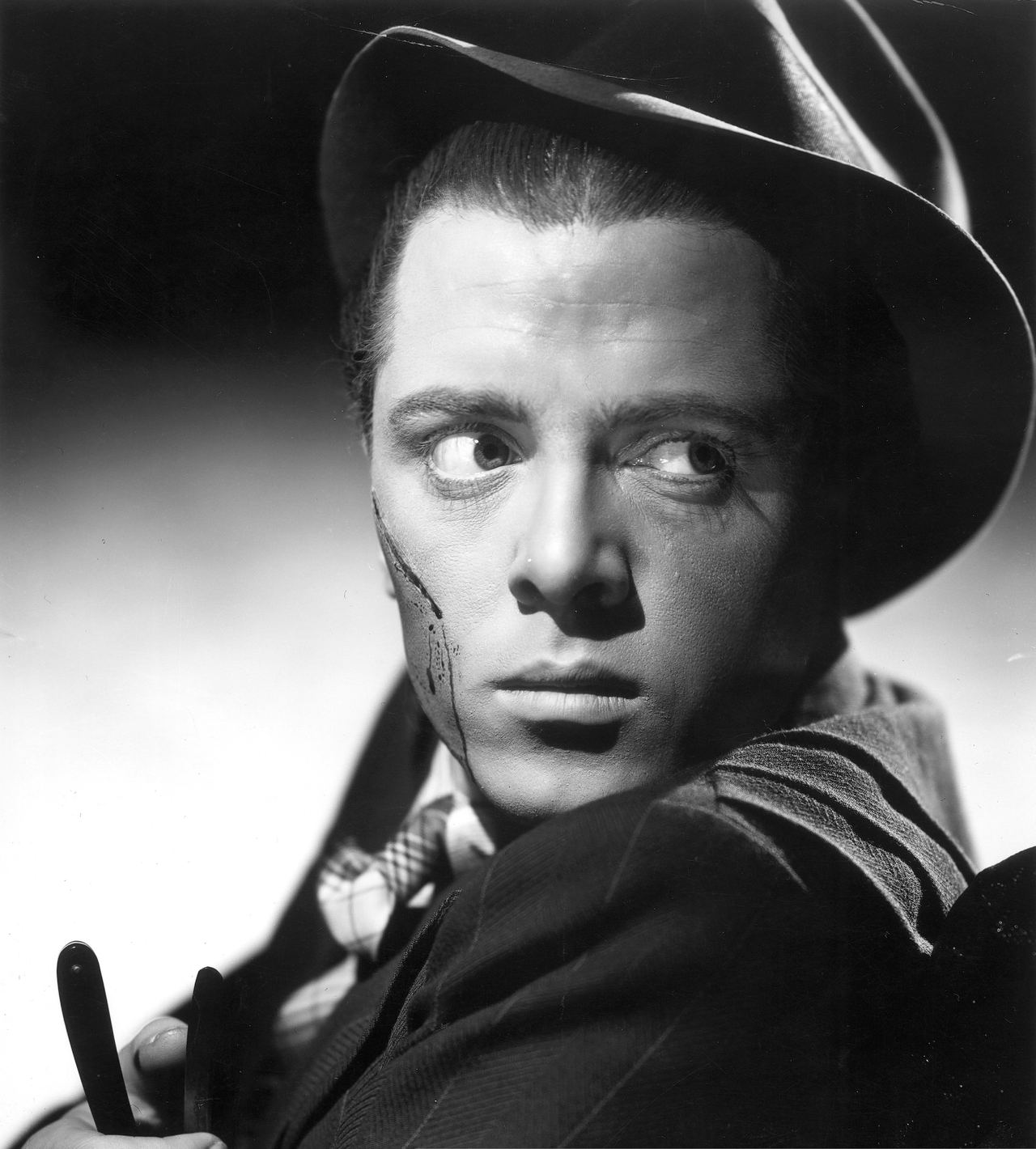
Photo Credit
Image courtesy of © STUDIOCANALHow the film used Brighton
Boulting opens with views everyone knew: the Royal Pavilion from Old Steine, the Grand Hotel. In the early chase the story runs through Meeting House Lane, onto North Street and up to the station. The movement does what a postcard cannot. It makes the visitor’s city feel as though it has routes better known to people who need to leave in a hurry, and it turns the station, an arrival point for most viewers, into the place of escape.

Photo Credit
Image courtesy of © Davwheat · CC BY-SA 4.0 via Wikimedia CommonsThe pier
The Palace Pier is at the centre of the production, its scenes mixing location filming with studio work. Compare the BFI’s stills of Grand Junction Road, the pier entrance and the area near the Palm Court Restaurant. In a handful of shots a place built for pleasure becomes a place where a person can be followed. This is the film’s Brighton at its most recognisable and most unsettling.
Pinkie can walk anywhere among the crowds and still make a place feel suddenly empty.
Why the film’s city lasted
Book and film are companions with different endings and emphases. The BFI archive even keeps a poster with another title, The Worst Sin, used for some overseas audiences and taken from a line of Rose’s. The title that lasted keeps the place essential.
After the walk, look back towards the Pavilion and the pier: the film depends on the brightness people came to Brighton for, and on how easily a story could move through the same streets on very different terms.
Why it's on our list
- A novel and a face the camera could follow
- How the film used Brighton
- The pier
- Why the film’s city lasted
Location
The map comes from Google Maps, which sets its own cookies once it loads.
More in depth
 The back storyBrighton on film: Brighton Rock, Quadrophenia and the Hove pioneersHove’s cinema pioneers, Brighton Rock, the Mods of Quadrophenia and Mona Lisa: Brighton on screen.
 Film peoplePhilip Bloom: the cameraman who taught Brighton Beach to see in the darkFrom 17 years at Sky News to Skywalker Ranch: the British cameraman who made Brighton Beach a star.
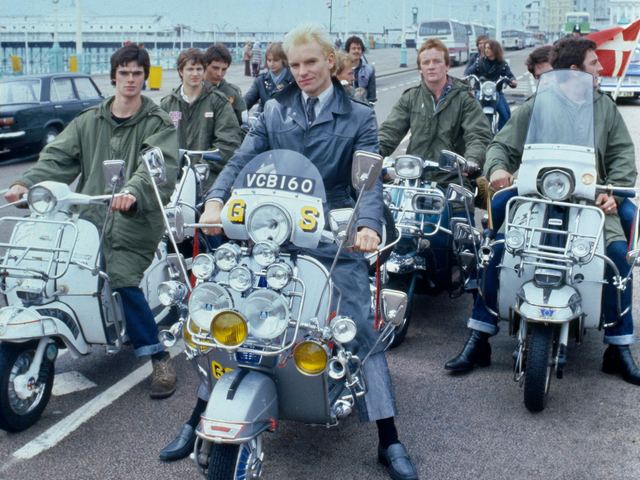 FilmQuadrophenia and the Brighton weekend the cinema made its ownThe 1964 bank-holiday clashes, The Who’s album, Franc Roddam’s film and a Lambretta in the museum.