The back story
Brighton Festival and the Fringe: the back story
Two festivals, one May: the curated one, the open-door one, and how to get the best of both.
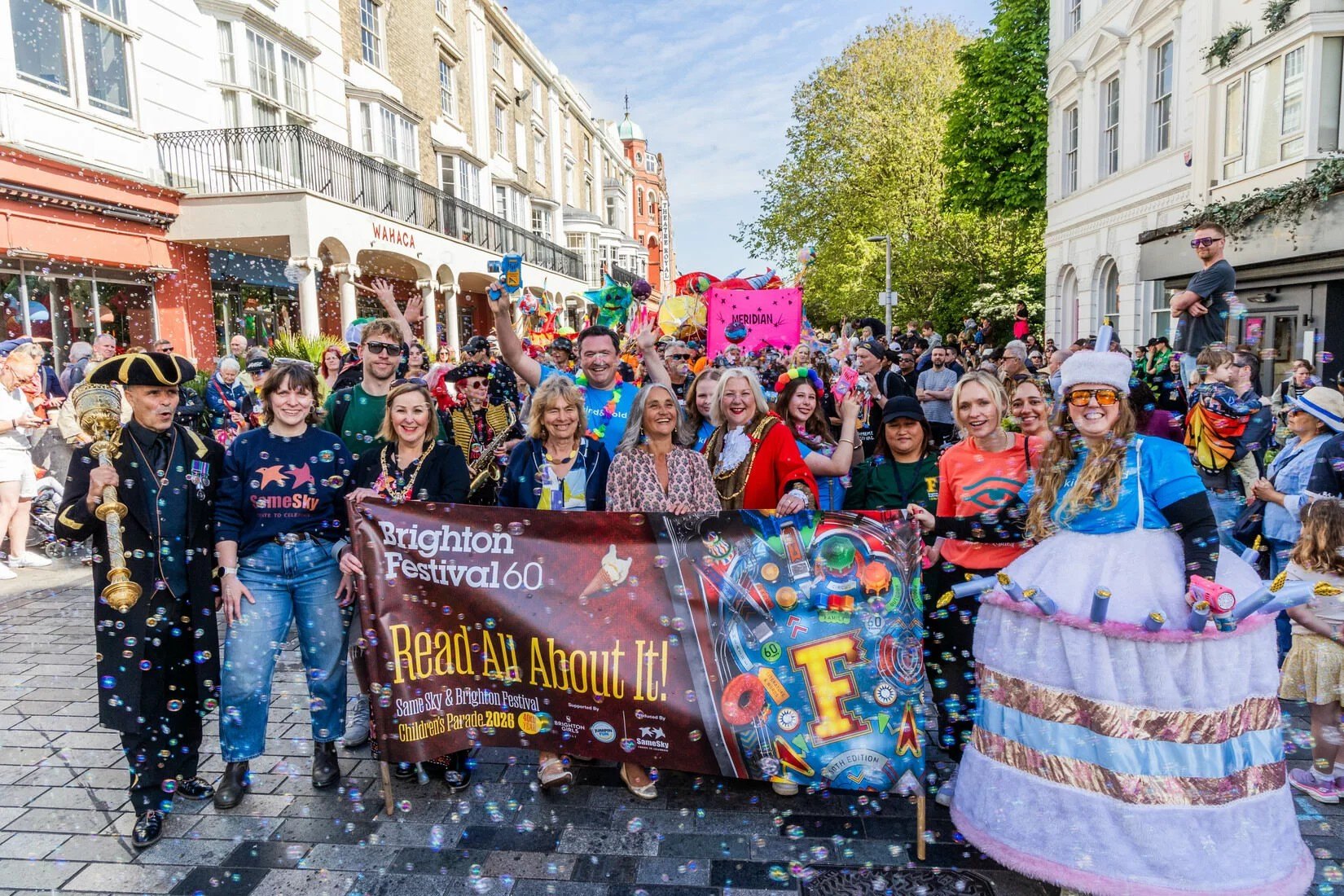
Photo Credit
Image courtesy of © Brighton FestivalEvery May Brighton turns into a stage. Brighton Festival, founded in 1967, is curated, commissioned and led each year by a guest artist. Brighton Fringe, which grew up beside it, lets anyone with a venue and an idea take part, and has become the largest annual arts festival in England. Here is how the two fit together, and how to make the most of the month.
Some cities have a festival. In May, Brighton is one. For four weeks the city fills with theatre in pubs, cabaret in tents, circus in parks and concerts in places that are not normally concert halls. Two organisations are behind it, and visitors often mix them up. They are related, they overlap, and they are not the same thing.
Born in 1967
Brighton Festival came first. The first moves were made in 1964, a conference followed in 1965, and the first festival was held in 1967. It opened with a programme that set the tone: the first exhibition of concrete poetry in the UK, alongside performances by Laurence Olivier and Yehudi Menuhin.
Its first artistic director, Ian Hunter, wanted the festival to put the serious and the apparently flippant side by side, which remains a fair description of the city.
The festival has run every May since, with one exception: in 2020 it was cancelled for the first time, because of the pandemic. It celebrated its 50th anniversary in 2016 and reached its 60th edition in 2026. It is a multi-arts festival, with music, theatre, dance, circus, art, film, literature, debate, outdoor shows and family events, and it commissions a great deal of new work.
A guest at the helm
Since 2009 Brighton Festival has invited a guest artist to shape each year’s programme. The list reads like a who’s who of the curious: Anish Kapoor in 2009, Brian Eno in 2010, Laurie Anderson in 2016, Kae Tempest in 2017, David Shrigley in 2018 and Frank Cottrell-Boyce in 2024, among others.
Their programmes can be gloriously odd. Laurie Anderson’s year brought the UK premiere of Music for Dogs, a concert designed for the canine ear, along with an installation of Lou Reed’s guitars and amplifiers left to feed back. The same festival staged Dr Blighty, an outdoor installation about the wounded Indian soldiers treated in Brighton during the First World War.
The fringe that outgrew the festival
Fringe events have run beside the festival since 1967. In 1972 a Sussex University student set up a society to stage them, and its first production, a play about Aubrey Beardsley, went on to the Edinburgh Fringe. For decades the fringe was the festival’s scruffy younger sibling.
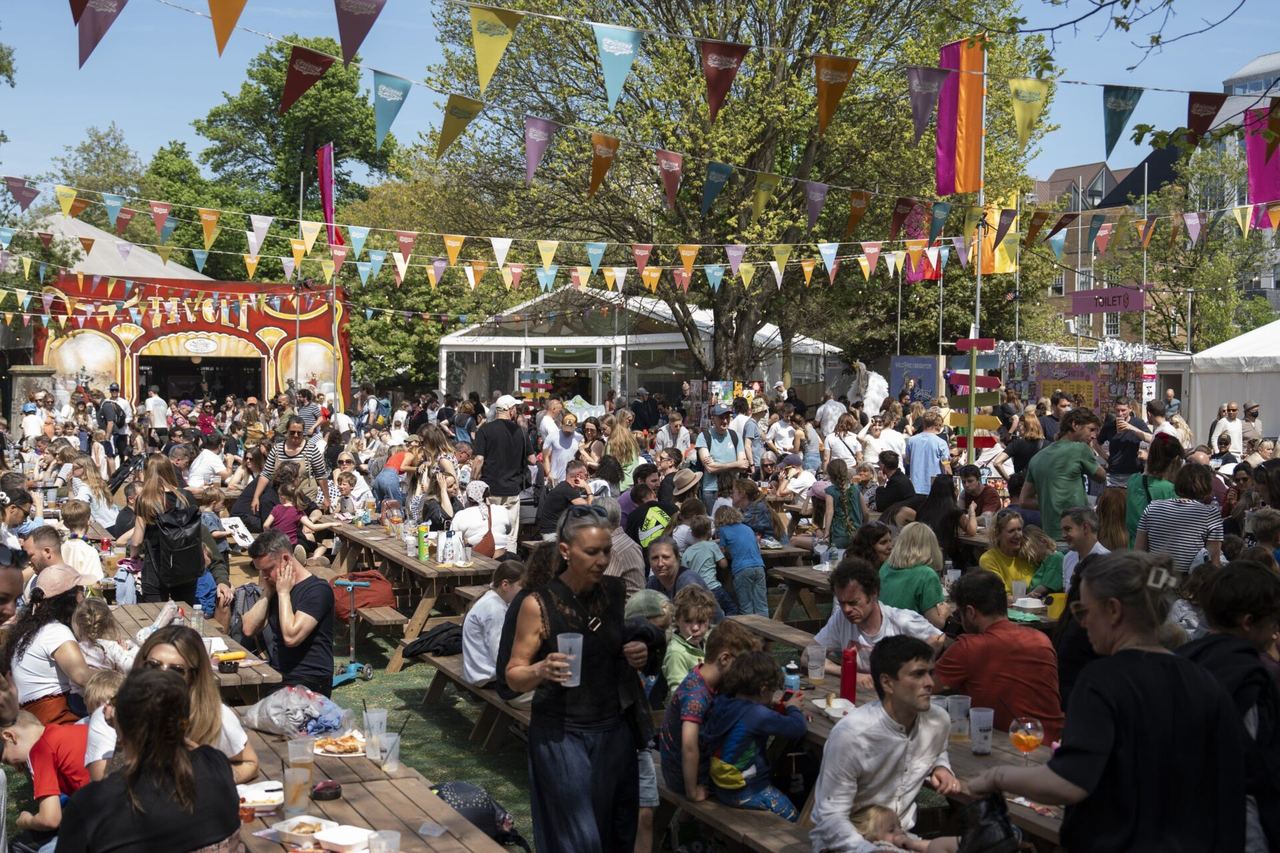
Photo Credit
Image courtesy of © Brighton FringeThen it grew up. In October 2006 it became a company and registered charity in its own right, independent of the festival, and in 2012 it took the name Brighton Fringe. It more than doubled in size, from 323 shows in 2007 to 719 in 2012, and in 2013 extended its run to four weeks. By 2018 its programme held more than a thousand events in over 160 venues.
It is now the largest annual arts festival in England and one of the biggest fringes in the world.
Brighton Festival once staged a concert written for dogs, and Brighton has never quite recovered its sense of proportion.
Anyone can play
The difference between the two is simple. Brighton Festival chooses and commissions its programme. Brighton Fringe is open access: it does not book performers, so anyone can register an event and agree terms with a Fringe venue. That is why the Fringe is where you find first-time shows, Edinburgh try-outs and acts you will be boasting about having seen before they were famous.
The Fringe has a gift for unusual stages. In 2012 it put performances inside six custom-built Victorian bathing machines dotted around the city, a nod to the town’s seaside past. Its tented hub and garden, Fringe City, give the month a centre, and its Spiegeltent has become a fixture.
The Fringe is also unusual in how it pays its way. It is a registered charity, but less than three per cent of its income comes from public sources; most comes from performers’ registration fees, advertising, sponsorship and Friends memberships.
How to do May in Brighton
Pick an anchor and drift. Book one or two Brighton Festival shows early, usually at Brighton Dome and the other main venues, then leave space for the Fringe, where tickets are cheaper and decisions are best made on the day. Some of the best moments happen outdoors, especially on opening weekend, when the Children’s Parade fills the streets.
The 2027 Brighton Festival runs from 1 to 23 May. Book accommodation early: in May, half of England seems to want a room by the sea, and the other half is performing.
Questions and answers
When is Brighton Festival 2027?
1 to 23 May 2027, according to the festival.
What is the difference between Brighton Festival and Brighton Fringe?
Brighton Festival curates and commissions its programme, led each year by a guest artist. Brighton Fringe is open access: anyone can register an event with a Fringe venue.
How big is Brighton Fringe?
It is the largest annual arts festival in England. Its 2018 programme had more than a thousand events in over 160 venues.
When did Brighton Festival start?
In 1967.
Why it's on our list
- Born in 1967
- A guest at the helm
- The fringe that outgrew the festival
- Anyone can play
- How to do May in Brighton
Location
The map comes from Google Maps, which sets its own cookies once it loads.
More in depth
 The back storyGoing to the dogs in Hove: the back storyNearly a century of race nights in Hove, from a hand-cranked hare to the Gold Collar.
 The back storyBrighton’s music makers: the back storyFrom ABBA at the Dome to five hundred new bands every May: why Brighton keeps making music.
 The back storyGetting married in Brighton: the back storyA town hall, a pier, a glass pod in the sky: how and where Brighton says ‘I do’.