The back story
Alternative medicine in Brighton & Hove: the back story
From Dr Russell’s sea-water cure to Hove’s herb jars: what’s on offer, and how to check a register.
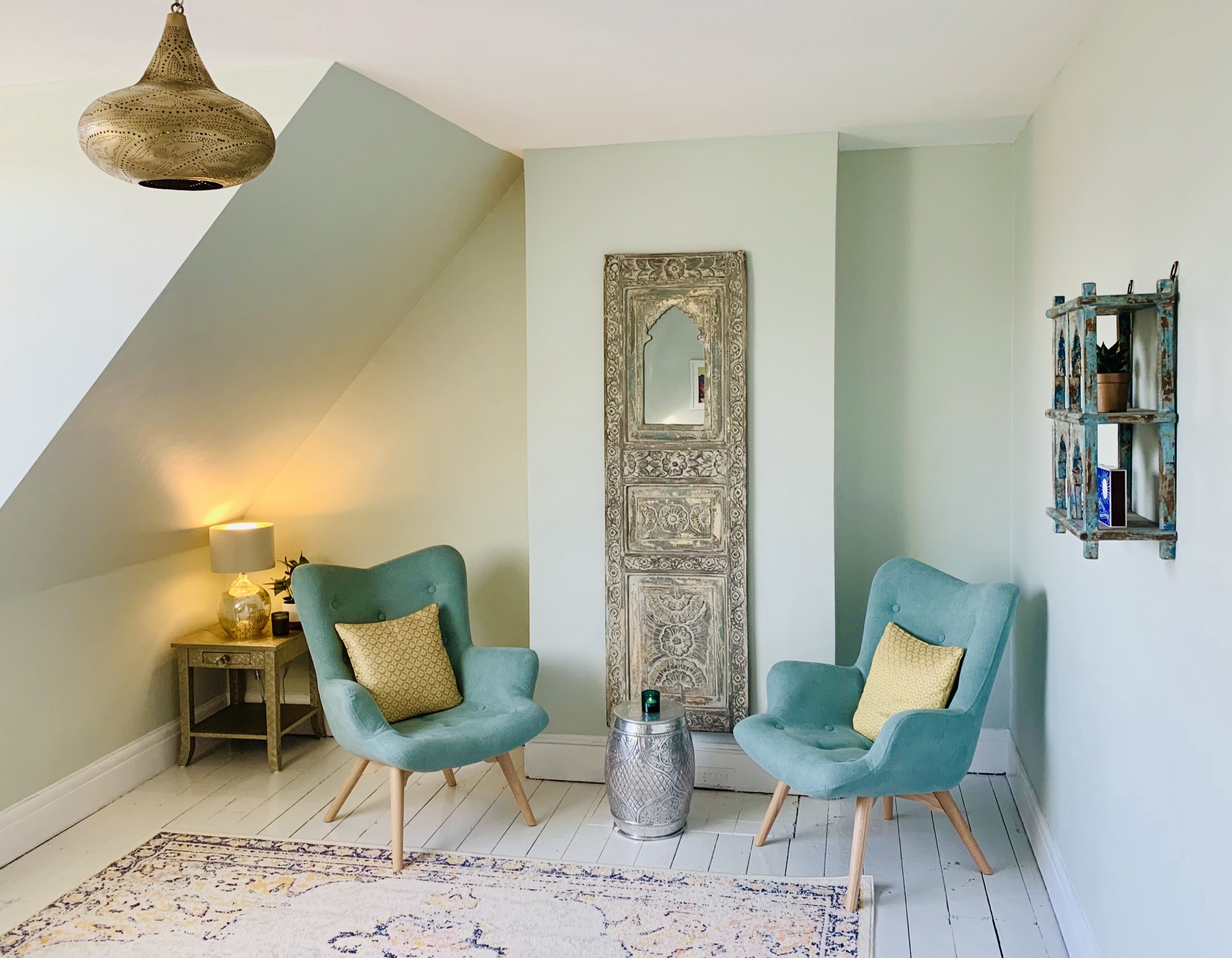
Photo Credit
Image courtesy of © Tree of Life CentreBrighton’s first visitors came to be cured, and the city never quite lost the habit. Today Hove and Brighton hold acupuncturists, herbalists, homeopaths, osteopaths and teachers of the Alexander Technique by the dozen. What each practice involves, where to find it, and the plain, unglamorous business of checking who you are seeing.
Most seaside towns grew from a harbour, a market or a road. Brighton grew from a prescription. In the middle of the eighteenth century a physician told his patients to bathe in the sea and, less appealingly, to drink it, and a fishing village called Brighthelmstone became a resort. A city with an unusually long list of acupuncturists, herbalists and homeopaths is, in that light, less a fashion than a family trait.
A town built on a prescription
The physician was Dr Richard Russell. His dissertation on the use of sea water was published in Latin at Oxford in 1750, and Brighton & Hove Museums credit him with popularising both sea bathing and the drinking of seawater. He built what was then the biggest house in Brighton, on the site where the Royal Albion Hotel now stands, and his remedies also called for woodlice, tar and crabs’ eyes. Modern patients may count their blessings.
In Hove, the springs offered a gentler tonic. St Ann’s Well, now a public park off Somerhill Road, was a chalybeate spring, its iron-rich water once drawn at a pump house. It was revived as pleasure gardens in the 1880s; from 1892 the film pioneer George Albert Smith ran them and built a film studio there, and Hove Council bought the gardens in 1907 and opened them to the public a year later.
The shampooing surgeon
The most glamorous of Brighton’s early practitioners came from India. Sake Dean Mahomed arrived in 1814 and opened indoor baths in Pool Valley on the seafront, offering “Indian medicated vapour baths” and shampooing, which in his day meant a therapeutic massage rather than anything to do with hair. Brighton & Hove Museums record that he became shampooing surgeon to two kings, George IV and William IV.
He wrote a book on the subject, Shampooing, or, Benefits resulting from the use of the Indian medicated vapour bath, and the Royal College of Surgeons notes that he received a Royal Warrant. He died in February 1851 and is buried in the churchyard of St Nicholas, a few minutes’ walk uphill from the baths. Few men have done more for the reputation of a word that now mostly means a bottle beside the bath.
Why here?
The sea cure explains the start; it doesn’t explain the present. Brighton & Hove is a city of independents, and complementary medicine fits the pattern: small practices, often one practitioner and one room, sharing buildings and reception desks. Tree of Life on Portland Road counts more than 50 practitioners and teachers; The Practice Rooms on Ship Street and The Sun Clinic in a North Laine mews let rooms to independents.
The question a magazine should ask is not whether this is a good thing or a bad one, but what a visitor or a new resident actually needs to know. What happens in a session? Who regulates it, and who doesn’t? And what does a membership number on a website really promise? The rest of this piece takes those in turn, practice by practice, and keeps the claims where they belong: with the practitioners, and with the evidence.
Needles and herb jars
Acupuncture is the most familiar of the imports. In a session, after a consultation about health and lifestyle, the practitioner places very fine, single-use needles at chosen points on the body and leaves them for a while. Many add related techniques: moxibustion, which warms points with smouldering dried mugwort; cupping, where glass or silicone cups are held to the skin by suction; and gua sha, a smooth tool drawn across the skin.
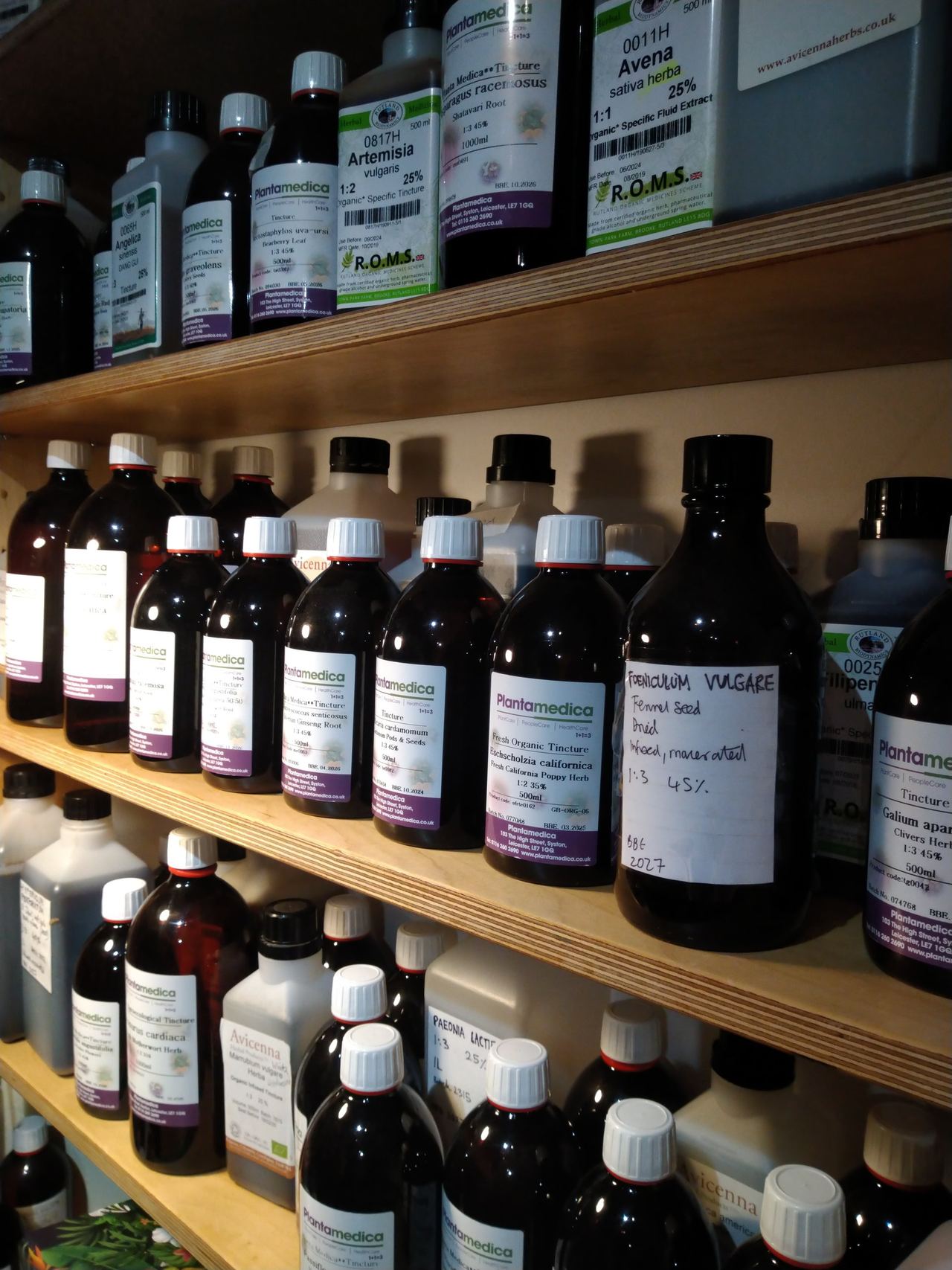
Photo Credit
Image courtesy of © Jessie MartelhofChinese herbal medicine is the other half of the tradition. A practitioner writes a formula, often of a dozen or more dried roots, barks, seeds and flowers, weighed out by hand or made up as granules or pills. The traditional form is the decoction: the herbs simmered in water and drunk as a tea whose taste is part of the folklore. At Herbs Kingdom the formulas are weighed on hand scales from rows of glass jars, like a sweetshop for the serious.
Herbs Kingdom has practised on Portland Road in Hove since 1998, by its own account; its practitioner is on the registers of both the Association of Traditional Chinese Medicine and the British Acupuncture Council. The Avicenna Centre on The Drive was founded by Mazin Al-Khafaji and offers herbal medicine, decoctions included, and acupuncture. Dan Scott, a BAcC member, adds qigong classes to acupuncture and herbs.
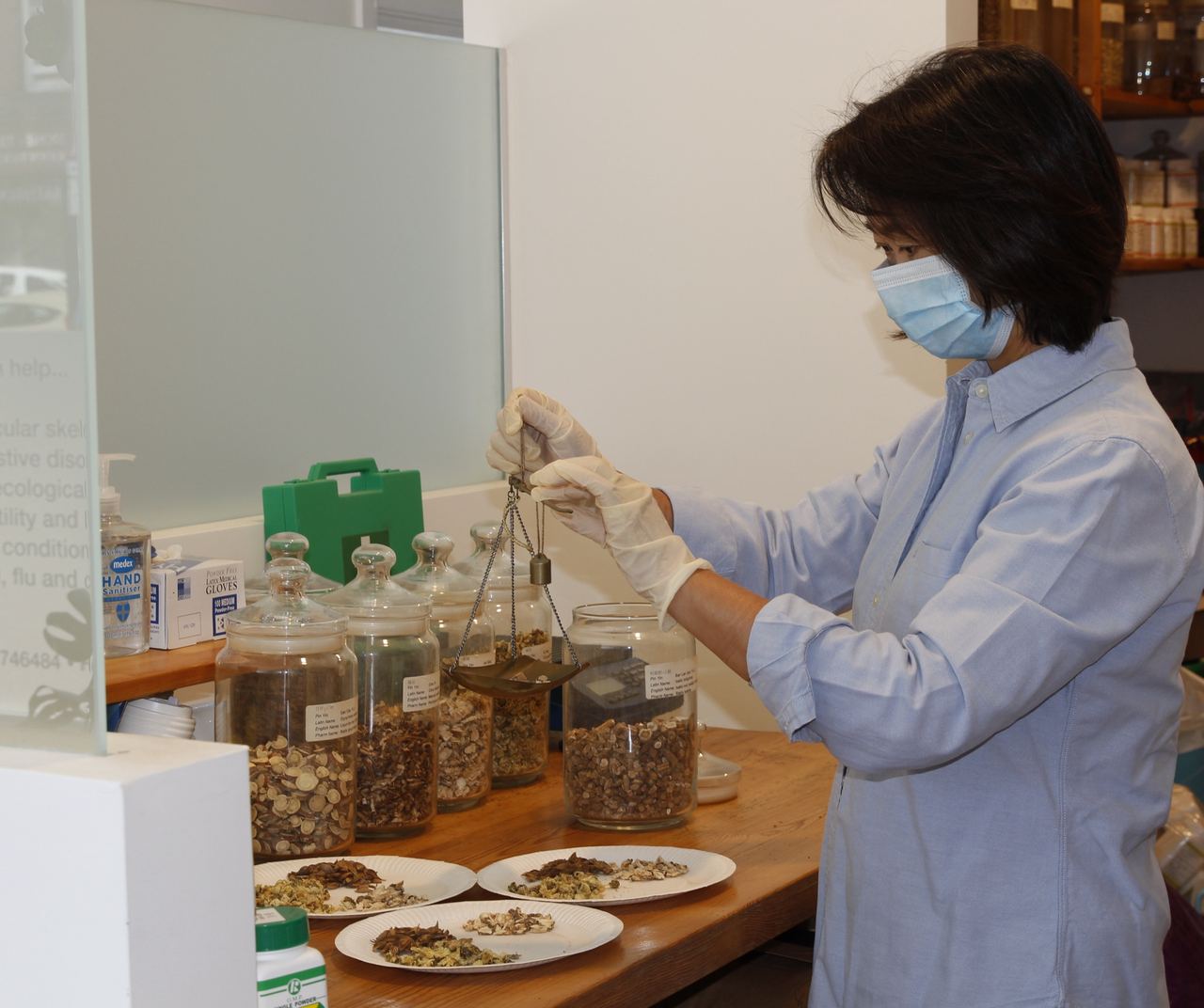
Photo Credit
Image courtesy of © Herbs KingdomIn the centre, Inbal Sivan’s Brighton Acuclinic on Ship Street offers acupuncture, herbal medicine and shiatsu, a Japanese pressure massage given through clothing. The Sun Clinic, in The Foundry on St George’s Mews, is home to several independent acupuncturists on the BAcC register. And in Kemptown, Anahata on Edward Street runs community acupuncture, several people treated together in one room, alongside its standard appointments.
Tinctures, remedies and posture
Western herbal medicine draws mostly on European and North American plants. A medical herbalist takes a long history, then prescribes tinctures (plant extracts in alcohol), teas, creams or capsules. At The Hummingbird Clinic near Fiveways, Jessie Martelhof, a member of the National Institute of Medical Herbalists, does exactly that from a dispensary of amber bottles, and leads herb walks for those who would rather meet the plants first.
Homeopathy works on a different principle again. Remedies are prepared by repeated dilution and shaking of a starting substance, often so far that little or none of it remains, usually given as small tablets after a long consultation. Anna Bihari offers homeopathy for adults and children at The Practice Rooms on Ship Street; she is on the Society of Homeopaths register, which, as the next section explains, is no longer a PSA accredited register.
The Alexander Technique is taught, not administered. Over a series of one-to-one lessons a teacher uses light hands-on guidance and plain instruction to show how you sit, stand, bend and walk, and how habits of tension creep into all four. Gregg Isaacson, a registered teacher with the Society of Teachers of the Alexander Technique, gives lessons from his studio on Warleigh Road, near Preston Park.
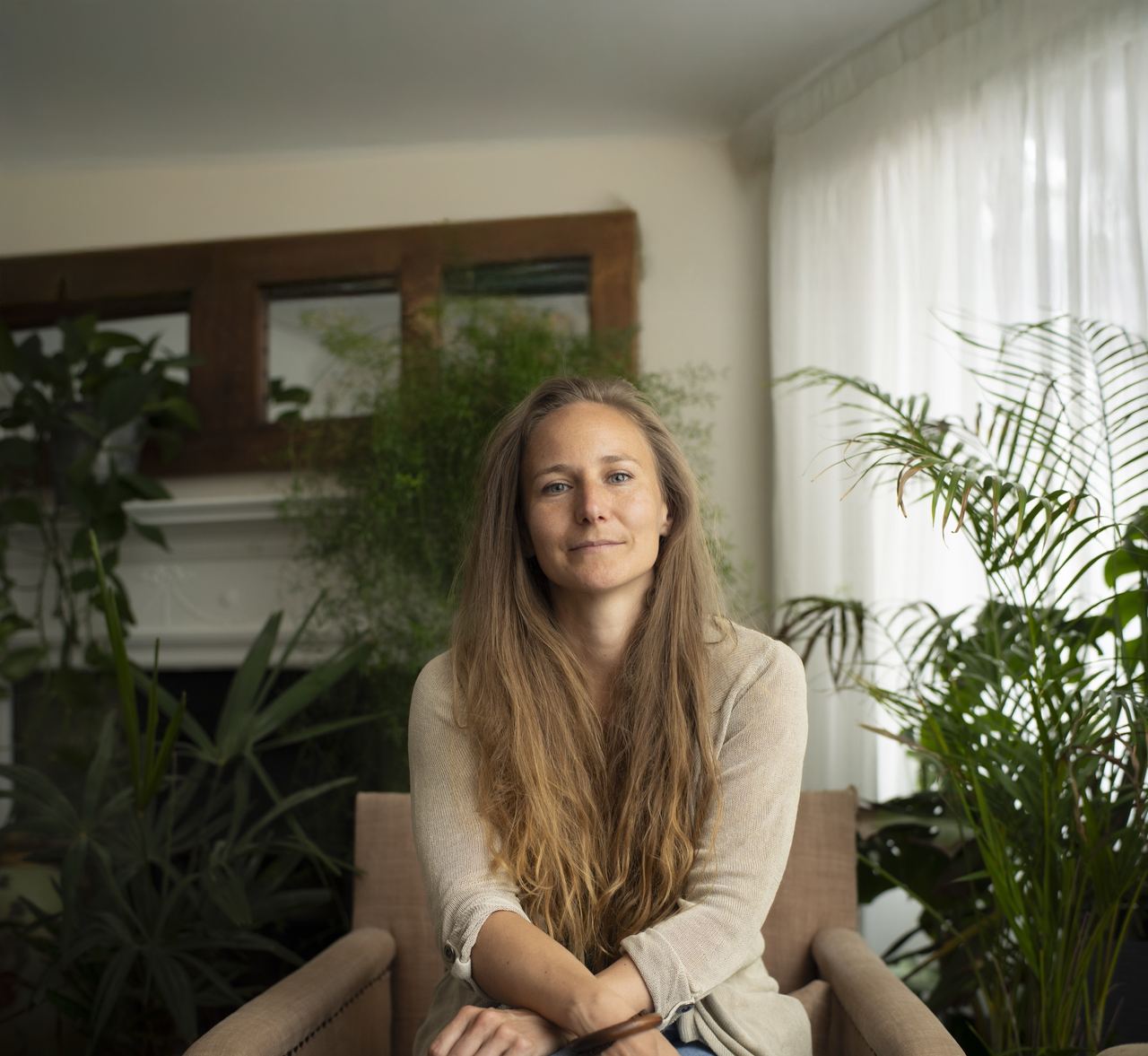
Photo Credit
Image courtesy of © Anna Bihari HomeopathyHands-on and under one roof
Then there are the houses where many disciplines share a door. Tree of Life Centre on Portland Road lists osteopathy, physiotherapy, acupuncture, herbal medicine, food intolerance testing and counselling, plus yoga, pilates and qi gong; out the back is a courtyard water garden with standing stones, a view few waiting rooms get. On The Drive, Natural Balance Therapies pairs a long massage menu with osteopathy, acupuncture and physiotherapy.
Anahata, a yellow corner building on Edward Street, calls itself a community clinic, with lower-cost treatments through a membership scheme. Its list stretches from acupuncture and osteopathy to reiki, in which the practitioner rests their hands lightly on or just above the body; Thai yoga massage, given fully clothed on a mat with assisted stretches; colonic hydrotherapy; EMDR; and hypnotherapy.
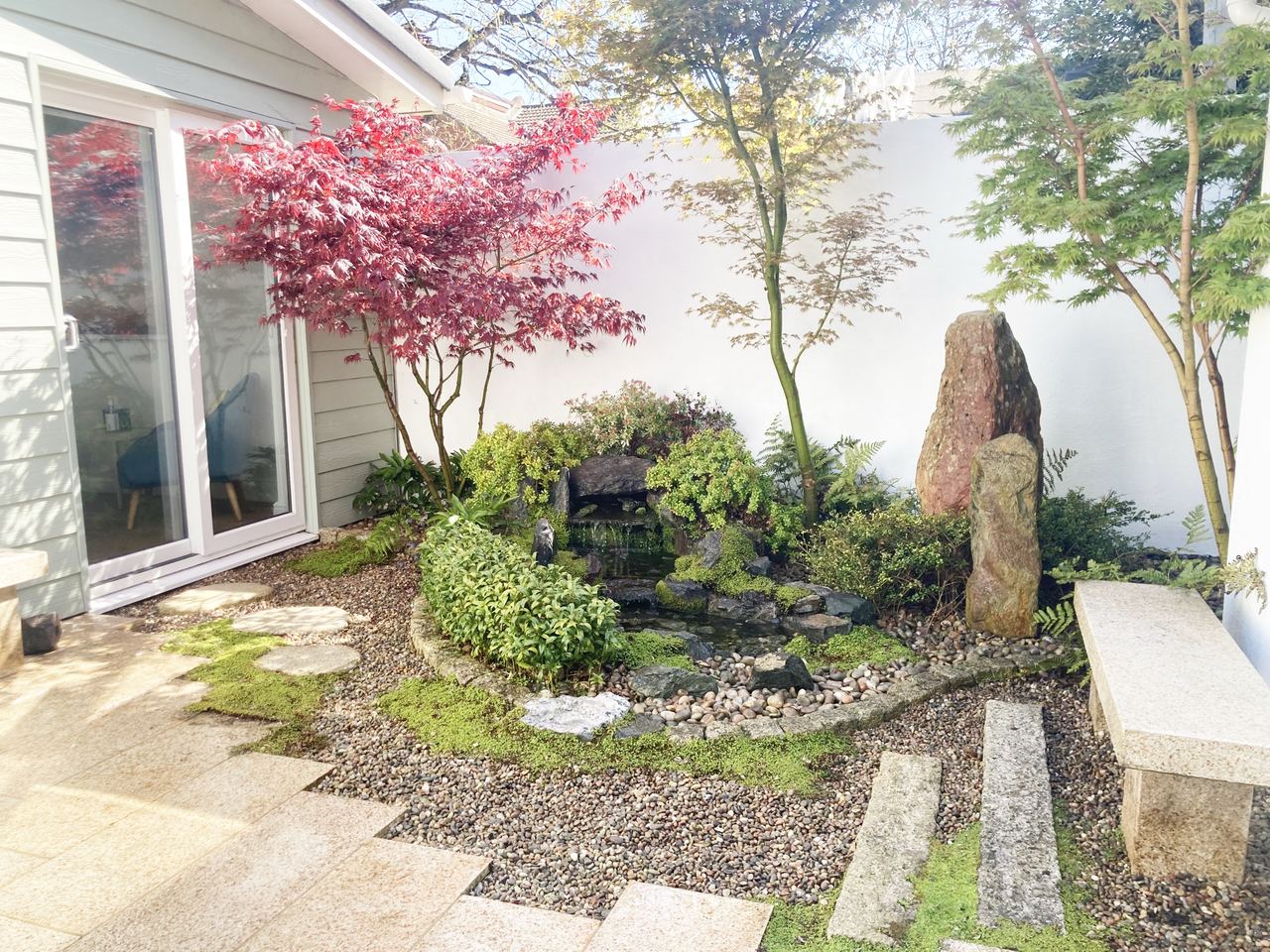
Photo Credit
Image courtesy of © Tree of Life CentreRegisters: what they do and don’t tell you
Here the tone changes, because the rules matter. Only two of these disciplines are regulated by law. Osteopaths must be registered with the General Osteopathic Council under the Osteopaths Act 1993, and chiropractors with the General Chiropractic Council under the Chiropractors Act 1994; both titles are protected, so it is an offence for anyone unregistered to use them. Check an osteopath on the GOsC register before the first appointment.
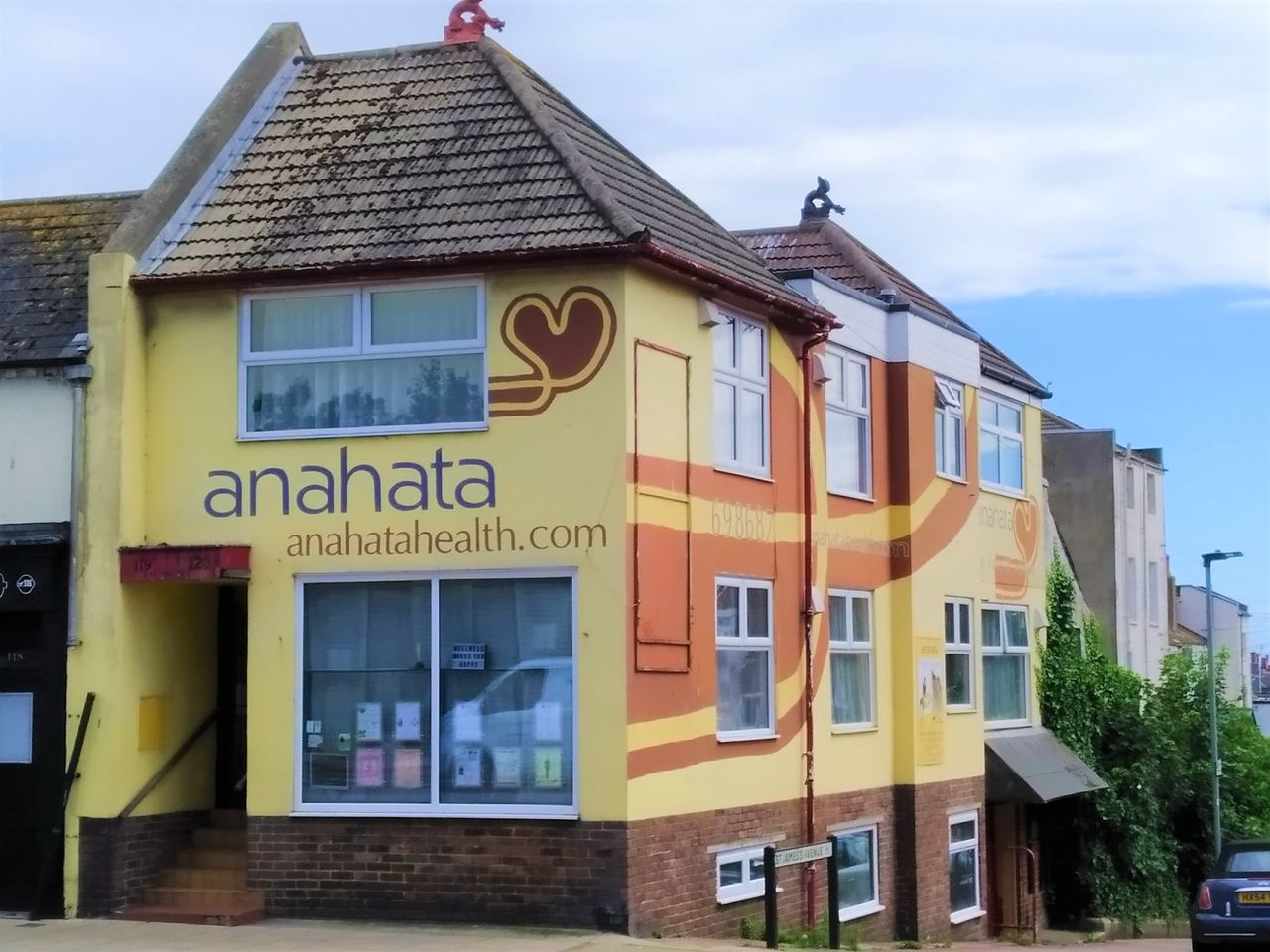
Photo Credit
Image courtesy of © Anahata Health ClinicEveryone else here practises without statutory regulation: as the NHS puts it, other therapists and herbalists do not need to be registered by law. Many join a voluntary register run by a professional body, which sets training standards, requires insurance and hears complaints: among them the British Acupuncture Council (BAcC), the Complementary and Natural Healthcare Council (CNHC) and the National Institute of Medical Herbalists (NIMH).
Brighton is, in a sense, the only city in England founded on a medical prescription.
Some voluntary registers are themselves checked. The Professional Standards Authority runs an Accredited Registers programme for practitioners who are not regulated by law; the British Acupuncture Council and the CNHC are both accredited. The PSA says accreditation shows a register is well run; it does not endorse any therapy. The Society of Homeopaths left the programme in 2021, and the ATCM is an applicant, not yet accredited.
Brighton & Hove adds a local layer. Under byelaws in force since 1 July 2005, made under the Local Government (Miscellaneous Provisions) Act 1982, anyone offering acupuncture in the city must register with the council, and so must their premises, the same rule that covers tattooing and piercing. Acupuncture by or under the supervision of a doctor or dentist is exempt.
Before you book
Check the register yourself, using the register’s own search rather than a logo on a website: the GOsC for osteopaths, the BAcC for acupuncturists, NIMH for medical herbalists, the CNHC for a range of therapies, and the PSA’s list for accredited registers. Ask what training the practitioner has, whether they are insured, and how to complain if something goes wrong.
Tell your GP. The NHS advises seeing a GP about symptoms that do not go away or keep coming back, telling any doctor treating you about the herbal remedies or therapies you use, and not stopping any prescribed medicine without first talking to your doctor. If you take other medicines, ask a pharmacist before taking a herbal remedy: the NHS lists statins, antidepressants, warfarin and the contraceptive pill among those that can be affected.
Read the label. Herbal medicines sold over the counter in the UK should carry a Traditional Herbal Registration (THR) number or a product licence number. The MHRA says a THR shows a product meets standards of quality and safety and has evidence of traditional use; it does not mean its effectiveness has been tested. Suspected side effects from any herbal product can be reported through the MHRA’s Yellow Card scheme.
Our advice: treat a first appointment like an interview, conducted in both directions. A good practitioner will ask about your GP and your medicines without being prompted, will be happy to give you a register number, and will tell you plainly what a session involves. Then, whatever you book, walk down to Pool Valley afterwards. Sake Dean Mahomed’s baths are long gone, but the sea that started all this still keeps no appointment book.
Questions and answers
Is acupuncture regulated in the UK?
Not by law. Acupuncturists can join voluntary registers such as the British Acupuncture Council, which is accredited by the Professional Standards Authority. In Brighton & Hove acupuncturists and their premises must also be registered with the city council.
Which complementary therapies are regulated by law?
Osteopathy (General Osteopathic Council) and chiropractic (General Chiropractic Council). Both titles are protected by law.
How do I check a practitioner?
Search the register on the register’s own website (GOsC, BAcC, NIMH, CNHC and others), and check whether that register is accredited on the Professional Standards Authority’s website.
Should I tell my GP?
Yes. The NHS advises telling any doctor treating you about herbal remedies or therapies you use, and not stopping prescribed medicine without talking to your doctor first.
Why it's on our list
- A town built on a prescription
- The shampooing surgeon
- Why here?
- Needles and herb jars
- Tinctures, remedies and posture
- Hands-on and under one roof
- Registers: what they do and don’t tell you
- Before you book
Location
The map comes from Google Maps, which sets its own cookies once it loads.
More in depth
 The back storyRegency townhouses to Downland villages: buying in Brighton & HoveRegency townhouses, Victorian terraces and Downland villages: where people buy, and how.
 The back storyGetting ready to sell: staging your home, step by stepDeclutter, mend, light and tell the truth: preparing a home for sale, and what the law requires.