The back story
Brighton After Dark: Live Music, DJs and Club Heritage
From the Top Rank Suite and the Zap to Fatboy Slim on the beach: how Brighton learned to dance.
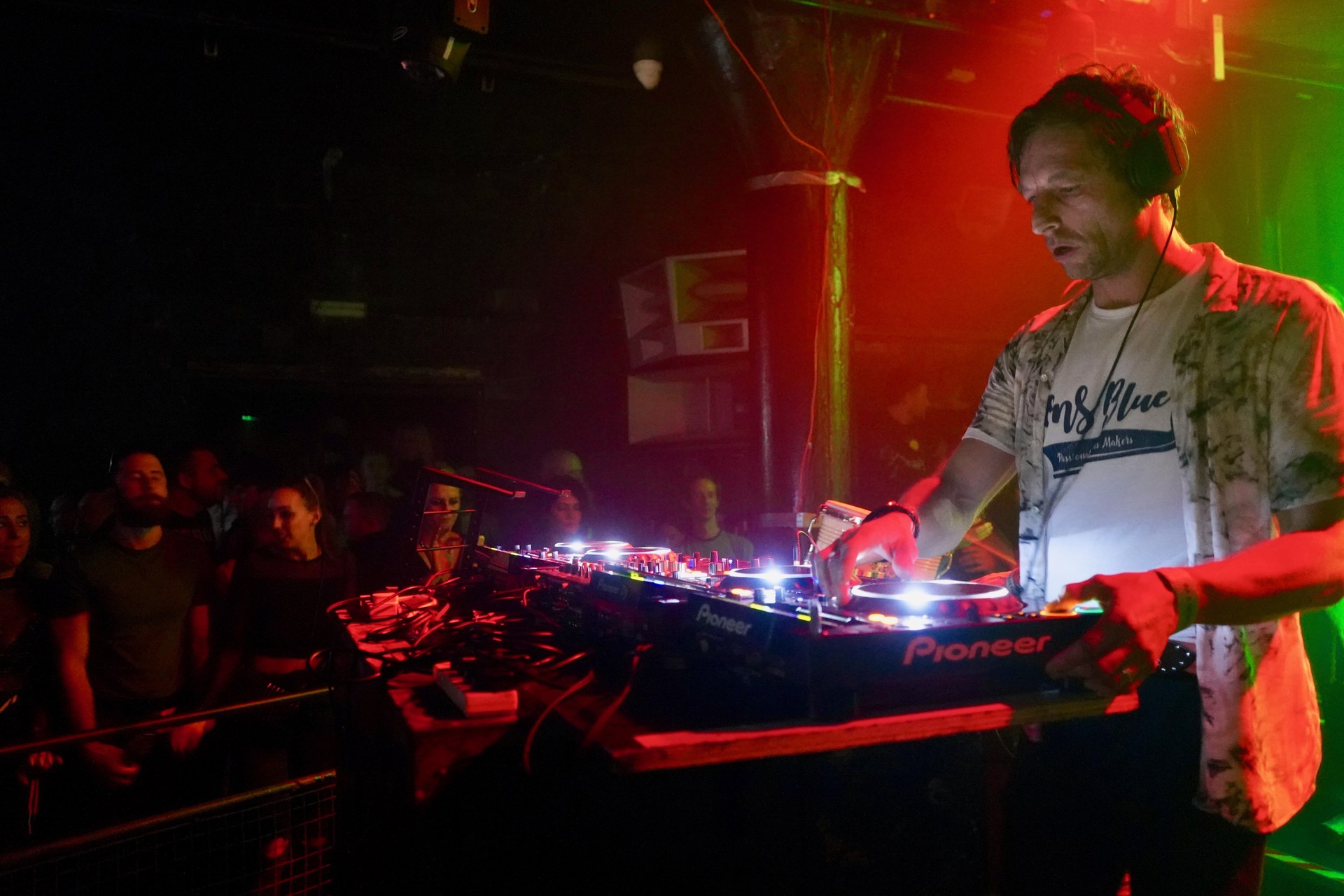
Photo Credit
Image courtesy of © ULTIMATE International MediaThe story of Brighton’s seafront nights, from the 1980s clubs of West Street and the Zap’s acid house years to the Honey Club, Revenge, the Big Beat Boutique and Fatboy Slim on the beach, with the venues where the city still dances today.
Brighton’s nights have always faced the sea. The great clubs of the city sat on the front or just up from it: under the arches of the King’s Road, along Marine Parade and at the foot of West Street. Dancing by the sea, then walking out onto the shingle at dawn, is a large part of why a generation of clubbers fell for Brighton, and why the scene still draws people from London and far beyond.
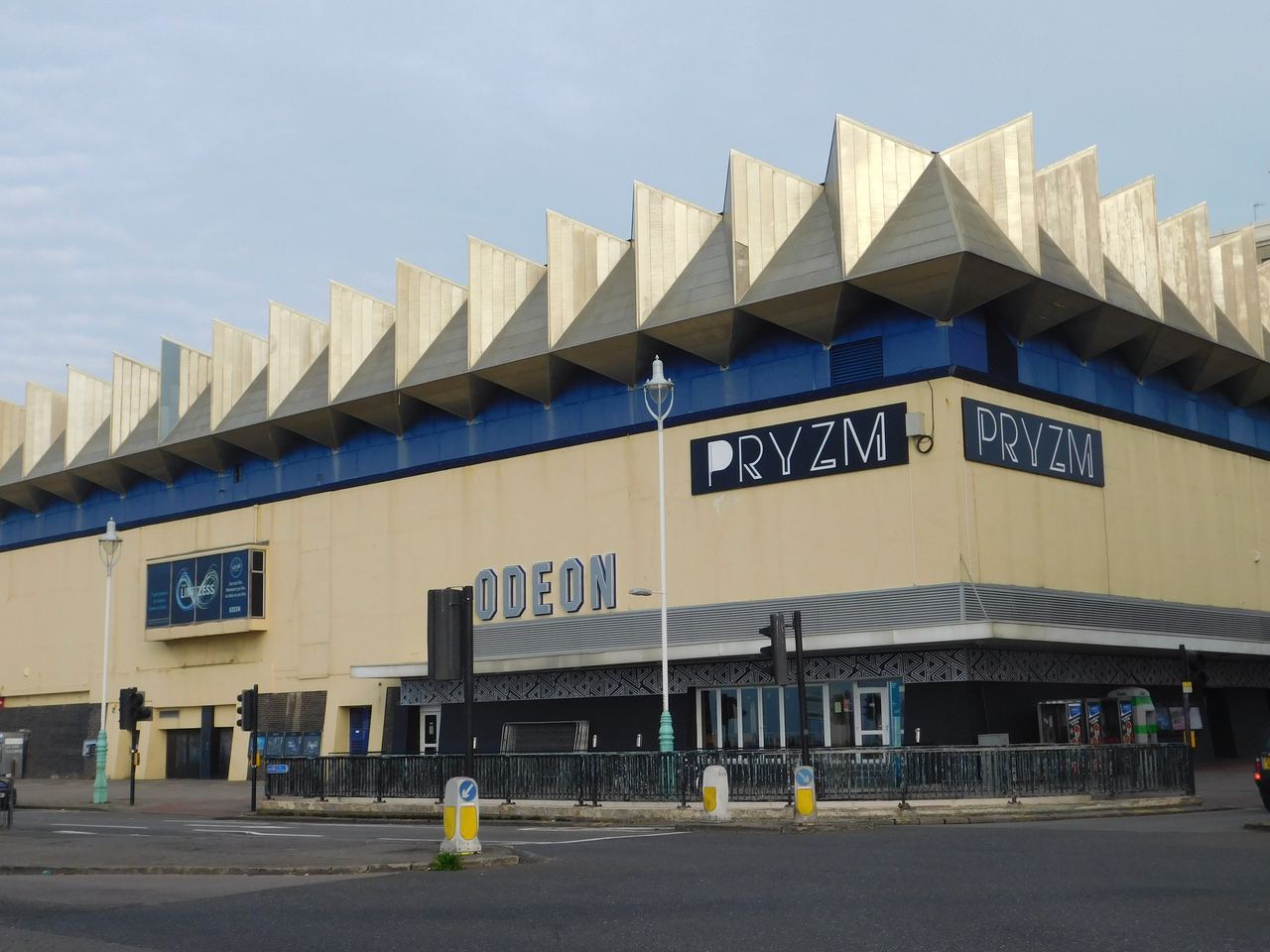
Photo Credit
Image courtesy of © Bryn Holmes · CC BY-SA 2.0 via Wikimedia CommonsBefore acid house: the 1980s
At the bottom of West Street stood the Kingswest, and in it the city’s biggest dance hall. The Top Rank Suite opened there in November 1965 and held some 2,000 people; it became The Event in 1990, then Oceana and, from 2011, Pryzm. Beneath the same building, from late 1981 to early 1986, Coasters was the fun bar every young Brightonian remembers. Divine and Bananarama both appeared there.
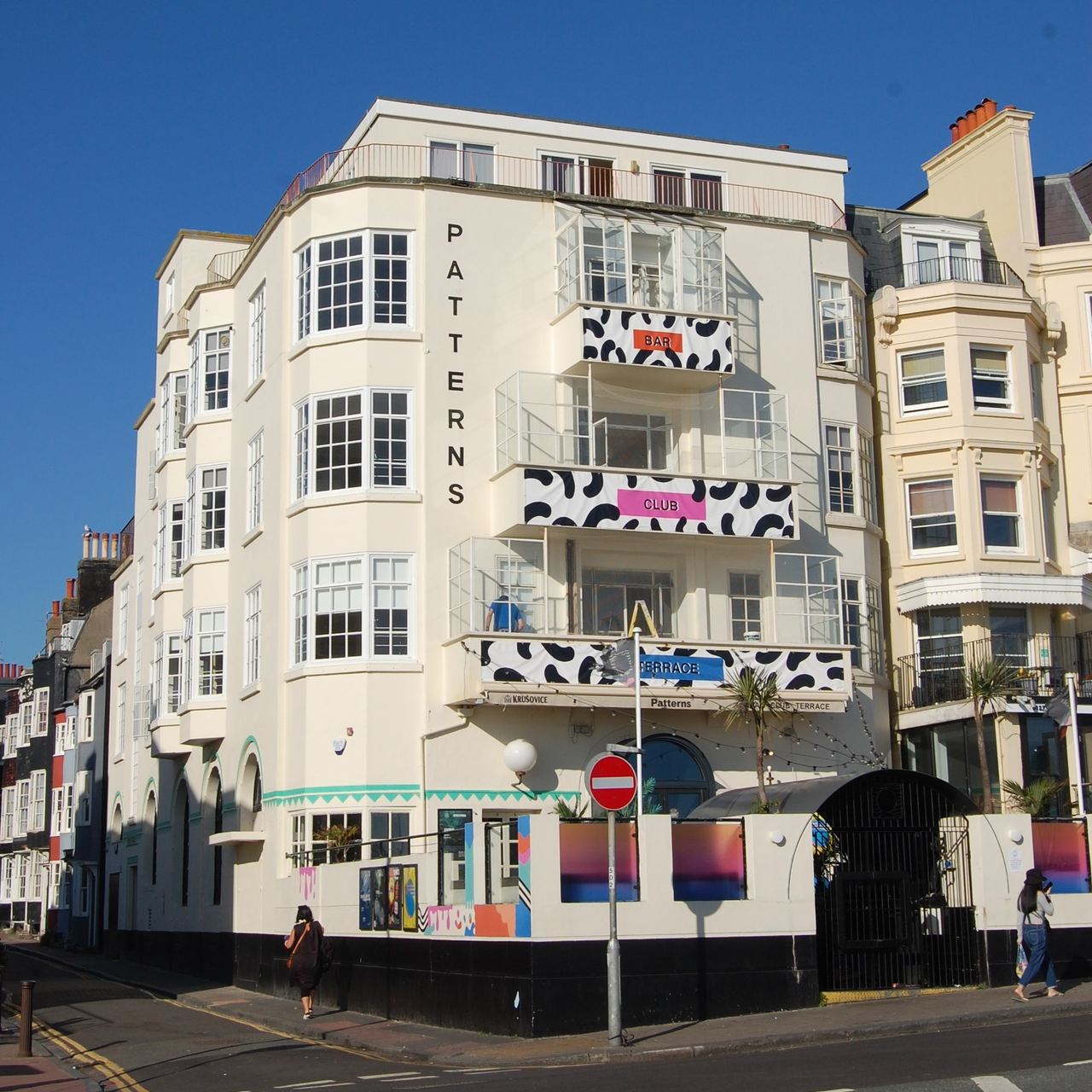
Photo Credit
Image courtesy of © Hassocks5489 · CC0 via Wikimedia CommonsCoasters belonged to its flamboyant resident DJ, Rory Steele: moustachioed, leather-trousered, and the man who made the club what it was. In the mid-1980s he was a familiar sight about town, out and about with his two pink poodles.
Photo Credit
Image courtesy of © ULTIMATE International MediaThe music moved with the times, from rock and mod through punk to the New Romantics, and on to the hi-energy sound. A mixed crowd of trendsetters came for the records and for what Simone Crossfield called Rory’s “outrageous personality”. Here Brighton’s young found room to be themselves, and that sense of individuality is still the town’s own.
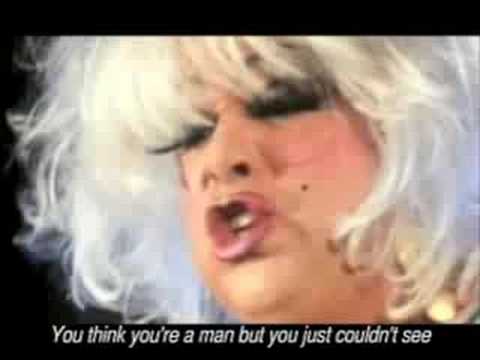
Rory’s was the voice that introduced Divine on the Coasters stage in late 1984, the year of the Hi-NRG hit You Think You’re a Man.
Video Credit
Video © Divine · plays from YouTube, which may set its own cookies once it startsAcross West Street, Sherry’s, a dance hall since 1919, became the Pink Coconut in 1983; Divine played there too, in 1984. On Marine Parade the Escape Club was a name to know from the 1980s, and further along the Hungry Years was the town’s rock club, a home for bikers, punks and goths until it closed in 2000.
The Zap and the acid house years
The Zap began in 1982 as a touring club, the idea of Neil Butler, putting on nights of alternative cabaret, music and dance around the town. In 1984 it found a home of its own in the arches beneath the King’s Road, converted by the architect Anthony Browne, and it grew arch by arch into the biggest club on the front.
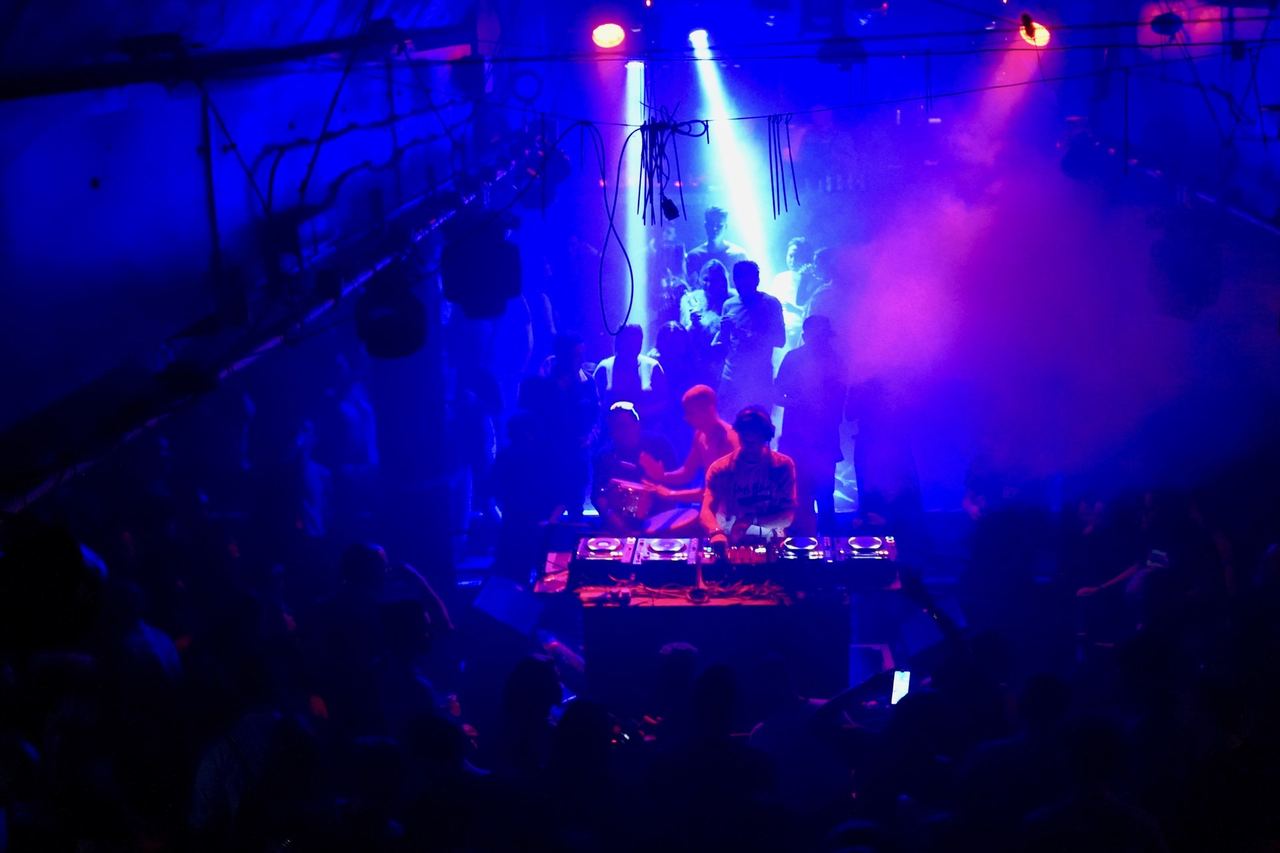
Photo Credit
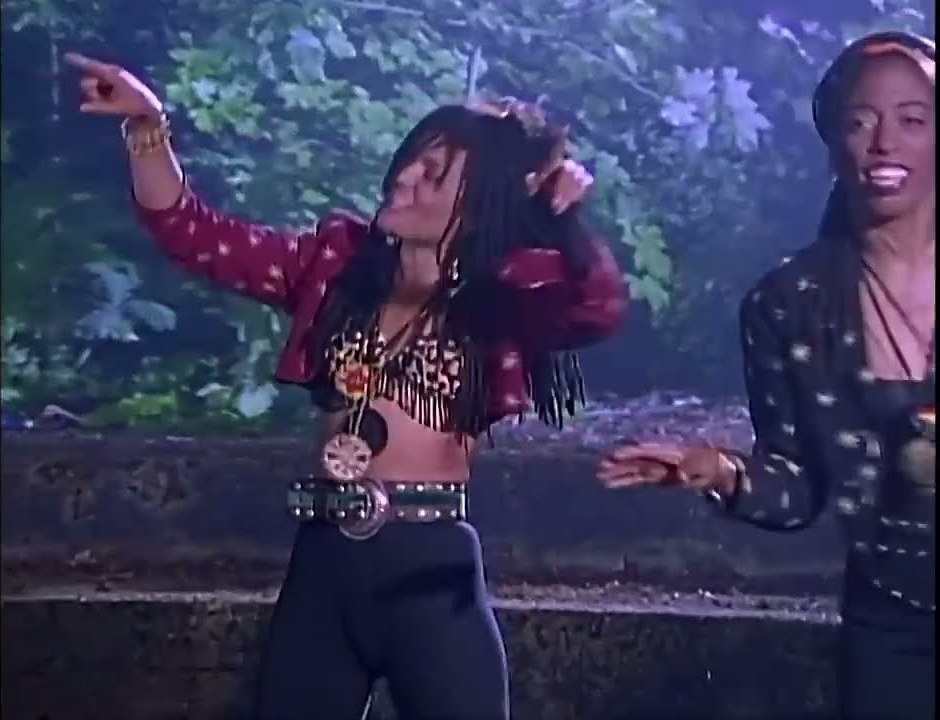
Image courtesy of © ULTIMATE International MediaAn evening at the Zap might open with cabaret or performance art and end with DJs; Marc Almond, Soul II Soul and Paul Oakenfold all played there. In the late 1980s and early 1990s, the ecstasy-fuelled rave years, the Zap became known above all for its acid house nights.
Video Credit
Video © Soul II Soul · plays from YouTube, which may set its own cookies once it startsThe arches have changed names since, as The Union, Digital and The Arch, and the club nights have never really stopped: today the same space is Quarters.
The 1990s: house, trance and big beat
Through the 1990s house and trance filled the seafront clubs. The Honey Club held the arches at 214 King’s Road, The Beach was under the arches too, and the Escape packed Marine Parade. On West Street the Pink Coconut became Paradox, which ran until January 2002.
And Brighton gave the world a sound of its own. Norman Cook had studied at Brighton Polytechnic in the early 1980s, played bass in the Housemartins and come back to the city in 1988; with Beats International he took “Dub Be Good to Me” to number one in 1990. In the mid-1990s, as Fatboy Slim, he co-founded the Big Beat Boutique at the Concorde, opposite the Palace Pier.
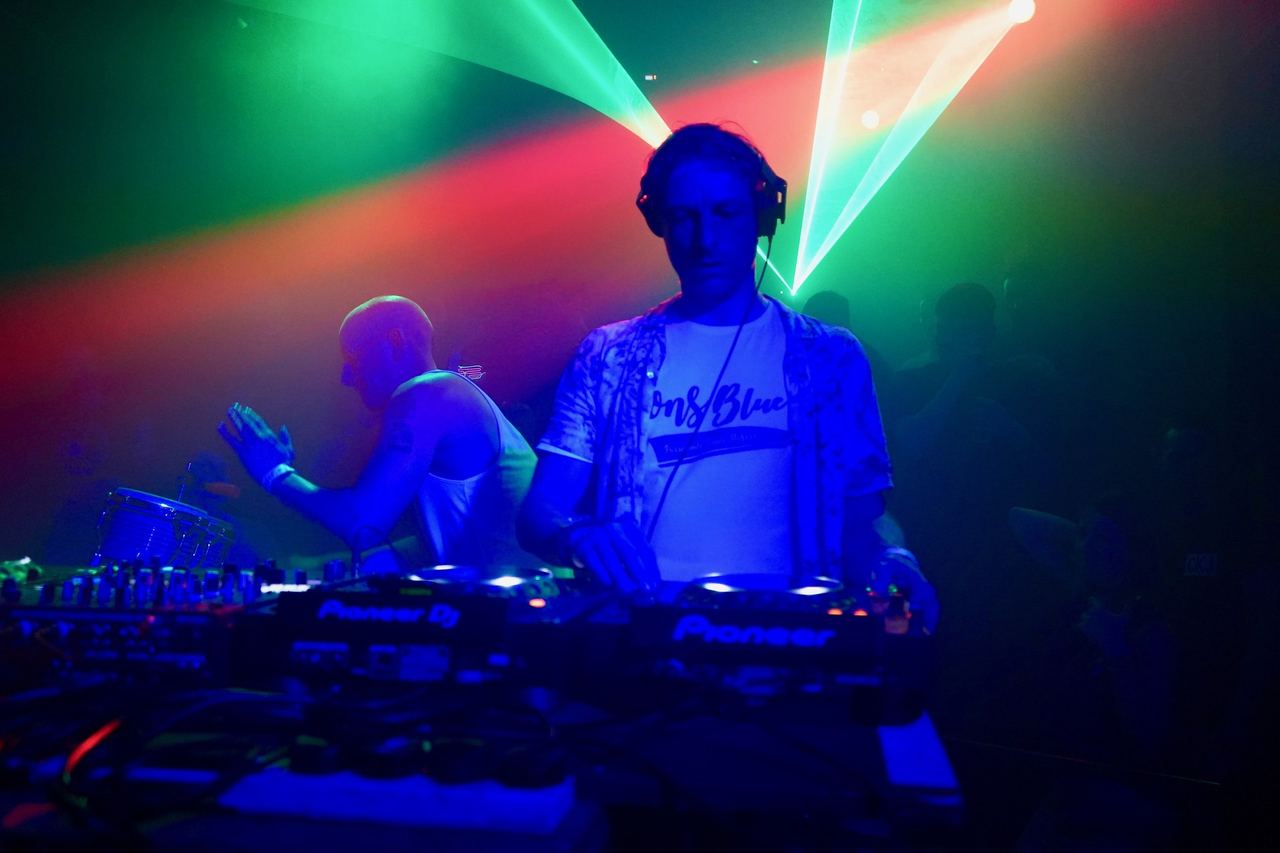
Photo Credit
Image courtesy of © ULTIMATE International Media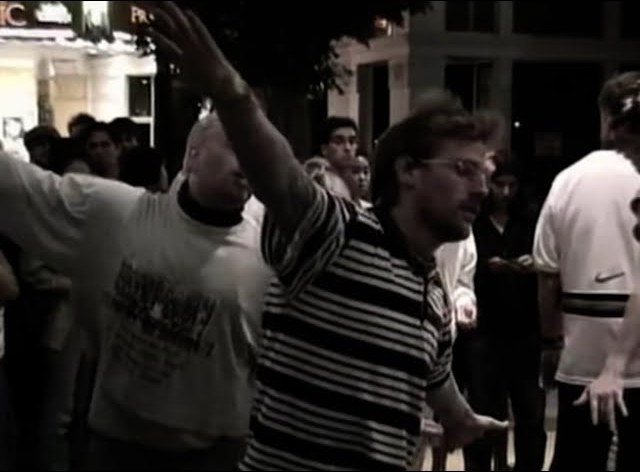
Video Credit
Video © Fatboy Slim · plays from YouTube, which may set its own cookies once it startsIts breakbeats, rock guitars and old soul samples gave a genre its name, big beat, and the Brighton label Skint took Fatboy Slim’s You’ve Come a Long Way, Baby to number one in 1998. In 1999 Phats & Small, formed in Brighton the year before by Jason “Phats” Hayward and Russell Small, reached number two with “Turn Around”; Small went on to form Freemasons with James Wiltshire, whose “Uninvited” made the top ten in 2007.
Video Credit
Video © Kontor Records · plays from YouTube, which may set its own cookies once it starts
Video Credit
Video © Loaded Records · plays from YouTube, which may set its own cookies once it startsIn July 2002 a free beach party drew around 250,000 people, four times the crowd expected.
Fatboy Slim on the beach
Then the party moved onto the shingle. On 7 July 2001 Cook played a free set on the beach after a cricket screening organised by Channel 4. A year later came Big Beach Boutique II: on 13 July 2002 around 60,000 people were expected, and around 250,000 came, roughly double the city’s population.
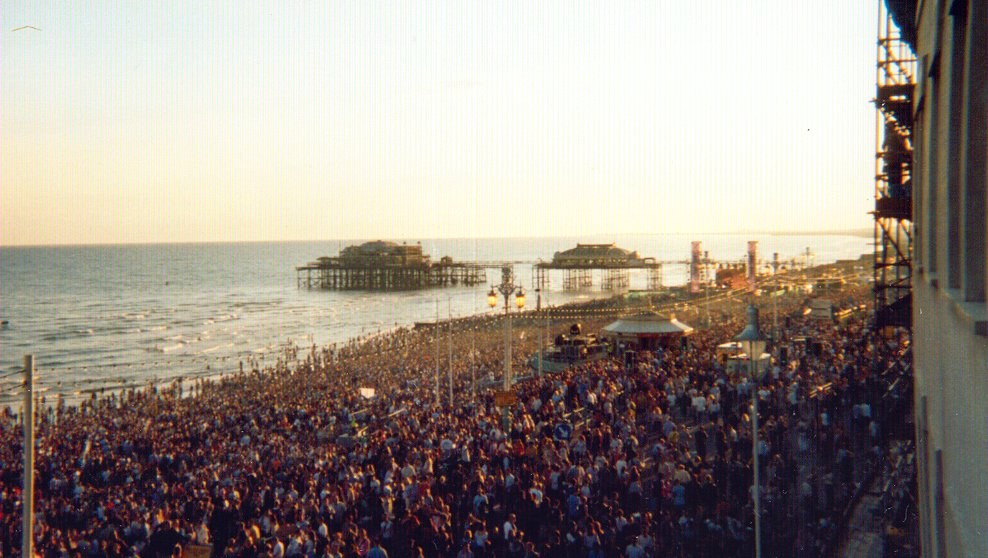
Photo Credit
Image courtesy of © AJB83 · Public domain via Wikimedia CommonsThe police asked Cook to finish early, and thousands were stranded when the last trains left. It is still remembered as one of the largest outdoor parties ever held in Britain, and it changed how big events on the beach are planned. Later Big Beach Boutiques were ticketed, on New Year’s Day 2007 and in September 2008; Cook headlined the On the Beach festival in 2022, and in July 2026 came back to the beach for three shows.
Out on the town: the LGBTQ+ scene
Brighton’s gay scene grew up inside its clubs. In the 1980s Divine played both Coasters and the Pink Coconut, which ran a gay night of its own, Bolts, and at the Zap Club Shame filled the arches on Wednesdays from 1989 to 1996.
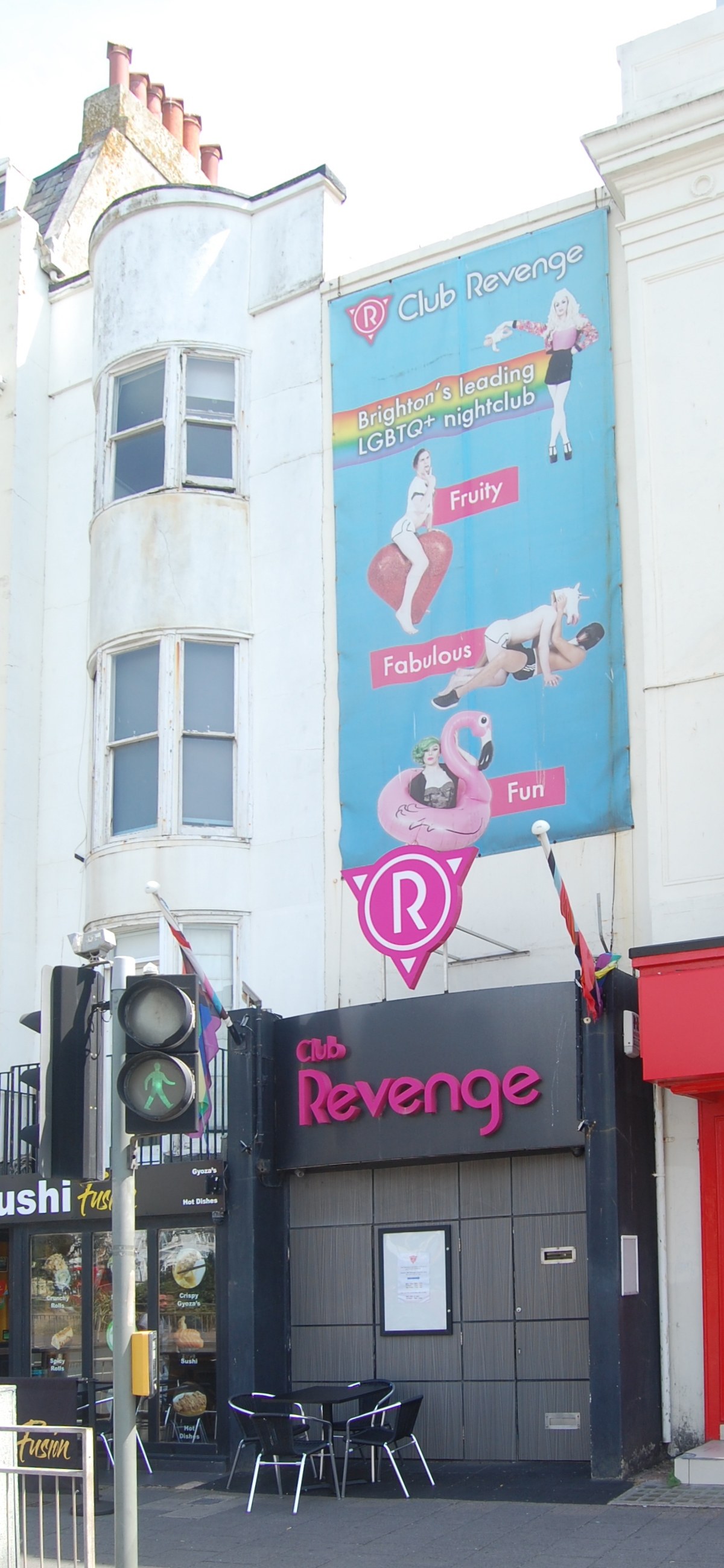
Photo Credit
Image courtesy of © Hassocks5489 · CC0 via Wikimedia CommonsIn 1991 Tony Chapman spent £300,000 turning a former club, Savannah, on the Old Steine into Revenge, the city’s first sizable dedicated gay club, a short walk from the Escape. It has been at the heart of the scene ever since, has welcomed stars of RuPaul’s Drag Race, and is still open today.
Wild Fruit, born of Club Shame, held its first parties at Paradox and became one of the best-known club nights in the country, marking its 25th anniversary with a last Pride dance tent in 2017. Each summer Brighton & Hove Pride fills the city, and Kemptown’s bars and clubs carry the scene the rest of the year.
Out tonight, the week has a rhythm. Revenge opens on Mondays for ROAR, its queer alternative night of emo, pop-punk and metal, and on Thursdays for Fruity, all Y2K, R&B and queer pop. Round the corner, the Marine Tavern on Broad Street has drag queens on most nights of the week, and at the Actors on Prince’s Street the Scoops improvisers take the stage on the first Tuesday of each month.
Live music: from the Dome to the arches
Brighton’s music history is older than its clubs. On 6 April 1974 ABBA sang “Waterloo” at the Brighton Dome and won the Eurovision Song Contest there. The original Concorde, opposite the Palace Pier, was cleared in 1998, and on New Year’s Eve 1999 Concorde 2 opened in a Grade II listed Victorian seafront shelter on Madeira Drive. Every May since 2006 The Great Escape festival has filled venues across the city with new bands.
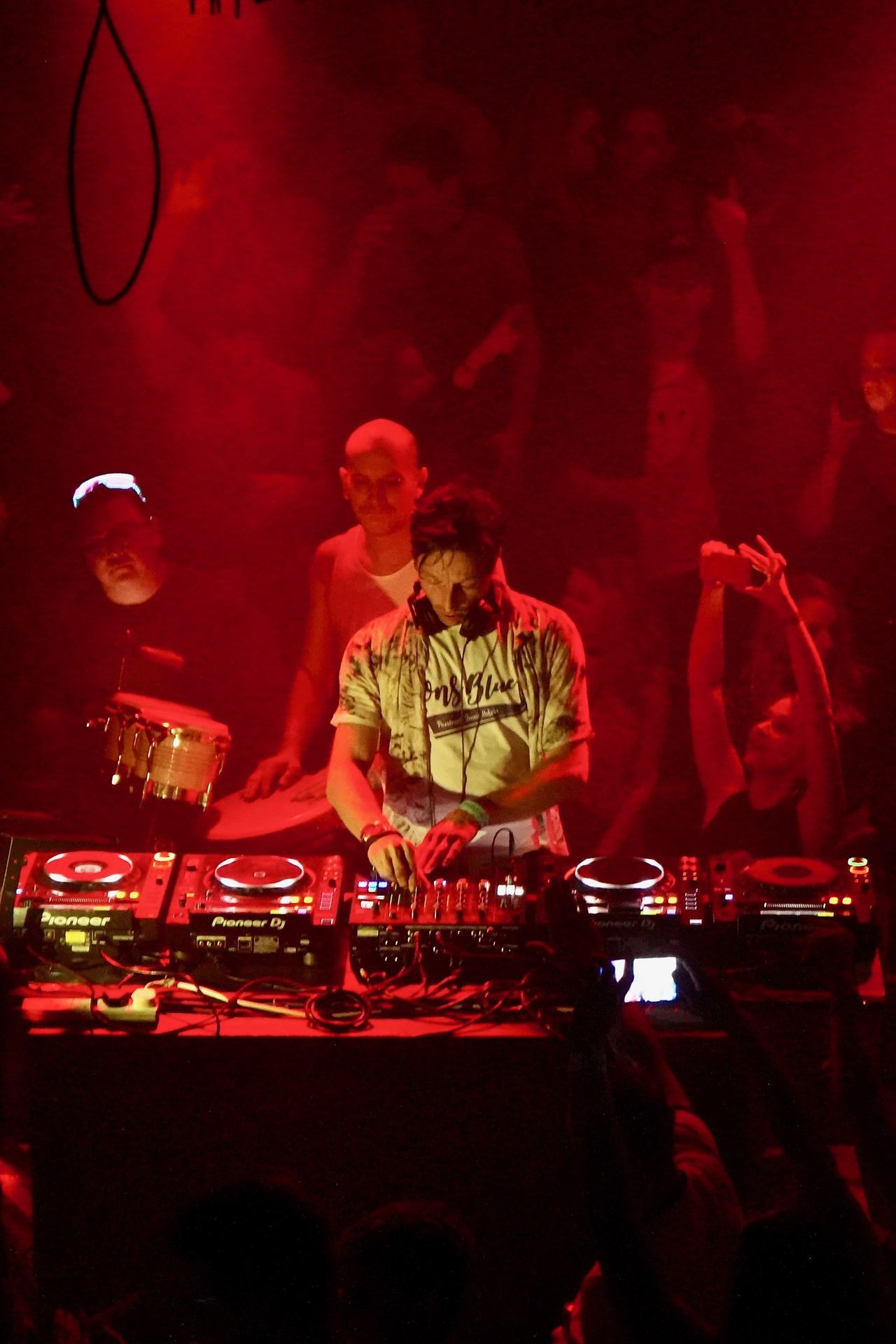
Photo Credit
Image courtesy of © ULTIMATE International Media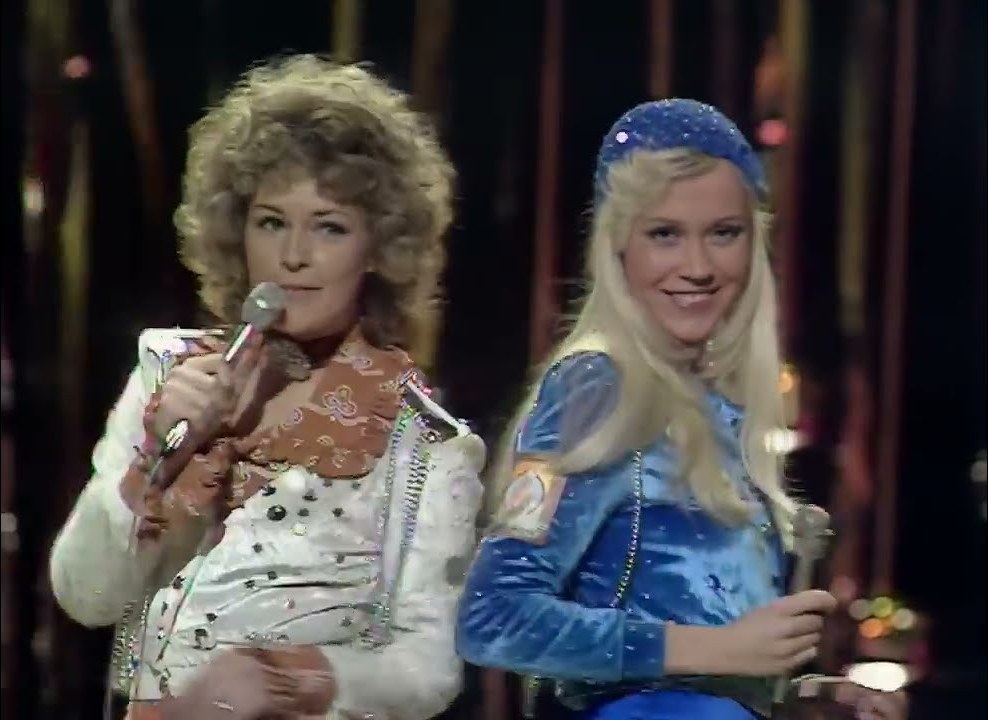
Video Credit
Video © ABBA · plays from YouTube, which may set its own cookies once it startsMost nights the music is closer to the ground: the Green Door Store in the railway arches below the station, the upstairs room at The Hope & Ruin on Queens Road, Komedia in the North Laine, Chalk in Pool Valley and Alphabet on Dyke Road.
Brighton after dark today
The seafront still leads. The Escape’s old home on Marine Parade became Audio in 2004 and Patterns in 2015; Volks has run underground nights on Madeira Drive for over 25 years; the King’s Road Arches are a club again as Quarters; and Concorde 2 still books bands and DJs under its iron canopy on Madeira Drive.
Our advice
Our advice: check each venue’s own listings a week or two ahead, since the best club nights and small gigs sell out, and buy tickets only from the venue or its official ticket partner. Most clubs are over-18s with ID. The seafront clubs sit close together between the piers, so you can start with a gig at Concorde 2 and walk west along the front.
Why it's on our list
- The 1980s clubs
- The Zap and acid house
- The 1990s on the seafront
- Fatboy Slim on the beach
- Where to go now
Location
The map comes from Google Maps, which sets its own cookies once it loads.
More in depth
 The back storyGrand hotels and Regency townhouses: where to stay in BrightonGrand Victorian hotels, Regency townhouses and art-filled small hotels: where to stay, and why.
 The back storyFrom Brighthelmstone to Brighton: a fishing town turned fashionable resortA fishing town turned England’s most fashionable resort: sea-bathing, a prince’s palace, the piers.
 The back storyThe lost Lower Town of Brighthelmstone: the back storyThe fishermen’s town on the beach below the cliff, lost to the storms of 1703 and 1705.