Tara’s notebook
Floors: carpets, rugs and wood
Choosing the floor that sets the tone for a room, and the English carpet story behind it.
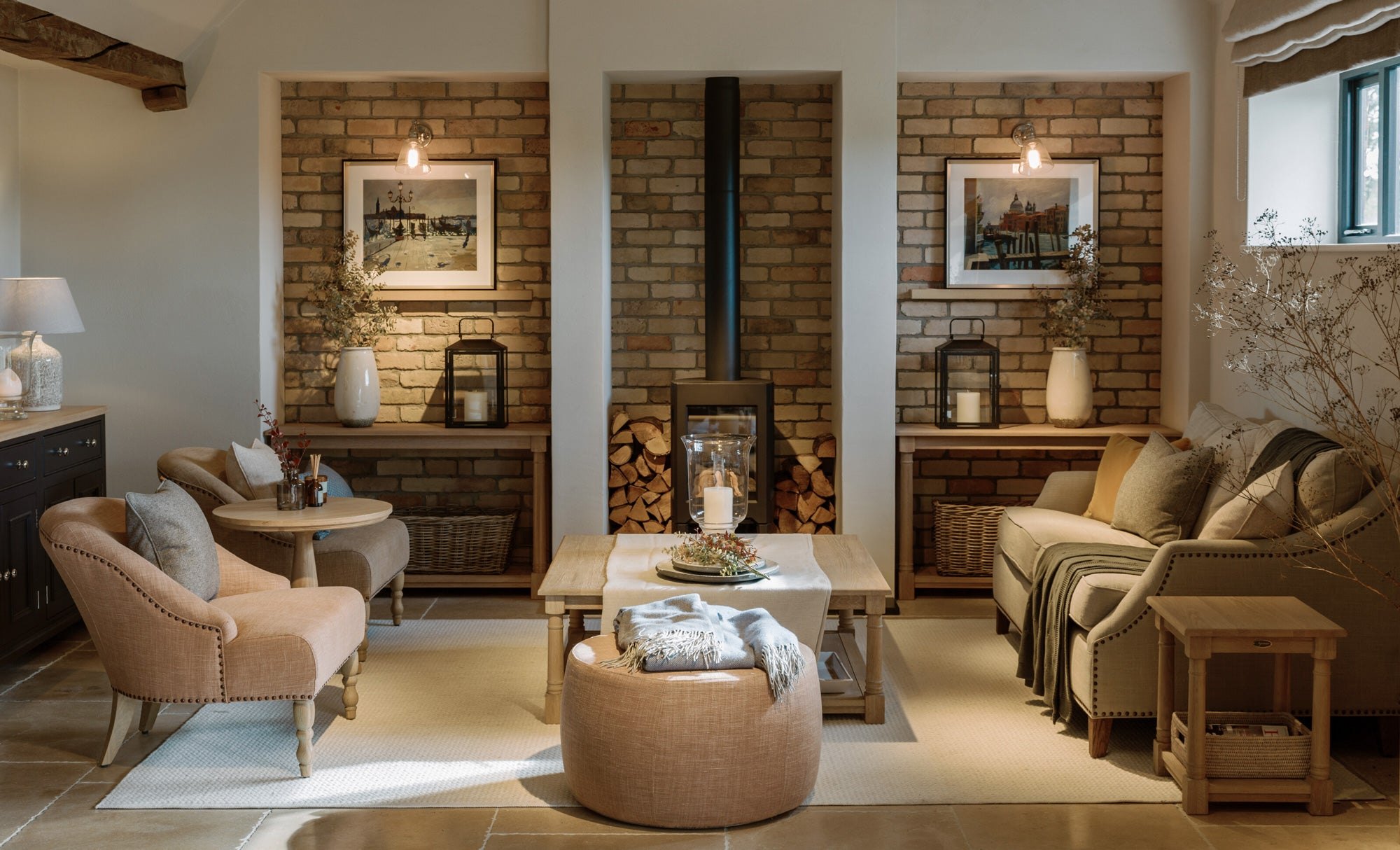
Photo Credit
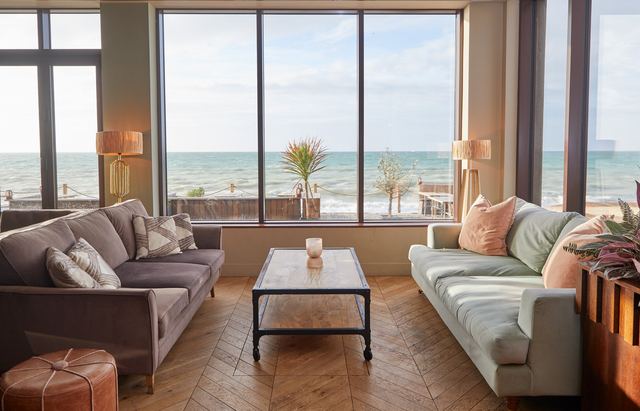
Image courtesy of © NeptuneThe floor is the hardest-working surface in any home and the one that sets the tone for everything above it. Tara de la Motte on carpets, rugs and wood, and on the Devon weaver whose name is still on our floors.
We walk on it, spill on it and drop toys on it, so the floor has to be practical. But it is also the largest single surface in most rooms, and the one that sets the mood for everything above it. Choose well and the rest of the room falls into place.
The hardest-working surface
Start with how the room is used. Carpet is warm and soft underfoot, perfect in a bedroom and less so in a bathroom or a kitchen. Homes with dogs, children or sandy beach feet often find wood, stone or tiles far easier to live with, softened by rugs where people sit.
An English story
England has been weaving carpets for centuries, and two of the best-known names come from West Country towns. In 1755 Thomas Whitty made his first hand-knotted carpet in Axminster in Devon; his factory became so celebrated that King George III and Queen Charlotte came to see it in 1789. It closed in 1835, as machine-made carpet took over, but the name lives on as a type of woven carpet, as does Wilton, named after the Wiltshire town.
Carpets
Wool and wool-rich carpets wear well, resist crushing and feel good underfoot; synthetics are cheaper and easier to clean. A striped stair runner held with brass rods instantly smartens a hall and staircase, and is kinder on the ears than bare treads.
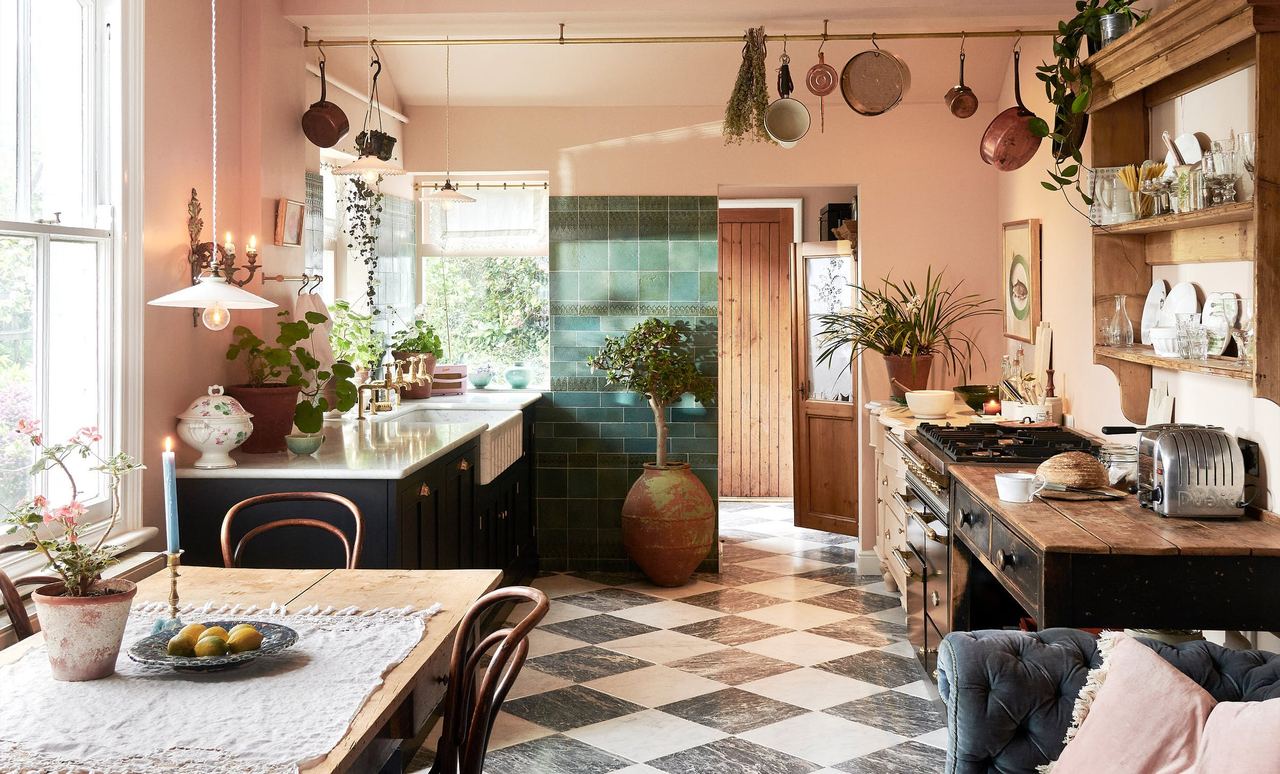
Photo Credit
Image courtesy of © deVOLRugs and runners
Rugs are the most flexible part of any floor. They add colour, pattern and softness, define a seating area in an open-plan room, and protect carpet in the places that take the most traffic. A rug can rescue a dull room the way a good tie rescues a dull suit. Make it big enough for at least the front legs of the furniture to sit on it.
A rug can rescue a room the way a good tie rescues a dull suit.
Wood, stone and tile
Solid and engineered wood floors bring warmth and age beautifully; engineered boards cope better with underfloor heating. Stone and porcelain are cool, tough and right at home in kitchens, bathrooms and garden rooms. Checkerboard tiles, black and white or in softer colours, are a classic for halls and kitchens that never seems to date.
Get it fitted properly
Whatever you choose, visit a local showroom, have the rooms measured professionally and let an expert fit it. A good floor badly laid will never look right, and a modest one laid well can look wonderful.
Questions and answers
What is an Axminster carpet?
A type of woven carpet named after Axminster in Devon, where Thomas Whitty began making carpets in 1755.
What size should a rug be?
Large enough for at least the front legs of the sofa and chairs to sit on it.
Why it's on our list
- The hardest-working surface
- An English story
- Carpets
- Rugs and runners
- Wood, stone and tile
- Get it fitted properly
Location
The map comes from Google Maps, which sets its own cookies once it loads.
More in depth
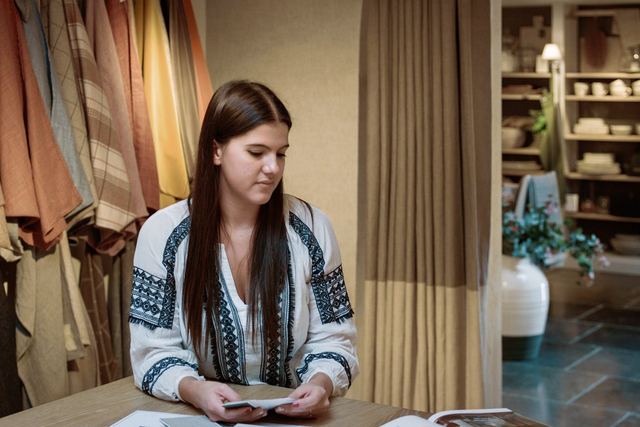 Tara’s notebookDressing windows: curtains, blinds and shuttersCurtains, blinds and shutters: how to dress a window for warmth, privacy and good looks.
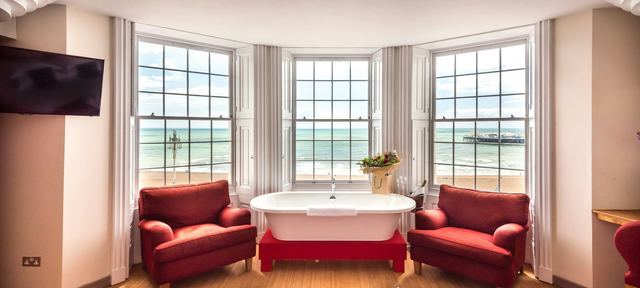 Tara’s notebookThe bathroom: a private retreatPlanning a bathroom that works like a spa, with ideas borrowed from Brighton’s best hotel rooms.
 Tara’s notebookThe best seats in the house: sofas, chairs and dining tablesChoosing sofas, armchairs and dining tables that are comfortable, practical and good-looking.