The long read
Horseball: the game where dropping the ball is the best part
Rugby, basketball and riding in one arena: how horseball works, and where to watch or try it.
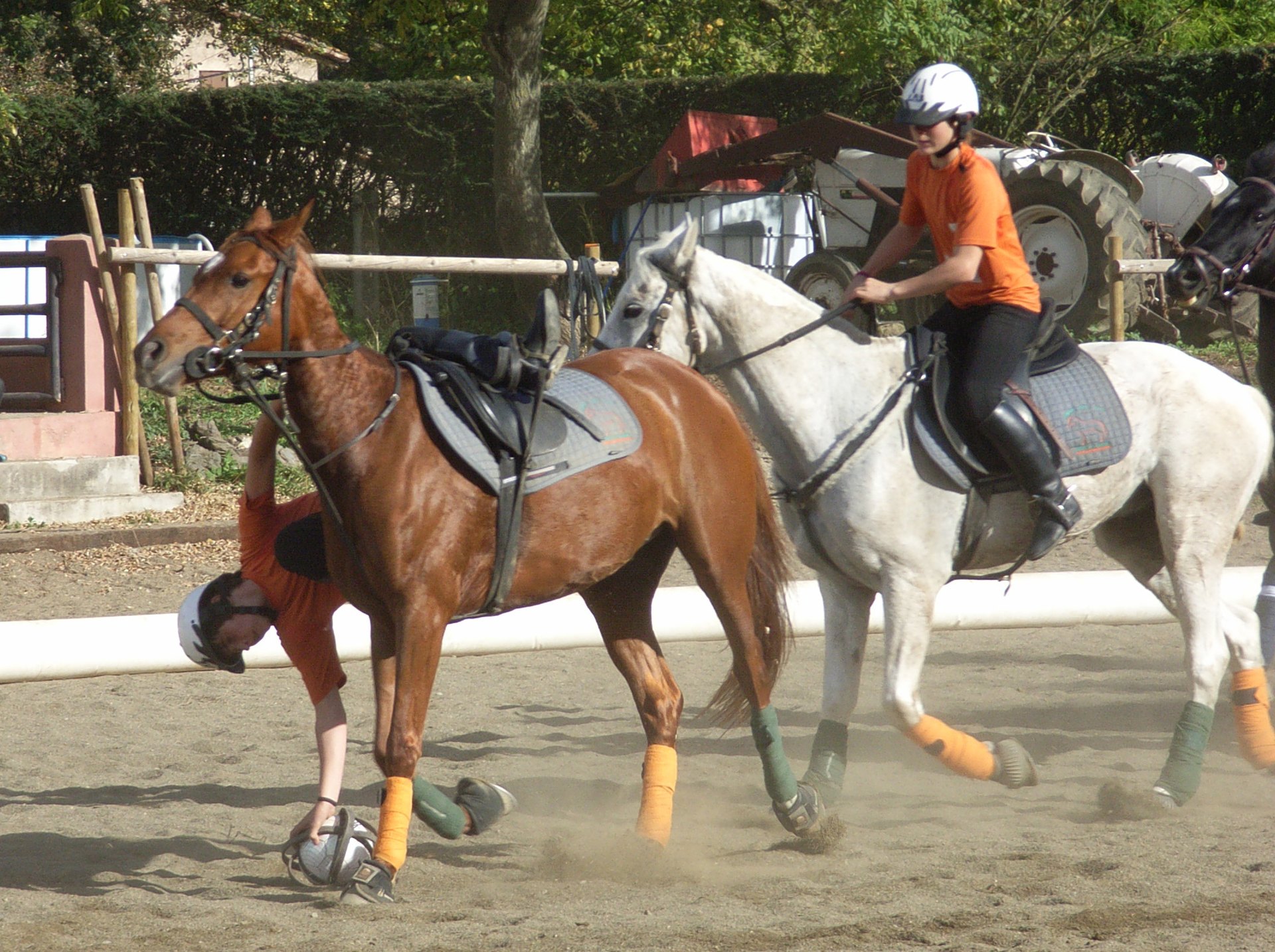
Photo Credit
Image courtesy of © Salvador Clavell, public domain, via Wikimedia CommonsThere is a sound at every horseball match that you will not hear anywhere else in sport: a whole grandstand drawing breath as a rider leans out of the saddle, almost to the sand, to scoop a fallen ball from beneath a moving horse. Here is how the game works, the horses that make it possible, and where in Britain to see it, or to have a go.
Count the passes
Sit down at your first match and count. A rider catches the ball by one of its leather handles and sends it across the arena; a second rider is already moving into space; a third joins the attack, and suddenly there is room for a shot at a hoop a metre across, its lower edge 3.5 metres above the ground. It looks like rugby on horseback with a basketball net at each end, and that is not far wrong.
Each side fields four riders, with two substitutes, and a match is two ten-minute halves with a three-minute interval. The ball is a football fitted into a harness of six leather handles.
The rules that make it flow
The cleverest rule is the simplest. Before a goal can count, three different teammates must have made at least three passes, and a rider has ten seconds to move the ball on. Drop it, or let an opponent intercept, and the count goes back to zero. That is why the best players are often the ones without the ball: watch the rider swinging wide to open the next passing lane, or the defender riding early to close it.
The moment everybody leans forward
The French call the pickup the ramassage, and it is the moment the whole crowd leans forward with the rider. A pick-up strap joins the stirrups beneath the horse's belly, so the rider can drop low to one side, take a handle and come back up with the ball. The opening pickup is made at a canter; in play it can be made at any pace, as long as the horse is moving, and no opponent may interfere until the rider is back in a normal riding position.
Valley Farm in Suffolk, where many British riders first learned the game, has a wonderfully practical answer to all this daring: its pupils practise on static metal horses first, so the real ones are spared the repeated attempts.
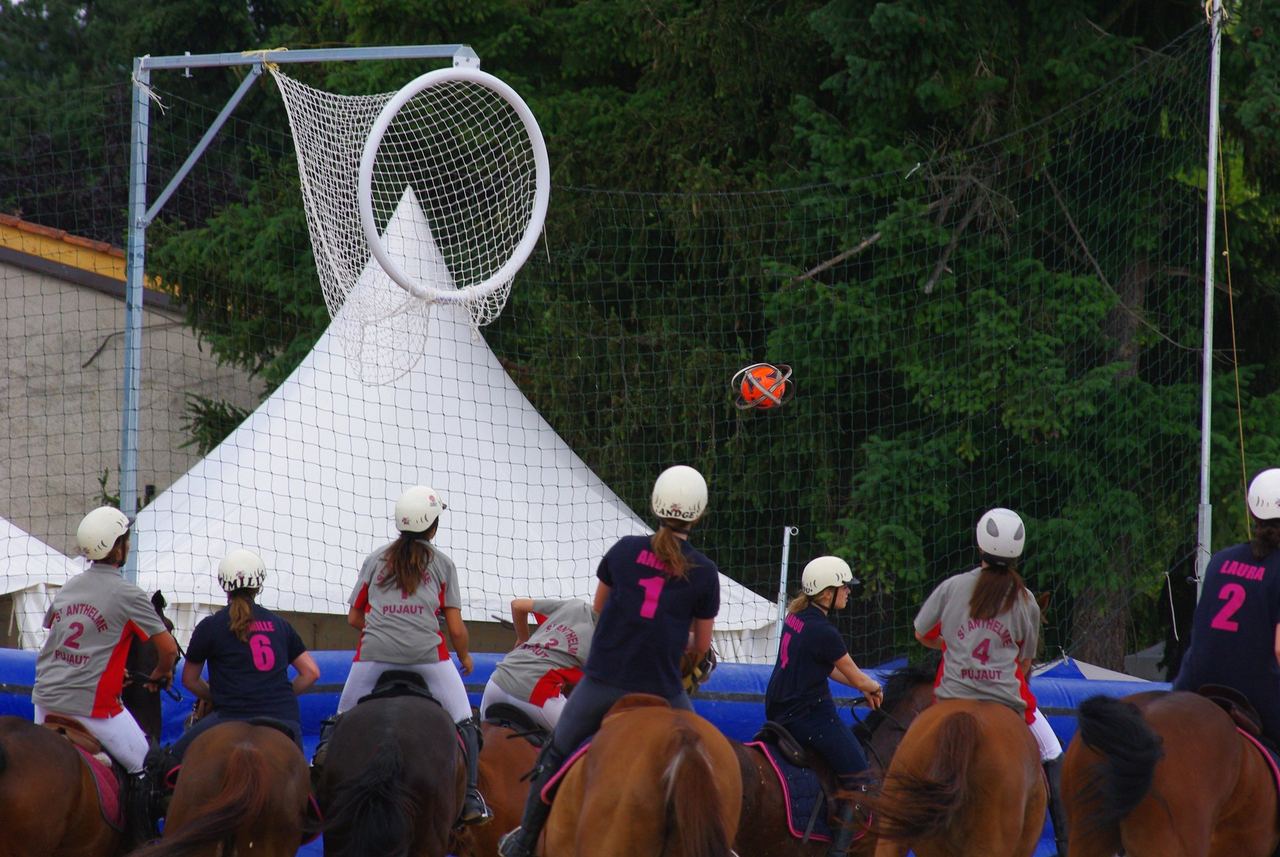
Photo Credit
Image courtesy of © Clément Bucco-Lechat · CC BY-SA 3.0 via Wikimedia CommonsThe horse has a job of its own
Follow one horse through a single attack and you will see how much it is asked to do: shorten its stride among the others, turn into space, lengthen again, all while its rider is looking somewhere else entirely. Speed matters, but temperament matters more, and the rules look after the players with four legs. Every horse wears protection on all four legs, and at events run under the international rules every horse is inspected by a vet.
Some of Britain's best have come from another sporting life altogether. Restive, a thoroughbred who won seven of his 68 races and ran his last in February 2021, was named eighteen months later as the mount of Great Britain's Pro Elite captain, Ben Berry, at the 2022 Horseball World Cup in Saint-Lô, Normandy. From the racecourse to the arena: not many horses change careers so gracefully.
From a French riding school to a Suffolk arena
Modern horseball took shape in France in the late 1970s, its makers drawing on Argentina's pato, Afghanistan's buzkashi and the mounted games of France's Republican Guard in the 1930s, and the international federation says it was designed to fit an ordinary riding arena. It reached Britain by happy accident.
Valley Farm's riders discovered it on a trip to Paris for a vaulting competition in the 1980s, and in 1991 the farm hosted Britain's first national horseball competition, the same year the British Horseball Association was formed. In 1992 Great Britain was among the countries that set up the sport's international commission, and Paris held the first European Cup.
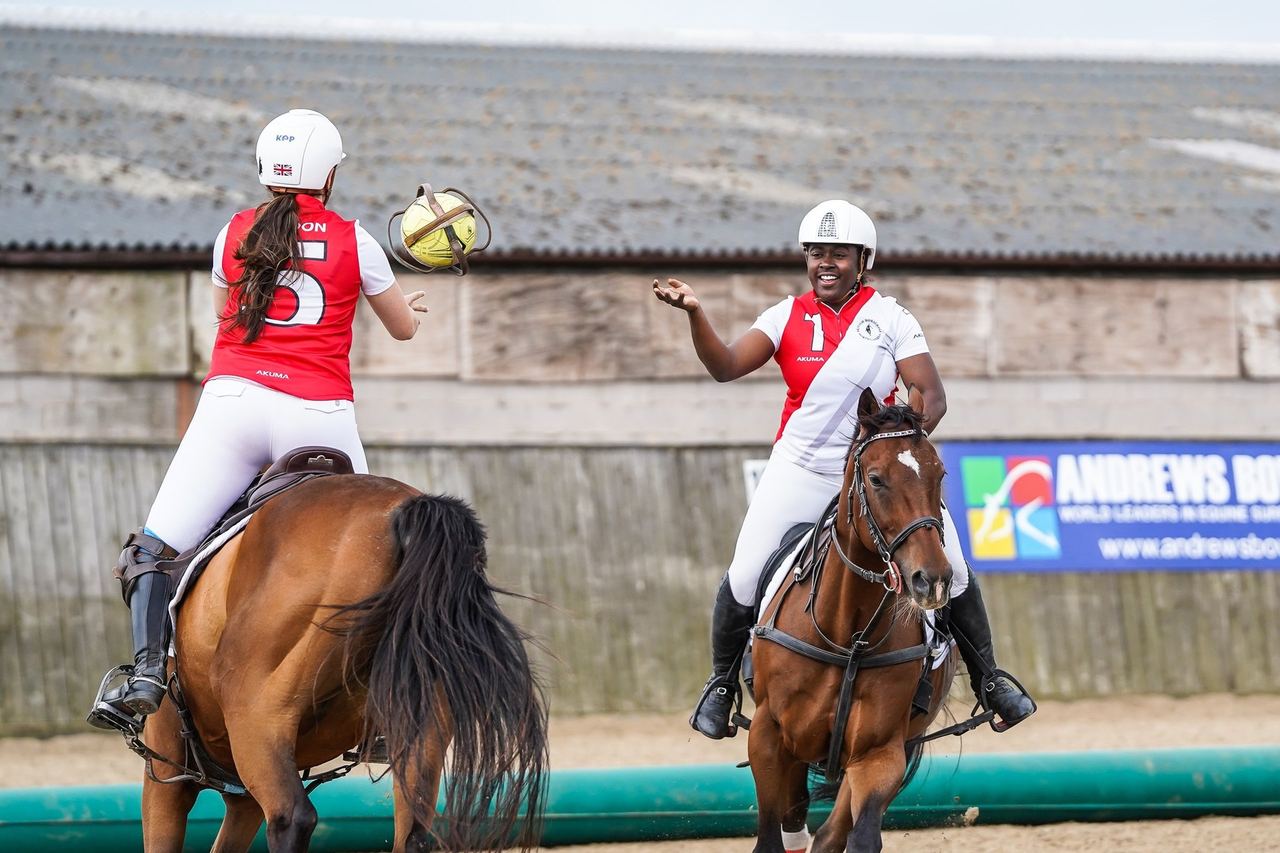
Photo Credit
Image courtesy of © the British Horseball AssociationWhere to watch or try horseball
Watch: the British Horseball Association publishes its fixtures, with updates on the Sportity app. In 2026 the Sussex Horseball Club's cup was held at Hickstead on 22–23 August and the British Open Championships at Onley Grounds in Warwickshire on 17–18 October; the 2027 dates are still to be announced.
Learn where it began: Valley Farm at Wickham Market, Suffolk, offers one-to-one lessons on its horses or your own, and occasional have-a-go days.
Try it near Brighton: Lancing Equestrian lists horseball among its lessons (new riders register and book a private assessment first), and the Sussex Horseball Club runs training, have-a-go days and demonstrations.
Try it near London: North London Horseball, in Barnet, is listed in the BHA's club directory; Hampshire Horseball plays at the Hampshire Polo School in Winchester.
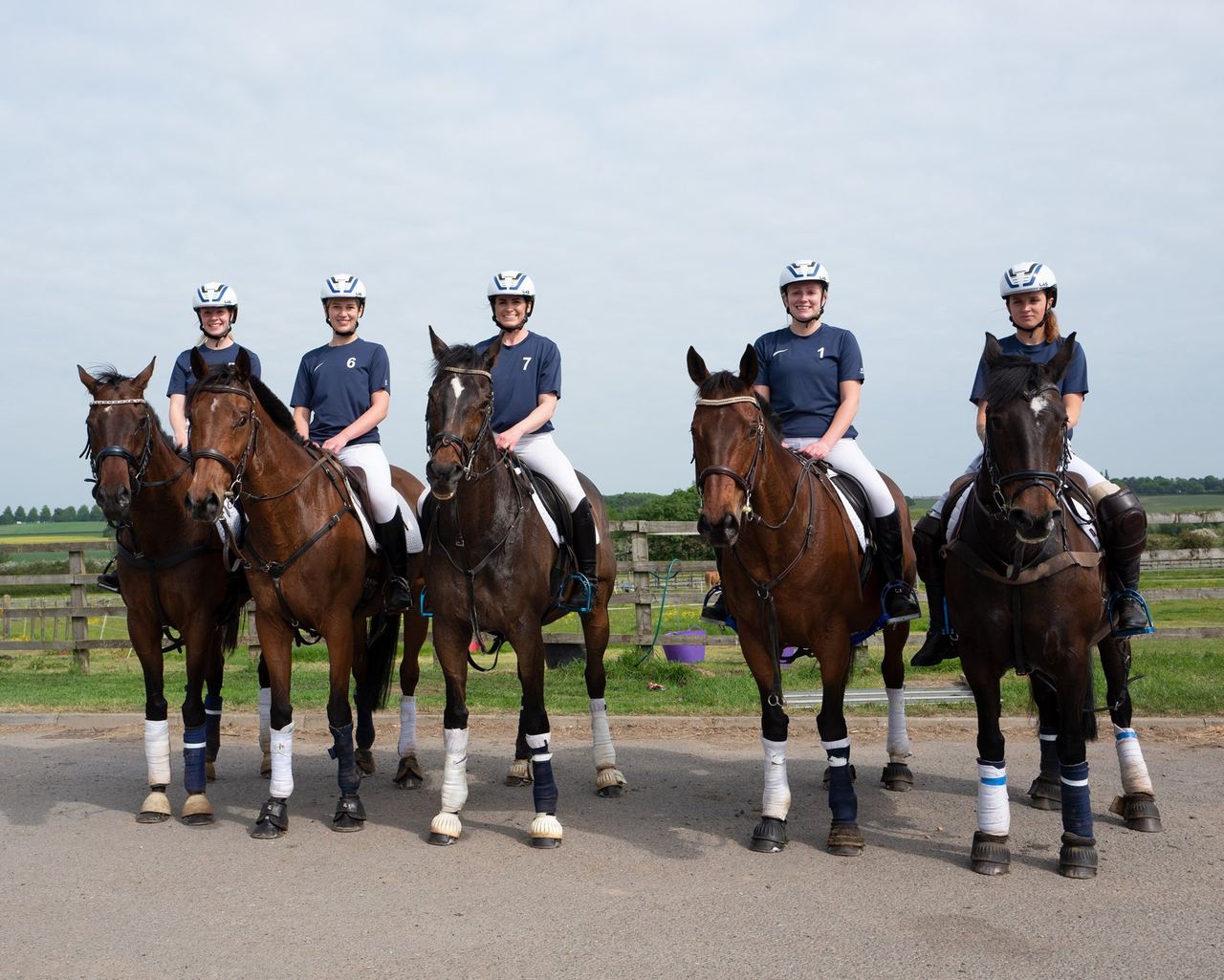
Photo Credit
Image courtesy of © the British Horseball AssociationLearn where it began: Valley Farm at Wickham Market, Suffolk, offers one-to-one lessons on its horses or your own, and occasional have-a-go days.
Our advice: watch the rider who leans down for the ball, then watch the teammate who saw it coming and was already riding into space. That is horseball in one moment.
Why it's on our list
- How horseball works, in a few minutes
- Where to watch: Hickstead and the British Open
- Where to try it: Lancing and the Sussex Horseball Club
Location
The map comes from Google Maps, which sets its own cookies once it loads.
More in depth
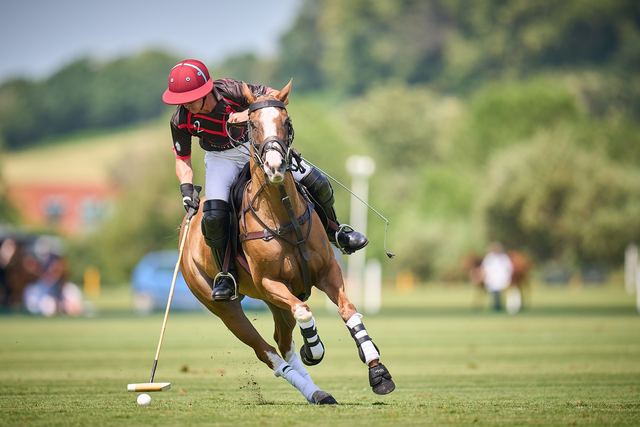 The long readFrom Smith’s Lawn to the Lawns: polo’s high-goal summerHow English polo’s summer moves from Windsor Great Park to Cowdray, and how to follow it.
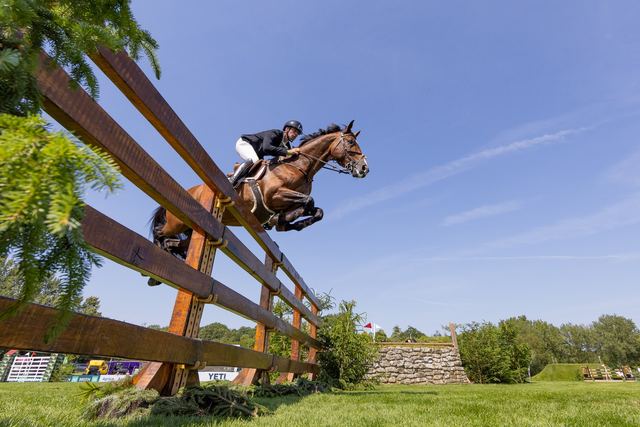 The seasonThe Sussex horse year, month by monthPlumpton in winter, Hickstead in June, Goodwood in July: the Sussex horse year, checked at source.
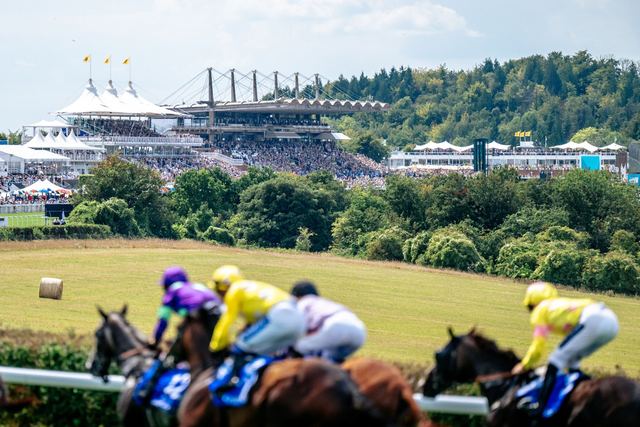 Dress codesWhat to wear: Goodwood, Cowdray and the Sussex coursesA tie in Goodwood’s Richmond Enclosure, linen at Cowdray: the Sussex dress codes, from the source.