The back story
Petworth Park in winter: deer, Turner and the Downs’ best cold-weather walks
Fallow deer, Turner’s view of the lake, ancient yews and starlings: the Sussex winter at its best.

When the trees are bare and the crowds have gone, Petworth Park comes into its own: some 700 fallow deer grazing a landscape laid out by Capability Brown, and indoors the very view of it that Turner painted. Add a walk among some of the oldest yews in Britain and an evening of starlings back in Brighton, and winter starts to look like the best season of the year.
Most people visit Sussex in summer. Winter is the locals’ secret: clear, cold days when the Downs are sharp against a pale sky, the paths are empty and the pubs have their fires lit. These are outings that suit the cold, and none of them repeats the classic Downs walks in our guide.
The deer park
Petworth Park, run by the National Trust, is a 700-acre deer park on the edge of the little town of Petworth, and it is open every day of the year. Capability Brown reshaped it in the 1750s and early 1760s, with sweeping grass, clumps of trees and a serpentine lake, and it is counted among his finest landscapes.

Its fallow deer, some 700 of them, have grazed here for centuries. In winter the bucks still carry their antlers, and the herd is easy to spot against the bare trees. Keep your distance and keep dogs under close control; the deer are wild animals, however used to visitors they seem.
Turner’s Petworth
The great painter J. M. W. Turner was a regular guest of the 3rd Earl of Egremont, and the earl commissioned four landscapes from him to hang in the house’s Carved Room. They are back in place today, among the limewood carvings by Grinling Gibbons that Horace Walpole called the finest monument of his skill. One shows the lake at sunset, with fighting bucks on its bank: walk out afterwards and you will find the view barely changed.

Winter at the house
A few rooms close in winter, but the house and its collection of paintings stay open, and from late November into early January Petworth puts on Christmas decorations and seasonal events. Park in the National Trust car park, walk the deer park first while the light lasts, then warm up indoors.
Turner painted the lake at Petworth at sunset, with bucks fighting on the bank. Two centuries later, you can stand in the same spot.
Kingley Vale’s yews
North of Chichester, the Kingley Vale National Nature Reserve shelters what Natural England calls one of the finest yew forests in western Europe. Some of the trees in its ancient grove are more than 500 years old, with twisted trunks over five metres round. In winter, when the rest of the woodland is bare, the dark yews feel like a cathedral. The paths are steep and uneven, and the car parks are small, so arrive early.

Cissbury Ring
Closer to Brighton, above Findon near Worthing, Cissbury Ring is the largest hillfort in Sussex, its ramparts enclosing some 65 acres, and the ground beneath was mined for flint long before the fort was built. The national park’s circular walk is three to four miles and starts at a bus stop in Findon Valley. On a clear winter day the views run from the sea to the Weald.
Starlings at dusk
End the day back in Brighton. Between roughly November and February, thousands of starlings gather over the seafront at dusk before roosting under the piers, these days mostly the Palace Pier and the Marina. Arrive about half an hour before sunset on a calm evening, and you may see the whole flock pour into shapes over the sea. It is not guaranteed, which is part of the thrill.
Questions and answers
Is Petworth Park open in winter?
Yes. The National Trust opens the deer park every day of the year; a few rooms in the house close over winter.
How many deer are in Petworth Park?
Some 700 fallow deer, according to the National Trust and the national park authority.
When can you see the Brighton starlings?
Roughly November to February, about half an hour before sunset, best on calm evenings.
Why it's on our list
- The deer park
- Turner’s Petworth
- Winter at the house
- Kingley Vale’s yews
- Cissbury Ring
- Starlings at dusk
Location
The map comes from Google Maps, which sets its own cookies once it loads.
More in depth
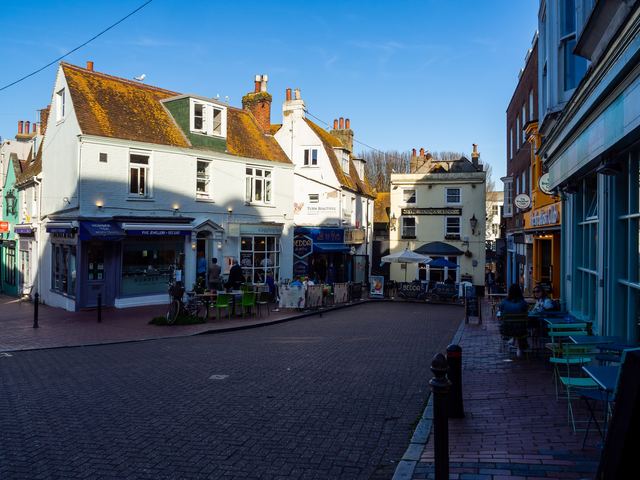 The back storyFish on the beach and Hove’s tasting menus: how Brighton eatsFish on the beach, open fires, a vegetarian tradition and Hove’s tasting menus: how the city eats.
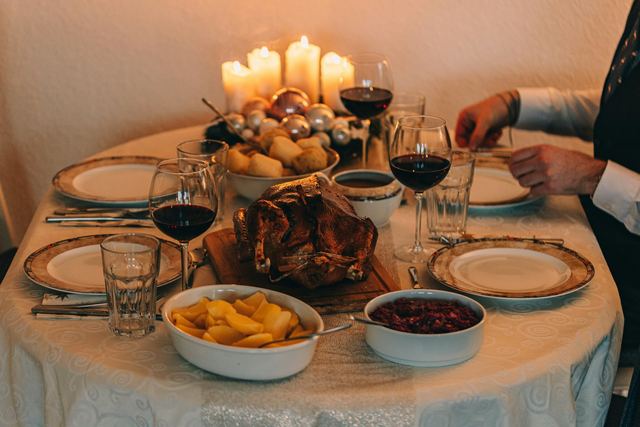 The back storyBrighton CuisineMeat-free pioneers, Channel fish, Brighton rock, Sussex cheese and sparkling wine from the Downs.
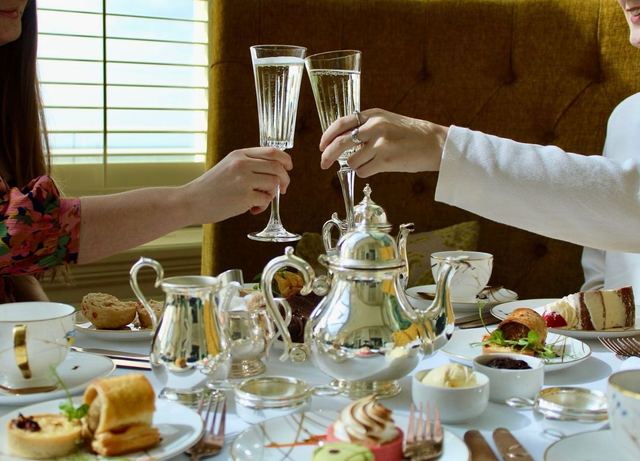 The back storyAfternoon tea in Brighton: scones, sea views and a funfair on a cake standA short history of afternoon tea, and where to take it in Brighton, from grand hotels to a castle.