ULTIMATE Life Coaching
Talk the Talk: three steps to better communication
Know your outcome, open your senses, be flexible: how to be understood at home and at work.
Jean from Shoreham was told she needed to communicate better, by her partner and by her boss. We share what a group of teenagers taught us, three steps to being understood, and practical tips for home and the office.
The letter
“Hi Georgina and Terrina. My partner complains that I am not good at communicating with him. At work I was told to improve how I communicate with my team. Help!” Jean, Shoreham
Our reply
Dear Jean,
We recently talked to a group of teenagers about to launch themselves into the world of work: young, enthusiastic faces, all about to qualify in their chosen fields and keen to begin their careers.
We asked them which personal skill they thought mattered most, the one that would be crucial to their success. Almost without exception they replied: “Communication.” We had to agree. But what exactly do we mean when we say someone has good communication skills?
Three steps to effective communication
Practitioners of NLP (neuro-linguistic programming) suggest three steps.
1. Know your outcome. Communication is always better when you know what you hope to achieve by the end of it. Before an important conversation, ask yourself: what do I want this person to know, feel or do afterwards? It helps if that outcome is positive, specific, and heading in the same direction as theirs.
2. Open your senses. The best way to know your message has been understood, and put across as you intended, is to read the unspoken language of the other person: their eye contact, their colour, their gestures and expressions, to name just a few. Are they nodding, or have they folded their arms? Be aware.
3. Be flexible. Always remember one principle: the meaning of your communication is the response you get. If the message hasn’t landed, it is up to you to try another way, not up to them to try harder.
Listen well, understand better, care more.
Before you open your mouth
Some of the most important communication skills are the ability to build rapport, a sense of empathy with others, and an awareness of our own body language. When our words say one thing and our tone or face says another, people tend to believe the tone and the face. So there is a lot to do before we even open our mouths.
Listening is half of it
Good communicators are, above all, good listeners. Give the other person your full attention: phone away, eyes up. Let them finish. Then check you have understood by saying it back in your own words: “So what you’re saying is…” It sounds simple, and it works wonders.
At home
With your partner, try speaking from your own experience rather than pointing the finger. “I feel left out when plans change without me” is heard very differently from “You never tell me anything.” And choose your moment: not when one of you has just walked through the door.
Set aside ten minutes a day, with no television and no phones, simply to talk about your days. Small, regular conversations prevent big, difficult ones.
At work
With your team, be clear and be consistent. Say what you need, by when and why it matters. Ask questions rather than giving orders, and invite people to tell you if something isn’t working. Praise in public and give feedback in private. A quick “thank you, that was really helpful” costs nothing and builds a great deal.
Then ask for feedback yourself. “Is there anything I could do to make things clearer?” takes courage, but your team will respect you for it.
In a nutshell
Know what you want from the conversation. Watch and listen as much as you talk. Be ready to change your approach. Do that, Jean, and both your partner and your team will notice the difference. Listen well, understand better, care more.
More in depth
 The back storyFish on the beach and Hove’s tasting menus: how Brighton eatsFish on the beach, open fires, a vegetarian tradition and Hove’s tasting menus: how the city eats.
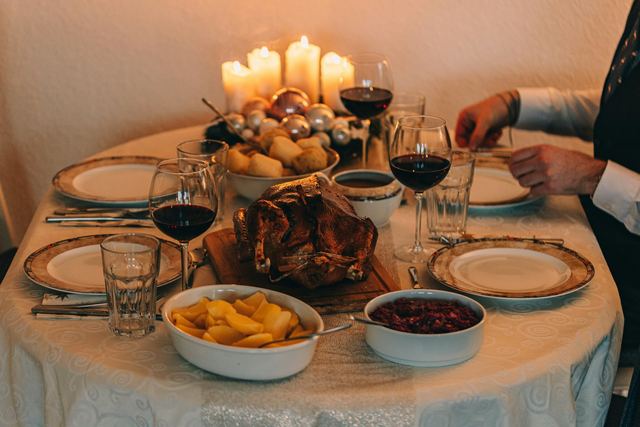 The back storyBrighton CuisineMeat-free pioneers, Channel fish, Brighton rock, Sussex cheese and sparkling wine from the Downs.
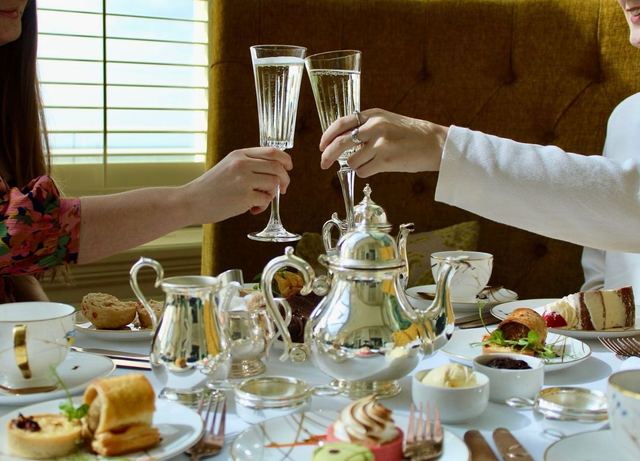 The back storyAfternoon tea in Brighton: scones, sea views and a funfair on a cake standA short history of afternoon tea, and where to take it in Brighton, from grand hotels to a castle.